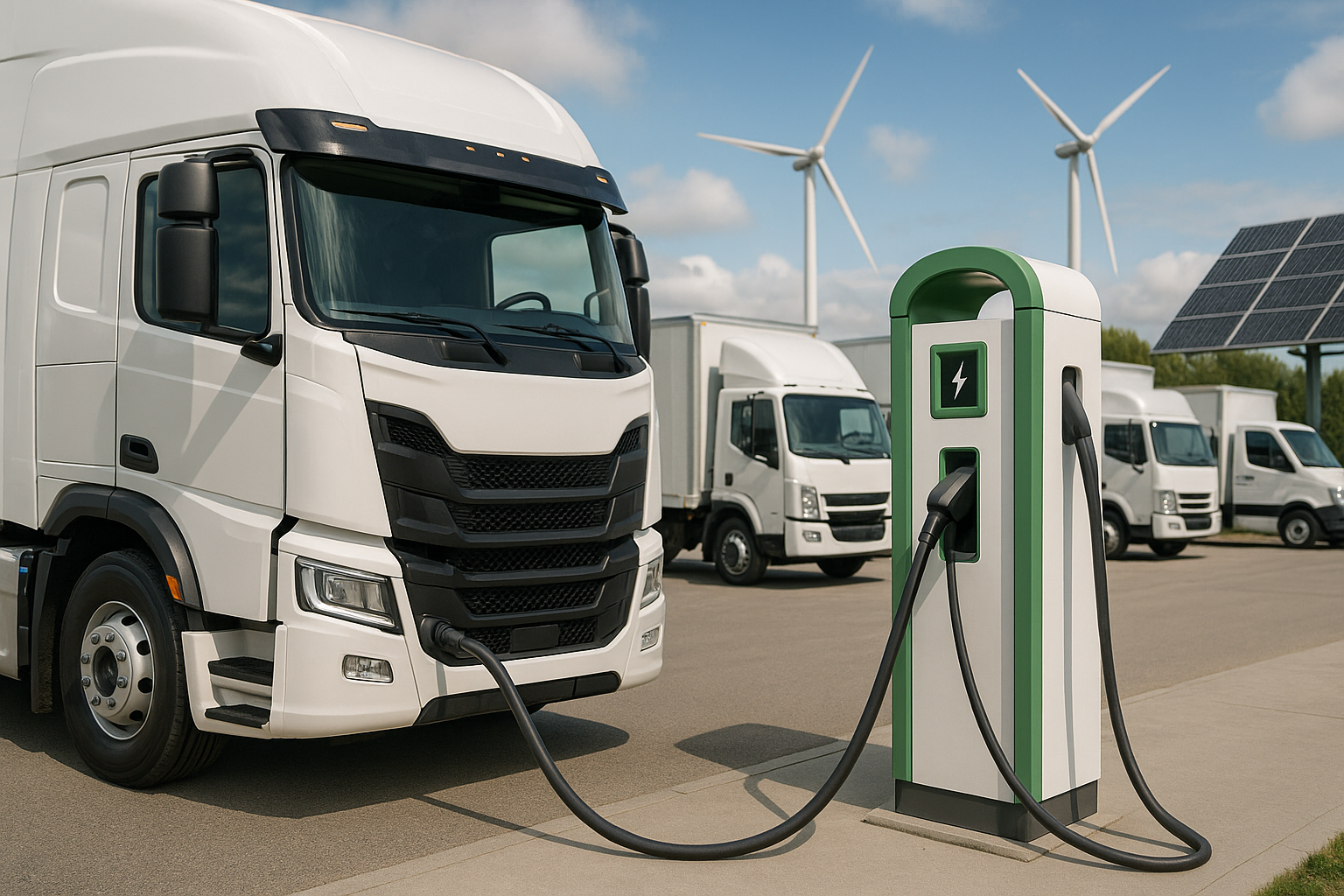
Modern supply chains face unprecedented complexity, yet artificial intelligence is transforming how businesses predict disruptions and optimize operations at scale.

🚀 The AI Revolution Reshaping Supply Chain Management
Supply chain management has evolved from simple logistics tracking to a sophisticated ecosystem where every decision impacts the bottom line. Traditional methods of managing inventory, forecasting demand, and mitigating risks are no longer sufficient in today’s volatile market environment. Artificial intelligence has emerged as the game-changing technology that enables businesses to navigate uncertainty with unprecedented accuracy and speed.
The integration of AI tools into supply chain operations represents more than just technological advancement—it’s a fundamental shift in how organizations approach risk management and efficiency optimization. Companies leveraging these intelligent systems are seeing dramatic improvements in prediction accuracy, cost reduction, and operational resilience.
📊 Understanding AI-Powered Risk Prediction
Risk prediction in supply chains has traditionally relied on historical data analysis and human expertise. While valuable, these approaches often fall short when dealing with the complexity and interconnectedness of modern supply networks. AI tools process vast amounts of data from multiple sources simultaneously, identifying patterns and correlations that human analysts might miss.
Machine learning algorithms continuously improve their predictive capabilities by learning from new data inputs. This self-improving characteristic makes AI particularly effective at anticipating disruptions before they occur. Whether it’s supplier insolvency, transportation delays, or demand fluctuations, AI systems can flag potential issues with remarkable accuracy.
Real-Time Data Processing for Proactive Decision-Making
One of AI’s most powerful capabilities is processing real-time data streams from diverse sources. Weather patterns, geopolitical events, social media sentiment, supplier performance metrics, and market trends all feed into sophisticated models that assess risk levels continuously. This real-time awareness enables supply chain managers to make proactive decisions rather than reactive ones.
The speed at which AI analyzes information is equally important as the volume it can process. Traditional risk assessment might take days or weeks; AI-powered systems deliver insights in minutes or even seconds. This temporal advantage can be the difference between averting a crisis and experiencing significant disruption.
🎯 Maximizing Efficiency Through Intelligent Automation
Efficiency gains represent another compelling reason to embrace AI in supply chain operations. Automation powered by artificial intelligence goes beyond simple repetitive task execution—it involves intelligent decision-making that adapts to changing circumstances without human intervention.
Inventory optimization exemplifies AI’s efficiency potential. Rather than maintaining excessive safety stock or risking stockouts, AI algorithms calculate optimal inventory levels based on demand predictions, lead times, and cost considerations. These systems continuously adjust recommendations as conditions change, ensuring resources are allocated efficiently.
Demand Forecasting with Unprecedented Accuracy
Accurate demand forecasting has always been the holy grail of supply chain management. AI tools have dramatically improved forecast accuracy by incorporating variables that traditional methods overlooked. Seasonal patterns, promotional activities, economic indicators, competitor actions, and even social media trends all contribute to more precise predictions.
Neural networks and deep learning models excel at identifying complex non-linear relationships in demand data. These advanced techniques can detect subtle patterns that indicate emerging trends, allowing businesses to position inventory strategically before demand materializes. The result is reduced waste, improved customer satisfaction, and better capital utilization.
🔗 Building Resilient Supply Networks
Supply chain resilience has become a strategic priority following recent global disruptions. AI contributes to resilience by providing visibility across multi-tier supplier networks, identifying vulnerabilities, and suggesting alternative sourcing strategies. This comprehensive view enables organizations to build redundancy where it matters most.
Scenario planning powered by AI allows companies to test various disruption scenarios virtually. What happens if a key supplier fails? How would a port closure impact deliveries? What if demand suddenly spikes in a specific region? AI simulations answer these questions, helping organizations develop contingency plans before crises occur.
Supplier Risk Assessment and Management
Managing supplier risk extends beyond financial health monitoring. AI tools assess suppliers across multiple dimensions including operational stability, compliance history, geographic risk exposure, and performance trends. This holistic evaluation helps procurement teams make informed decisions about supplier selection and relationship management.
Predictive analytics can identify suppliers likely to experience difficulties before problems become critical. Early warning signals enable proactive engagement with at-risk suppliers or transition to alternatives with minimal disruption. This capability is particularly valuable when managing global supplier networks with hundreds or thousands of partners.
💡 Practical AI Applications in Supply Chain Operations
Understanding AI’s theoretical benefits is important, but practical applications demonstrate its true value. Several specific use cases showcase how organizations are deploying AI tools to transform their supply chain operations.
Route Optimization and Transportation Management
Transportation costs represent a significant portion of supply chain expenses. AI-powered route optimization considers multiple variables—distance, traffic patterns, fuel costs, delivery windows, vehicle capacity, and driver schedules—to determine the most efficient routing. These systems adapt dynamically to real-time conditions, rerouting vehicles around accidents or congestion.
The environmental benefits of AI-optimized transportation are substantial. Reduced fuel consumption lowers both costs and carbon emissions, supporting sustainability goals while improving profitability. Companies implementing these systems report fuel savings of fifteen to twenty-five percent alongside improved on-time delivery performance.
Warehouse Automation and Smart Fulfillment
Modern warehouses increasingly resemble sophisticated technology hubs. AI coordinates robotic systems, manages pick paths, optimizes storage locations, and predicts equipment maintenance needs. This intelligent orchestration maximizes throughput while minimizing errors and labor costs.
Computer vision technology enables automated quality inspection and inventory counting. Items are scanned and verified without manual handling, reducing errors and accelerating processing speeds. These systems learn to identify defects or anomalies with accuracy that often surpasses human inspection.
📈 Measuring ROI from AI Implementation
Investment in AI technology requires justification through measurable returns. Organizations successfully implementing AI in supply chains typically track several key performance indicators to demonstrate value creation.
Cost reduction metrics include decreased inventory holding costs, reduced transportation expenses, lower labor requirements for routine tasks, and minimized losses from stockouts or obsolescence. These tangible savings often provide the most straightforward ROI calculation.
Performance improvements manifest in faster order fulfillment, improved forecast accuracy, reduced lead times, and enhanced customer satisfaction scores. While some benefits are harder to quantify financially, they contribute significantly to competitive advantage and long-term success.
Calculating Total Cost of Ownership
Understanding AI investment requires considering both implementation costs and ongoing expenses. Initial costs include software licensing, hardware infrastructure, data integration, and organizational change management. Ongoing expenses encompass system maintenance, continuous training, and periodic upgrades.
Despite these investments, most organizations achieve positive ROI within twelve to twenty-four months. The key is selecting AI solutions aligned with specific business challenges rather than pursuing technology for its own sake. Focused implementation addressing high-impact areas delivers faster returns than broad, unfocused deployments.
🛠️ Overcoming Implementation Challenges
While AI’s potential is substantial, implementation challenges exist. Recognizing and addressing these obstacles increases the likelihood of successful deployment and adoption.
Data quality represents perhaps the most common challenge. AI models are only as good as the data they consume. Incomplete, inconsistent, or inaccurate data produces unreliable predictions and recommendations. Organizations must invest in data governance and cleansing before expecting meaningful results from AI tools.
Building Internal Expertise and Change Management
Technical implementation is only part of the equation. Successfully integrating AI into supply chain operations requires developing internal expertise and managing organizational change. Employees need training to understand AI capabilities, interpret outputs, and integrate insights into decision-making processes.
Resistance to change is natural, especially when AI systems challenge established practices or conventional wisdom. Clear communication about AI’s role as a decision support tool—not a replacement for human judgment—helps ease concerns. Demonstrating quick wins builds confidence and momentum for broader adoption.
🌐 The Future Landscape of AI-Driven Supply Chains
AI technology continues evolving rapidly, and emerging capabilities promise even greater supply chain transformation. Understanding future trends helps organizations prepare for the next wave of innovation.
Autonomous supply chains represent an ambitious vision where AI systems make and execute most operational decisions with minimal human intervention. While fully autonomous operations remain years away, incremental progress toward this goal is already visible. Systems increasingly handle routine decisions, escalating only exceptions or unusual situations to human managers.
Integration of Internet of Things and AI
The proliferation of IoT sensors throughout supply chains generates unprecedented data volumes. Combining this sensor data with AI analytics creates powerful capabilities for monitoring asset conditions, tracking shipments, and ensuring product quality throughout the supply chain journey.
Predictive maintenance exemplifies IoT-AI synergy. Sensors monitor equipment performance while AI algorithms predict when maintenance is needed, preventing unexpected breakdowns. This capability applies to everything from manufacturing equipment to delivery vehicles to warehouse automation systems.
🎓 Getting Started with AI in Your Supply Chain
Organizations ready to embrace AI should approach implementation strategically. Rather than attempting comprehensive transformation immediately, a phased approach typically yields better results.
Begin by identifying specific pain points or opportunities where AI can deliver meaningful impact. Focus on areas where data is readily available and measurable outcomes can demonstrate value. Early successes build organizational support for expanding AI adoption into additional areas.
Selecting the right technology partners and solutions is crucial. Evaluate vendors based on their supply chain domain expertise, not just their AI capabilities. Solutions purpose-built for supply chain applications typically integrate more smoothly and deliver value faster than generic AI platforms.
Building a Data-Driven Culture
Long-term success with AI requires cultivating a data-driven organizational culture. This means making decisions based on analytical insights rather than intuition alone, measuring outcomes consistently, and continuously seeking improvement opportunities.
Investing in data infrastructure and governance ensures AI systems have access to high-quality information. Establishing clear data standards, ownership responsibilities, and quality control processes creates the foundation for reliable AI performance.
🔐 Addressing Security and Privacy Considerations
As supply chains become more digitized and AI-dependent, cybersecurity and data privacy concerns intensify. Organizations must implement robust security measures to protect sensitive supply chain data and AI systems from malicious attacks.
Supply chain data often includes competitively sensitive information about suppliers, costs, customers, and strategic plans. Ensuring this data remains secure while enabling AI analysis requires careful attention to access controls, encryption, and monitoring.
Privacy regulations like GDPR impose additional requirements when supply chain data includes personal information. AI systems must be designed and operated in compliance with applicable privacy laws, incorporating principles like data minimization and purpose limitation.

✨ Transforming Supply Chain Strategy Through AI Insights
Beyond operational improvements, AI is reshaping strategic supply chain thinking. The insights generated by AI tools enable executives to make more informed decisions about network design, sourcing strategies, and customer service approaches.
Strategic scenario planning becomes more rigorous when supported by AI-powered simulations. Organizations can evaluate potential outcomes of different strategic choices, considering thousands of variables and their interactions. This analytical rigor reduces strategic risk and increases confidence in major decisions.
Sustainability goals increasingly influence supply chain strategy. AI tools help organizations balance environmental objectives with cost and service requirements. Optimizing for carbon footprint alongside traditional metrics creates supply chains that are both economically and environmentally sustainable.
The transformation of supply chains through artificial intelligence is not a future possibility—it’s happening now. Organizations across industries are deploying AI tools to predict risks, optimize operations, and build more resilient supply networks. The competitive advantages gained by early adopters are substantial and growing.
Success requires more than simply purchasing AI software. It demands strategic thinking about where AI can deliver the greatest value, commitment to data quality and governance, investment in organizational capabilities, and willingness to adapt processes and culture. Organizations approaching AI implementation thoughtfully and strategically position themselves to thrive in an increasingly complex and uncertain business environment.
The journey toward AI-powered supply chain excellence is ongoing, with new capabilities and applications emerging regularly. Staying informed about developments, continuously learning from implementation experiences, and maintaining flexibility to adopt new approaches ensures organizations maximize the value from their AI investments over time.