The modern economy faces an urgent challenge: transforming waste into opportunity through innovative reverse logistics and recycling models that prioritize environmental sustainability and economic viability.

🌍 Understanding the Reverse Logistics Revolution
Reverse logistics represents a fundamental shift in how businesses approach product lifecycles. Unlike traditional supply chains that move products from manufacturers to consumers, reverse logistics manages the flow of goods in the opposite direction—from end-users back through the supply chain for recycling, refurbishment, or proper disposal.
This emerging field has evolved from a mere afterthought into a strategic imperative. Companies worldwide are recognizing that sustainable practices aren’t just environmentally responsible—they’re economically advantageous. The global reverse logistics market is projected to reach unprecedented heights, driven by regulatory pressures, consumer awareness, and technological innovation.
The concept encompasses multiple processes including product returns, repairs, refurbishment, remanufacturing, and recycling. Each component plays a critical role in closing the loop of product lifecycles, minimizing waste, and maximizing resource utilization. Organizations implementing robust reverse logistics systems are discovering hidden value in materials previously considered waste.
The Environmental Imperative Behind Product Recycling
Our planet generates approximately 2.01 billion tonnes of municipal solid waste annually, with this figure expected to grow dramatically. Traditional linear economic models—where products are made, used, and discarded—are unsustainable. The extraction of raw materials depletes natural resources, manufacturing processes emit greenhouse gases, and landfills overflow with discarded products.
Product recycling addresses these challenges by reintroducing materials into production cycles. When executed effectively, recycling reduces the need for virgin materials, lowers energy consumption, decreases pollution, and minimizes landfill dependency. The environmental benefits extend beyond waste reduction to encompass carbon footprint reduction and ecosystem preservation.
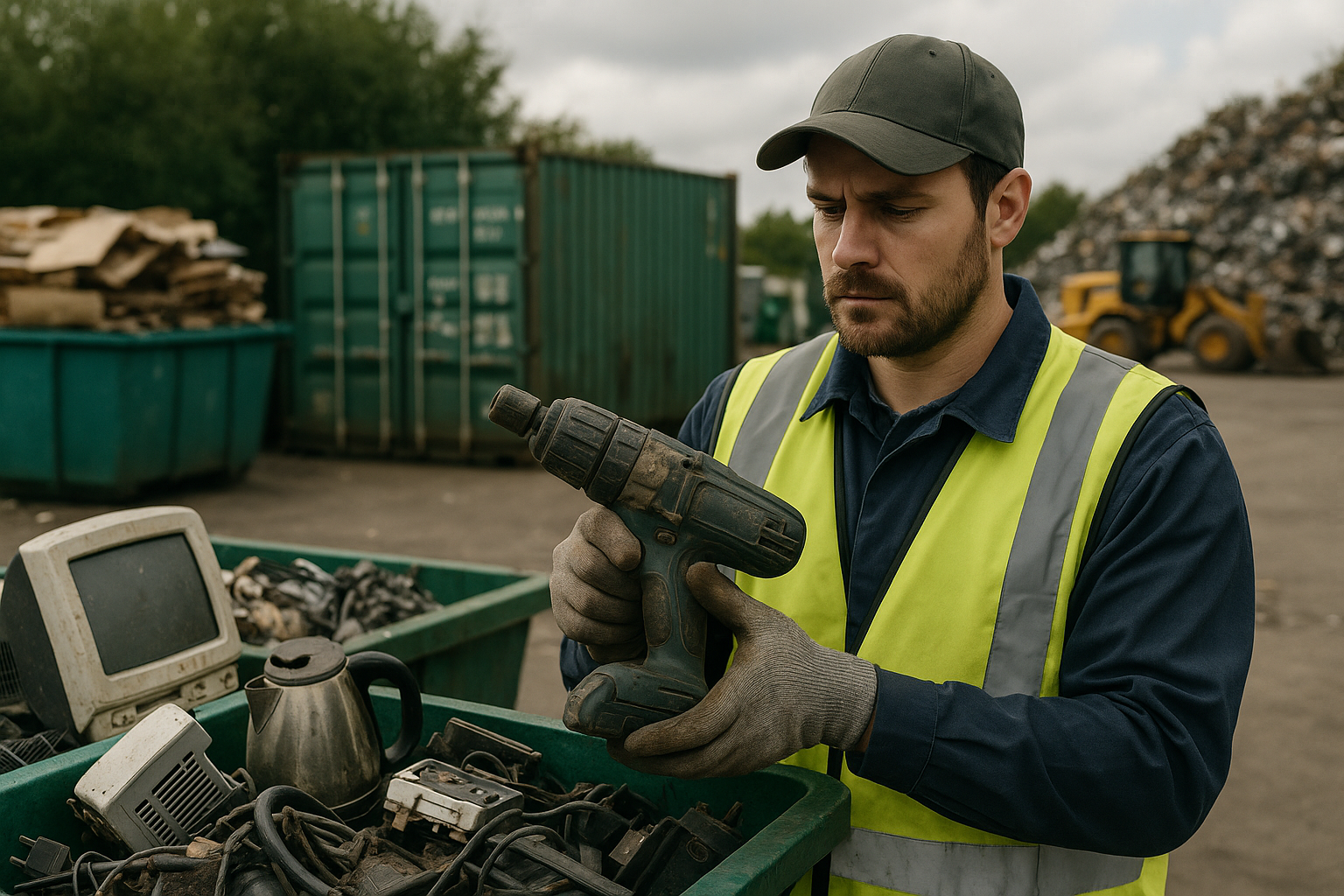
Consider electronics recycling as an example. A single smartphone contains precious metals like gold, silver, and palladium, alongside hazardous materials including lead and mercury. Without proper recycling infrastructure, these devices release toxins into soil and water while valuable resources remain trapped in landfills. Reverse logistics systems capture these devices, extract valuable materials, and ensure proper disposal of hazardous components.
The Carbon Reduction Potential ♻️
Recycling and reverse logistics contribute significantly to carbon emission reduction. Manufacturing products from recycled materials typically requires substantially less energy than producing them from virgin resources. Aluminum recycling, for instance, uses 95% less energy than primary production. Steel recycling saves approximately 60% of production energy, while paper recycling reduces energy consumption by 40%.
These energy savings translate directly into reduced greenhouse gas emissions. Every ton of recycled plastic saves approximately 1.5 tons of carbon dioxide emissions. Scaled globally, effective reverse logistics and recycling systems could eliminate billions of tons of CO2 annually, making them crucial tools in combating climate change.
Innovative Reverse Logistics Models Reshaping Industries
Organizations are developing diverse reverse logistics models tailored to their specific products, markets, and sustainability goals. These models vary in complexity, scope, and implementation strategy, but share common objectives of resource recovery and environmental protection.
The Take-Back Program Model
Take-back programs establish systems where manufacturers accept used products directly from consumers. This model creates direct channels between end-users and producers, facilitating efficient collection and processing. Technology companies have pioneered this approach, offering trade-in programs that provide consumers with credit toward new purchases while ensuring old devices are responsibly recycled or refurbished.
Apparel brands are increasingly adopting take-back programs, accepting worn clothing regardless of brand or condition. These garments are sorted for resale, donation, recycling into new fibers, or conversion into other products like insulation materials. This circular approach extends product lifecycles and reduces textile waste, which represents a growing environmental concern.
Deposit-Refund Systems 💰
Deposit-refund systems incentivize returns by attaching financial value to used products or packaging. Consumers pay a small deposit at purchase, which is refunded upon return. This model has proven highly effective for beverage containers, achieving return rates exceeding 90% in some regions.
The beauty of deposit-refund systems lies in their simplicity and effectiveness. By creating direct financial incentives, they overcome consumer apathy and logistical barriers that often hinder recycling efforts. Countries implementing bottle bills have dramatically reduced container litter and increased recycling rates compared to regions relying solely on voluntary recycling.
Third-Party Reverse Logistics Providers
Specialized companies focusing exclusively on reverse logistics have emerged, offering expertise and infrastructure that individual manufacturers might lack. These providers handle collection, sorting, processing, and redistribution of returned products, allowing manufacturers to benefit from reverse logistics without building proprietary systems.
Third-party providers achieve economies of scale by serving multiple clients across industries. They invest in specialized equipment, develop expertise in material processing, and establish extensive collection networks. This specialization often delivers superior environmental and economic outcomes compared to individual company efforts.
Technology Driving Recycling Innovation
Technological advancement is revolutionizing reverse logistics and recycling capabilities. Innovations in sorting, processing, tracking, and material science are making recycling more efficient, economical, and comprehensive.
Artificial Intelligence and Machine Learning 🤖
AI-powered sorting systems are transforming recycling facilities. Advanced optical sensors combined with machine learning algorithms can identify and separate materials with unprecedented speed and accuracy. These systems recognize different plastic types, sort mixed materials, and remove contaminants that would compromise recycling quality.
Machine learning continuously improves sorting accuracy by analyzing vast datasets of material characteristics. As these systems process more waste, they become increasingly effective at distinguishing between similar materials and adapting to new product designs and materials entering the waste stream.
Blockchain for Supply Chain Transparency
Blockchain technology provides unprecedented transparency in reverse logistics operations. By creating immutable records of product journeys, blockchain enables stakeholders to track items from production through use and eventual recycling. This transparency builds consumer trust, verifies environmental claims, and ensures compliance with recycling regulations.
Smart contracts automate aspects of reverse logistics, triggering payments when products are returned, verified, and processed. This automation reduces administrative costs and accelerates transaction times, making reverse logistics more efficient and appealing to all participants.
Internet of Things (IoT) Integration
IoT devices embedded in products provide real-time data about location, condition, and usage patterns. This information optimizes reverse logistics by identifying optimal collection times, predicting product returns, and determining whether items should be repaired, refurbished, or recycled.
Smart bins equipped with sensors monitor fill levels and contamination, optimizing collection routes and improving recycling quality. This data-driven approach reduces transportation costs and emissions while increasing the efficiency of the entire reverse logistics network.
Economic Benefits Beyond Environmental Gains
While environmental benefits drive much reverse logistics adoption, economic advantages are equally compelling. Companies implementing effective reverse logistics strategies discover multiple revenue streams and cost savings that strengthen their competitive positions.
Resource Recovery and Material Savings
Recovering materials through reverse logistics reduces raw material costs. As virgin resource prices fluctuate and increase, recycled materials provide price stability and supply security. Companies with robust recycling programs insulate themselves from commodity market volatility while reducing procurement costs.
High-value materials like rare earth elements, precious metals, and specialty plastics are increasingly recovered from end-of-life products. These recovered materials often match or exceed virgin material quality while costing significantly less to obtain and process.
New Revenue Opportunities 💼
Reverse logistics creates novel revenue streams. Refurbished products appeal to price-conscious consumers while generating margins comparable to new products. Component harvesting from returned products supplies spare parts for repairs, reducing inventory costs and supporting longer product lifecycles.
Some companies have transformed reverse logistics from cost centers into profit centers. By developing expertise in product refurbishment and remarketing, they’ve created entirely new business lines that generate substantial revenues while advancing sustainability objectives.
Brand Value and Customer Loyalty
Consumers increasingly favor environmentally responsible brands. Companies with visible, effective recycling and take-back programs enhance brand reputation and customer loyalty. Sustainability-conscious consumers—a rapidly growing demographic—actively seek brands aligned with their values, creating competitive advantages for forward-thinking companies.
Transparent communication about reverse logistics efforts strengthens customer relationships. When consumers understand how their returns contribute to environmental protection, they develop stronger emotional connections to brands and become advocates who influence others’ purchasing decisions.
Overcoming Implementation Challenges
Despite compelling benefits, reverse logistics implementation presents significant challenges. Understanding and addressing these obstacles is essential for successful program development.
Infrastructure and Investment Requirements
Establishing reverse logistics infrastructure requires substantial upfront investment. Collection networks, processing facilities, sorting equipment, and transportation systems demand capital that many organizations struggle to allocate. The long-term benefits, while significant, may not justify initial costs in traditional financial analyses.
Collaboration offers solutions to infrastructure challenges. Industry partnerships, public-private ventures, and shared facility arrangements distribute costs while building comprehensive networks. Government incentives, tax benefits, and grants can offset initial investments, accelerating adoption.
Consumer Participation and Education 📚
Reverse logistics success depends on consumer participation. Without engagement, even sophisticated systems fail to capture products for recycling. Many consumers lack awareness of available programs or find participation inconvenient.
Education campaigns highlighting environmental impacts and personal benefits increase participation rates. Simplified return processes—including prepaid shipping labels, convenient drop-off locations, and pickup services—reduce friction and encourage engagement. Incentives like discounts on future purchases or charitable donations further motivate participation.
Regulatory Complexity and Compliance
Reverse logistics operates within complex regulatory environments that vary by region, product type, and material. Extended Producer Responsibility (EPR) legislation increasingly holds manufacturers accountable for end-of-life product management, creating compliance obligations that require sophisticated reverse logistics capabilities.
Navigating this regulatory landscape demands expertise and flexibility. Companies operating internationally must adapt to diverse requirements while maintaining efficient operations. Proactive engagement with regulators and industry associations helps organizations anticipate regulatory changes and influence policy development.
🌱 The Circular Economy Vision
Reverse logistics and product recycling are foundational elements of the circular economy—an economic system designed to eliminate waste and continuously circulate resources. Unlike the linear “take-make-dispose” model, circular economies design out waste, keep products and materials in use, and regenerate natural systems.
This vision extends beyond recycling to encompass product design, business model innovation, and systemic transformation. Products designed for disassembly, repair, and material recovery enable more effective reverse logistics. Business models based on leasing, sharing, and product-as-a-service maintain manufacturer ownership and responsibility throughout product lifecycles.
Achieving circular economy goals requires collaboration across value chains. Designers must consider end-of-life scenarios, manufacturers must build recovery capabilities, retailers must facilitate returns, and consumers must actively participate. This systemic approach transforms entire industries, creating sustainable economic models that benefit business, society, and the environment.
Industry-Specific Applications and Success Stories
Different industries face unique reverse logistics challenges and opportunities. Examining sector-specific applications reveals practical strategies and demonstrates achievable outcomes.
Electronics and Technology Sector
The electronics industry confronts rapid obsolescence, complex material compositions, and hazardous component disposal. Leading technology companies have developed comprehensive take-back programs, offering trade-ins, mail-back options, and retail drop-off locations. Advanced recycling facilities extract precious metals, rare earth elements, and reusable components while ensuring proper handling of toxic materials.
Some manufacturers have achieved closed-loop recycling, using materials recovered from old products to manufacture new ones. This approach reduces mining dependency, lowers environmental impact, and enhances supply chain resilience.
Fashion and Textile Industry 👕
Fast fashion has created environmental crises, with millions of tons of textile waste generated annually. Progressive fashion brands are implementing take-back programs accepting used garments for resale, fiber recycling, or conversion into new products. Chemical recycling technologies can break down blended fabrics into base fibers, enabling true textile-to-textile recycling.
Rental and resale models are gaining popularity, extending garment lifecycles and reducing production demand. These circular business models challenge traditional fashion industry economics while addressing sustainability concerns.
Automotive Sector
Automotive reverse logistics has matured significantly, with established networks for vehicle dismantling, parts recovery, and material recycling. End-of-life vehicles are systematically disassembled, with reusable parts refurbished for aftermarket sales and materials like steel, aluminum, and copper recycled. Battery recycling for electric vehicles represents a growing focus area as EV adoption accelerates.
Future Trajectories and Emerging Trends
Reverse logistics and product recycling continue evolving rapidly. Several trends will shape future development and implementation.
Advanced Material Science Innovations 🔬
New materials designed specifically for recyclability are emerging. Biodegradable plastics, easily separable composite materials, and products designed for disassembly facilitate more effective reverse logistics. Material passports—digital records detailing product composition—enable precise sorting and processing, improving recycling quality and efficiency.
Policy Evolution and Extended Producer Responsibility
Governments worldwide are expanding EPR legislation, requiring manufacturers to finance and manage product end-of-life processes. These regulations create legal imperatives for reverse logistics investment while leveling competitive playing fields. Harmonization of international regulations would facilitate global reverse logistics networks and reduce compliance complexity.
Consumer Behavior Shifts
Growing environmental consciousness is fundamentally altering consumer behavior. Younger generations prioritize sustainability, influencing purchasing decisions and brand loyalty. This shift creates market advantages for companies with strong environmental credentials and reverse logistics capabilities, while pressuring laggards to adapt or lose market share.
Building a Greener Tomorrow Through Collective Action 🌿
The transformation toward sustainable product lifecycles requires coordinated action from all stakeholders. Manufacturers must design products with end-of-life considerations, invest in reverse logistics infrastructure, and embrace circular business models. Policymakers should create supportive regulatory frameworks that incentivize sustainable practices while ensuring compliance.
Consumers play crucial roles through conscious purchasing decisions, active participation in take-back programs, and advocacy for environmental responsibility. Technology providers must continue innovating, developing solutions that make reverse logistics more efficient, economical, and accessible.
The path toward comprehensive reverse logistics and effective product recycling is challenging but achievable. Economic incentives align increasingly with environmental imperatives, creating momentum for systemic change. Companies pioneering these approaches gain competitive advantages while contributing to planetary health.
Success requires persistence, investment, collaboration, and innovation. The organizations and societies that embrace reverse logistics and circular economy principles will lead the transition toward sustainable prosperity. Those that resist change risk obsolescence in an increasingly sustainability-focused global economy.
The revolution in sustainability through reverse logistics and product recycling isn’t merely aspirational—it’s actively unfolding. Every product returned, every material recovered, and every innovation implemented moves us closer to a greener, more sustainable future. The question isn’t whether this transformation will occur, but how quickly we can accelerate progress and how comprehensively we can implement solutions. The future of our planet depends on the actions we take today to revolutionize how we produce, consume, and recover resources.