Supply chains are undergoing a transformative shift toward sustainability, driven by environmental concerns, consumer demands, and the urgent need to reduce ecological footprints across global operations.

🌍 The Dawn of Sustainable Sourcing in Modern Commerce
The traditional linear economy model of “take, make, dispose” has reached its breaking point. Businesses worldwide are recognizing that long-term profitability cannot exist without environmental stewardship. Sustainable sourcing represents more than a trend—it’s a fundamental reimagining of how companies acquire materials, manufacture products, and deliver value to consumers while minimizing environmental impact.
This revolution in supply chain management encompasses everything from raw material extraction to final product delivery. Companies are scrutinizing every link in their supply chains, asking critical questions about carbon emissions, water usage, labor practices, and waste generation. The results are transforming industries from fashion to technology, food to construction.
Understanding the Core Principles of Low-Impact Design
Low-impact design begins at the conceptual stage of product development. It requires designers and engineers to consider the entire lifecycle of a product before it even exists. This cradle-to-cradle approach evaluates material selection, manufacturing processes, transportation methods, product longevity, and end-of-life disposal or recycling options.
The principles of low-impact design include material efficiency, energy conservation, waste minimization, and toxicity reduction. Products designed with these principles use fewer resources, generate less pollution during production, and create minimal waste when their useful life ends. This holistic approach challenges the conventional wisdom that sustainability compromises quality or performance.
Material Selection: The Foundation of Sustainable Products
Choosing the right materials represents the most critical decision in sustainable sourcing. Renewable materials like bamboo, hemp, and responsibly harvested timber offer alternatives to resource-intensive options. Recycled materials reduce demand for virgin resources while addressing waste management challenges. Biodegradable and compostable materials ensure products don’t persist in landfills for centuries.
Innovation in material science is accelerating these options. Mycelium-based packaging, algae-derived plastics, and lab-grown leather demonstrate how technology can create sustainable alternatives without sacrificing functionality. These materials often perform as well as or better than their conventional counterparts while dramatically reducing environmental impact.
⚙️ Transforming Manufacturing Processes for Sustainability
Manufacturing represents a significant portion of supply chain environmental impact. Sustainable practices in this sector focus on energy efficiency, waste reduction, water conservation, and pollution prevention. Modern factories are adopting renewable energy sources, implementing closed-loop water systems, and redesigning processes to eliminate hazardous chemicals.
Additive manufacturing, commonly known as 3D printing, exemplifies how technology enables low-impact production. This process creates products layer by layer, using only the material needed for the final item. Traditional subtractive manufacturing, which cuts away material from larger blocks, generates substantial waste. Additive manufacturing virtually eliminates this waste while enabling on-demand production that reduces inventory requirements and transportation needs.
Energy Efficiency: Powering Production Responsibly
Energy consumption in manufacturing contributes significantly to carbon emissions. Companies are addressing this through multiple strategies: transitioning to renewable energy sources like solar and wind power, upgrading to energy-efficient equipment, optimizing production schedules to minimize energy use, and implementing smart building technologies that reduce heating, cooling, and lighting demands.
Some manufacturers are achieving carbon neutrality by generating their own renewable energy and purchasing carbon offsets for remaining emissions. Others are going further, becoming carbon negative by capturing more carbon than they emit through reforestation projects and carbon capture technologies.
Building Transparent and Ethical Supply Networks
Sustainable sourcing demands transparency throughout the supply chain. Companies can no longer claim ignorance about conditions at distant suppliers. Blockchain technology, IoT sensors, and digital tracking systems now enable unprecedented visibility into every stage of production and distribution.
This transparency extends beyond environmental metrics to encompass social responsibility. Fair labor practices, safe working conditions, living wages, and community development have become integral components of sustainable sourcing. Consumers increasingly demand assurance that products aren’t produced through exploitation or environmental destruction.
Supplier Partnerships: Collaboration for Sustainability
Leading companies recognize they cannot achieve sustainability goals alone. They’re developing long-term partnerships with suppliers who share their environmental and social values. These relationships involve collaborative problem-solving, shared investment in sustainable technologies, and mutual accountability for outcomes.
Supplier development programs help smaller vendors adopt sustainable practices by providing technical assistance, financial support, and access to best practices. This collaborative approach creates more resilient supply chains while spreading sustainability benefits throughout entire industries.
🚛 Reimagining Logistics and Transportation
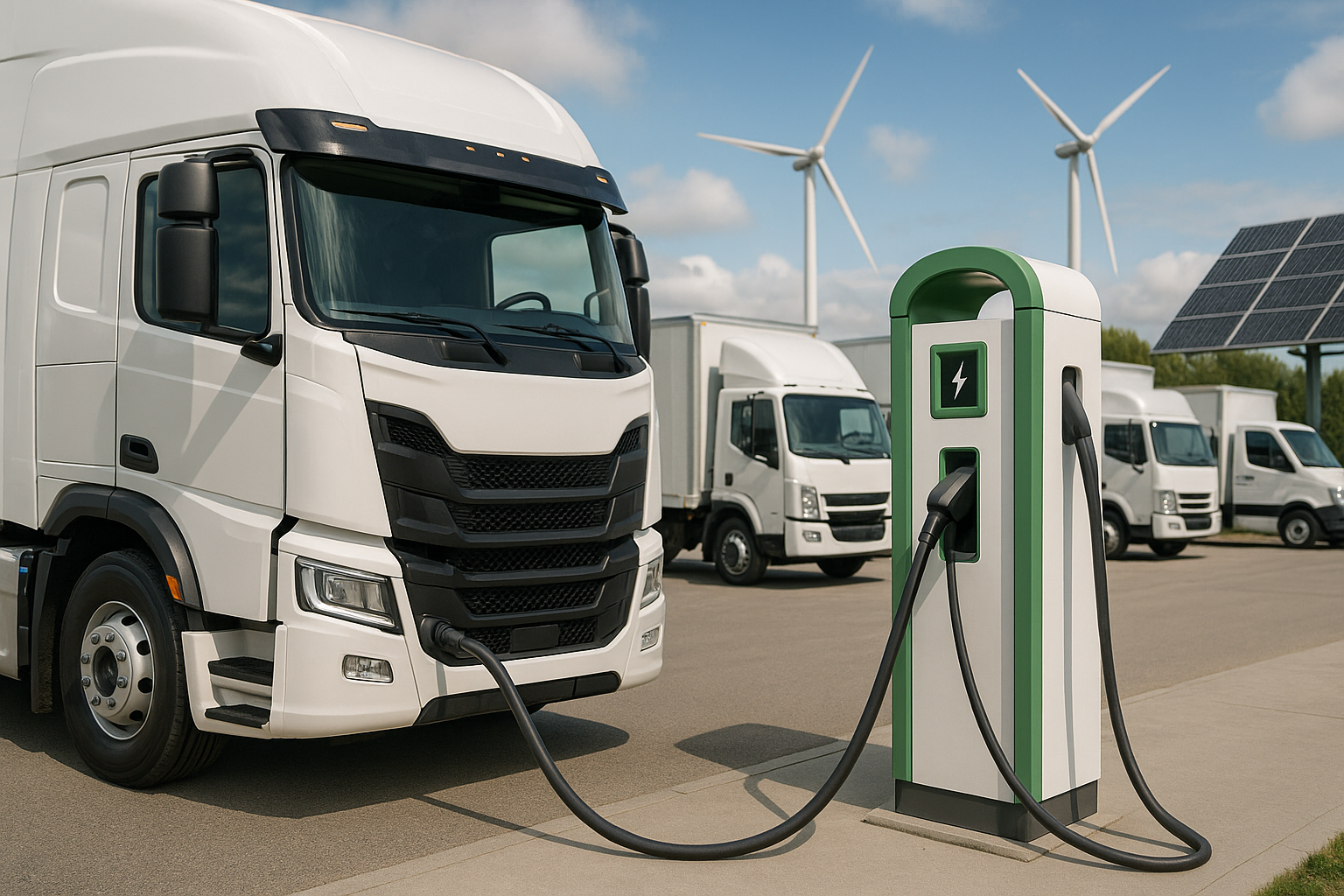
Transportation accounts for a substantial portion of supply chain carbon emissions. Sustainable logistics strategies include optimizing delivery routes to minimize distance traveled, consolidating shipments to reduce trips, transitioning to electric and hybrid vehicles, utilizing rail and sea transport over air freight when time permits, and developing regional distribution networks to shorten delivery distances.
Technology plays a crucial role in these optimizations. Advanced algorithms analyze countless variables to identify the most efficient routes and shipping methods. Real-time tracking enables dynamic adjustments based on traffic, weather, and other factors. These innovations reduce both environmental impact and operational costs.
Last-Mile Delivery: The Final Frontier
The last mile of delivery presents unique sustainability challenges due to dispersed destinations and small shipment sizes. Solutions include electric delivery vehicles, bicycle couriers in urban areas, package lockers that consolidate deliveries, and route optimization software that minimizes travel distance.
Some companies are experimenting with drone deliveries and autonomous vehicles, though these technologies face regulatory and practical hurdles. Meanwhile, encouraging customers to choose slower shipping options or pickup locations can significantly reduce last-mile environmental impact.
Circular Economy: Closing the Loop
The circular economy model represents the ultimate evolution of sustainable sourcing. Instead of products reaching end-of-life and becoming waste, they return to the production cycle as raw materials for new products. This closed-loop system dramatically reduces resource extraction, waste generation, and environmental degradation.
Implementing circular economy principles requires designing products for disassembly, using materials that can be easily separated and recycled, establishing take-back programs that retrieve products from consumers, developing remanufacturing capabilities that restore products to like-new condition, and creating markets for recycled materials.
Product-as-a-Service: Rethinking Ownership
Some companies are pioneering product-as-a-service models where customers pay for access rather than ownership. This shift incentivizes manufacturers to create durable, repairable products since they retain responsibility for maintenance and eventual disposal. Examples include clothing rental services, tool libraries, and industrial equipment leasing.
These models reduce overall consumption by maximizing product utilization. A single item serves multiple users over its lifetime rather than sitting unused in individual ownership. This approach particularly suits products with intermittent use patterns.
📊 Measuring Impact: Metrics That Matter
Effective sustainable sourcing requires robust measurement systems. Companies track various metrics including carbon footprint across the entire supply chain, water consumption and pollution, waste generation and diversion rates, percentage of renewable energy used, supplier sustainability scores, and product lifecycle environmental impact.
Life Cycle Assessment (LCA) provides comprehensive evaluation of environmental impacts from raw material extraction through production, use, and disposal. This methodology reveals hidden impacts and identifies opportunities for improvement that might otherwise go unnoticed.
Standardization and Certification
Third-party certifications provide credible verification of sustainability claims. Programs like Fair Trade, Rainforest Alliance, FSC (Forest Stewardship Council), and B Corporation certification set rigorous standards and conduct independent audits. These certifications help consumers make informed choices and create market incentives for sustainable practices.
Industry-specific standards are emerging as sectors develop tailored approaches to sustainability. These frameworks provide clarity about expectations and enable meaningful comparison between companies and products.
🔬 Innovation Driving Sustainable Solutions
Technological innovation continues accelerating sustainable sourcing capabilities. Artificial intelligence optimizes complex supply chain decisions considering environmental factors. Biotechnology creates new materials from renewable resources. Nanotechnology enables products that perform better while using fewer materials.
Digital twins—virtual replicas of physical supply chains—allow companies to model and test sustainability improvements before implementation. This capability reduces risk and accelerates adoption of innovative practices. Internet of Things sensors provide real-time data on energy use, material flows, and environmental conditions throughout supply networks.
Collaborative Platforms and Open Innovation
Sustainability challenges often exceed individual company capabilities. Collaborative platforms enable competitors to work together on pre-competitive sustainability issues. Open innovation approaches invite external stakeholders to contribute ideas and solutions.
Industry consortiums pool resources to develop shared infrastructure like recycling facilities, renewable energy installations, and sustainable material supplies. This collaboration achieves economies of scale impossible for individual companies while spreading benefits broadly.
Consumer Engagement: Driving Demand for Sustainability
Consumer awareness and demand for sustainable products continues growing. Millennials and Generation Z particularly prioritize environmental and social responsibility in purchasing decisions. Companies responding to this demand gain competitive advantages through enhanced brand reputation, customer loyalty, and market differentiation.
Effective communication about sustainability efforts requires authenticity and transparency. Greenwashing—making misleading environmental claims—damages credibility and invites regulatory scrutiny. Companies must substantiate claims with verifiable data and acknowledge ongoing challenges alongside achievements.
Empowering Informed Choices
Product labeling and transparency tools help consumers understand environmental impacts. QR codes on packaging can link to detailed sustainability information. Apps enable shoppers to scan products and receive instant sustainability ratings. This transparency drives accountability and rewards truly sustainable practices.
Educational initiatives help consumers understand how their choices impact sustainability. When people recognize connections between purchasing decisions and environmental outcomes, they make more conscious choices. This awareness creates market pressure for continued improvement.
💼 The Business Case for Sustainable Sourcing
Sustainable sourcing delivers compelling business benefits beyond environmental responsibility. Resource efficiency reduces costs by minimizing waste and energy consumption. Risk management improves through diversified supply sources and enhanced resilience. Innovation capacity increases as sustainability challenges inspire creative solutions.
Brand value appreciates as consumers reward responsible companies. Employee recruitment and retention benefit from purpose-driven missions. Investor interest grows as ESG (Environmental, Social, Governance) factors increasingly influence capital allocation decisions. Regulatory compliance becomes easier as companies proactively exceed emerging standards.
Financial Performance and Sustainability
Research consistently demonstrates that sustainability and profitability align rather than conflict. Companies with strong sustainability practices typically outperform peers financially. This correlation results from operational efficiencies, enhanced reputation, superior risk management, and access to growing markets for sustainable products.
Initial investments in sustainable practices often generate significant returns through reduced resource costs, increased productivity, and premium pricing opportunities. Long-term value creation increasingly depends on sustainable business models as environmental constraints tighten and stakeholder expectations evolve.
🌱 Overcoming Implementation Challenges
Despite compelling benefits, companies face obstacles implementing sustainable sourcing. Initial costs can be substantial, particularly for small businesses with limited capital. Supply chain complexity makes comprehensive oversight difficult. Limited availability of sustainable materials constrains options. Measurement challenges complicate impact assessment.
Overcoming these barriers requires phased approaches that prioritize high-impact opportunities, collaborative efforts that share costs and knowledge, technology adoption that enhances visibility and efficiency, and policy support that levels playing fields and incentivizes sustainability.
Scaling Sustainable Practices
Successful pilot programs must scale across entire organizations and supply networks. This scaling requires standardized processes, adequate resources, leadership commitment, and cultural change. Companies that embed sustainability into core operations rather than treating it as a separate initiative achieve more comprehensive and lasting results.
Knowledge sharing accelerates scaling by helping companies learn from peers’ successes and failures. Industry associations, sustainability consortiums, and academic partnerships facilitate this exchange, preventing unnecessary duplication of effort.

The Road Ahead: Future of Sustainable Supply Chains
Sustainable sourcing will continue evolving as technologies advance, regulations tighten, and stakeholder expectations increase. Artificial intelligence will enable unprecedented supply chain optimization. Biotechnology will create entirely new categories of sustainable materials. Circular economy principles will become standard practice rather than innovative exceptions.
Climate change will intensify pressure for rapid decarbonization across supply chains. Companies that lead this transition will thrive while laggards face existential threats. The next decade will determine whether global supply chains transform quickly enough to address mounting environmental challenges.
Success requires commitment from business leaders, policymakers, investors, and consumers. Sustainable sourcing cannot remain the province of sustainability departments—it must become integral to strategic planning, operations, and culture. The revolution in supply chains with low-impact design and practices isn’t optional; it’s imperative for long-term prosperity and planetary health.
Organizations embracing this transformation position themselves for competitive advantage in an increasingly resource-constrained world. Those combining environmental responsibility with operational excellence will define the future of commerce, proving that profit and planet can not only coexist but mutually reinforce. The sustainable sourcing revolution is underway—the question is not whether to participate, but how quickly and comprehensively to engage.