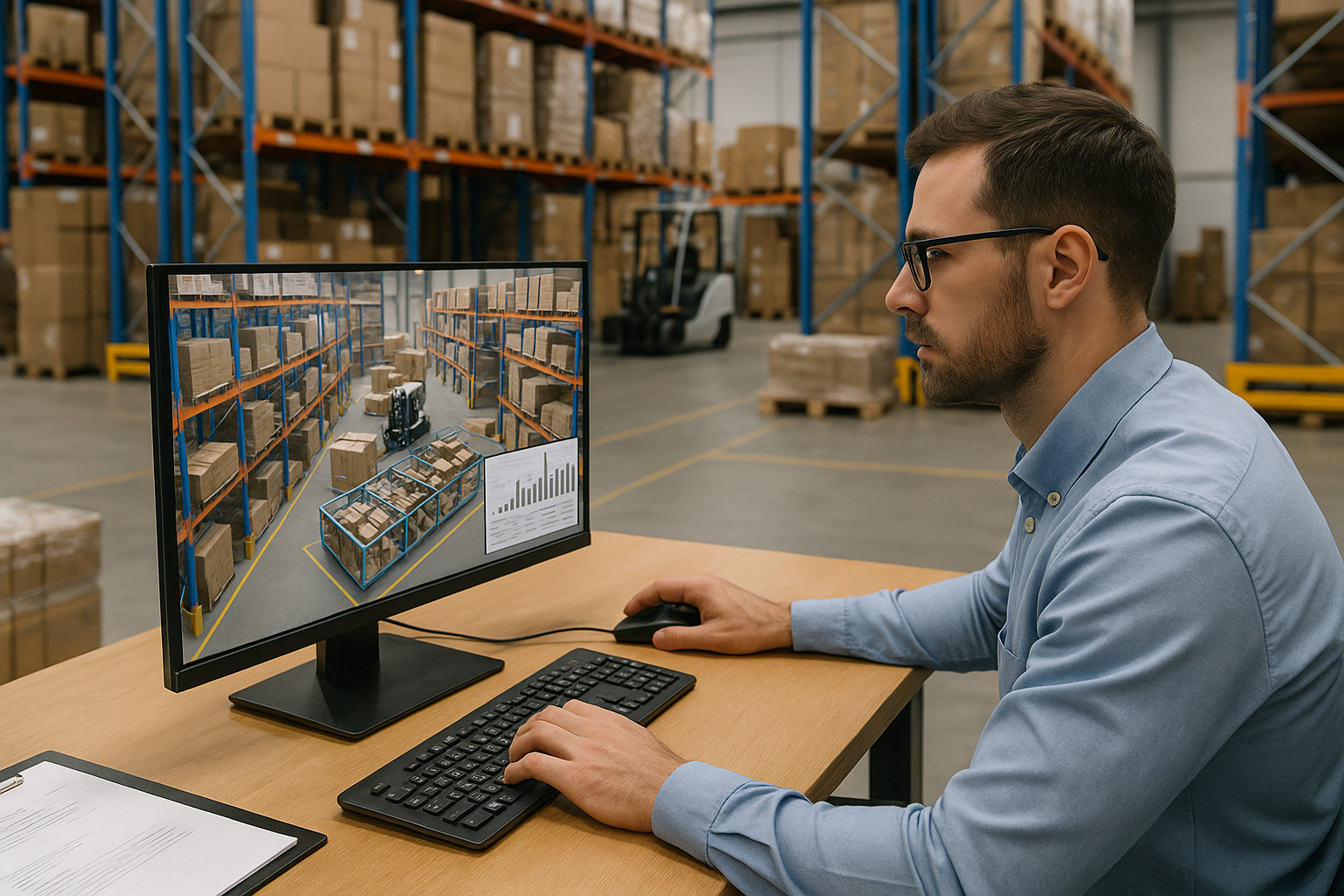
Digital twins are revolutionizing warehouse operations by creating virtual replicas that enable businesses to simulate, analyze, and optimize their logistics processes before implementing changes in the real world.

🚀 The Digital Revolution in Warehouse Management
The warehouse industry stands at a transformative crossroads. Traditional methods of trial-and-error in optimizing storage layouts, picking routes, and inventory management are increasingly being replaced by sophisticated digital twin technology. This cutting-edge approach allows warehouse managers to test countless scenarios in a virtual environment, saving both time and money while minimizing operational disruptions.
Digital twins represent more than just a three-dimensional model of your facility. They are dynamic, data-driven replicas that mirror real-time operations, incorporating everything from equipment performance to worker movements, inventory levels, and material flow patterns. This technology has emerged as a game-changer for businesses seeking competitive advantages in an increasingly demanding logistics landscape.
Understanding the Core Concept of Digital Twins
A digital twin in warehouse simulation is a virtual representation that captures the physical attributes, processes, and behaviors of your actual warehouse operations. Unlike static computer-aided design models, digital twins are living entities that continuously update based on real-world data inputs from sensors, Internet of Things devices, warehouse management systems, and enterprise resource planning platforms.
The technology creates a bidirectional flow of information. Physical warehouse activities generate data that feeds the digital model, while insights derived from the virtual environment inform decision-making in the physical space. This symbiotic relationship enables unprecedented levels of visibility and control over warehouse operations.
Key Components of Warehouse Digital Twins
Successful warehouse digital twins integrate multiple technological layers working in harmony. The foundation consists of accurate spatial mapping and three-dimensional modeling of the facility infrastructure. Above this sits the operational layer, which incorporates material handling equipment, storage systems, conveyor networks, and automated guided vehicles.
The data layer represents the nervous system of the digital twin, collecting information from RFID scanners, barcode readers, weight sensors, temperature monitors, and motion detectors. Advanced analytics and machine learning algorithms process this information to generate actionable insights and predictive recommendations.
🎯 Strategic Benefits of Warehouse Simulation
The implementation of digital twin technology delivers transformative benefits across multiple dimensions of warehouse operations. Organizations that embrace this technology report significant improvements in efficiency metrics, cost reduction, and operational resilience.
Risk-Free Testing Environment
One of the most compelling advantages of digital twins is the ability to test operational changes without disrupting actual warehouse activities. Whether considering a new slotting strategy, evaluating different pick path algorithms, or assessing the impact of adding automation equipment, managers can simulate these scenarios virtually before committing resources to physical implementation.
This capability proves invaluable during peak seasons when the cost of operational missteps escalates dramatically. Companies can model demand surges, test contingency plans, and identify potential bottlenecks before they materialize in the real environment.
Optimizing Space Utilization
Warehouse real estate represents a substantial capital investment, making space optimization a critical financial consideration. Digital twins enable sophisticated analysis of storage density, vertical space utilization, and aisle configuration efficiency. Simulation tools can evaluate thousands of layout variations to identify configurations that maximize cubic storage capacity while maintaining accessibility and throughput requirements.
The technology also facilitates dynamic slotting strategies that adapt to changing product mix, seasonality patterns, and velocity profiles. Rather than relying on static storage assignments, digital twins enable continuous optimization that responds to evolving business conditions.
Enhancing Labor Productivity and Ergonomics
Human workers remain central to warehouse operations despite increasing automation. Digital twins provide powerful tools for optimizing labor deployment, reducing travel time, and improving workplace ergonomics. Simulation models can analyze pick density heat maps, identify congestion zones, and optimize task sequencing to minimize unnecessary movement.
Beyond productivity metrics, digital twins support ergonomic assessments by modeling physical demands associated with different tasks and workstation configurations. This capability helps reduce workplace injuries, improve employee satisfaction, and ensure compliance with safety regulations.
Energy Consumption and Sustainability 🌱
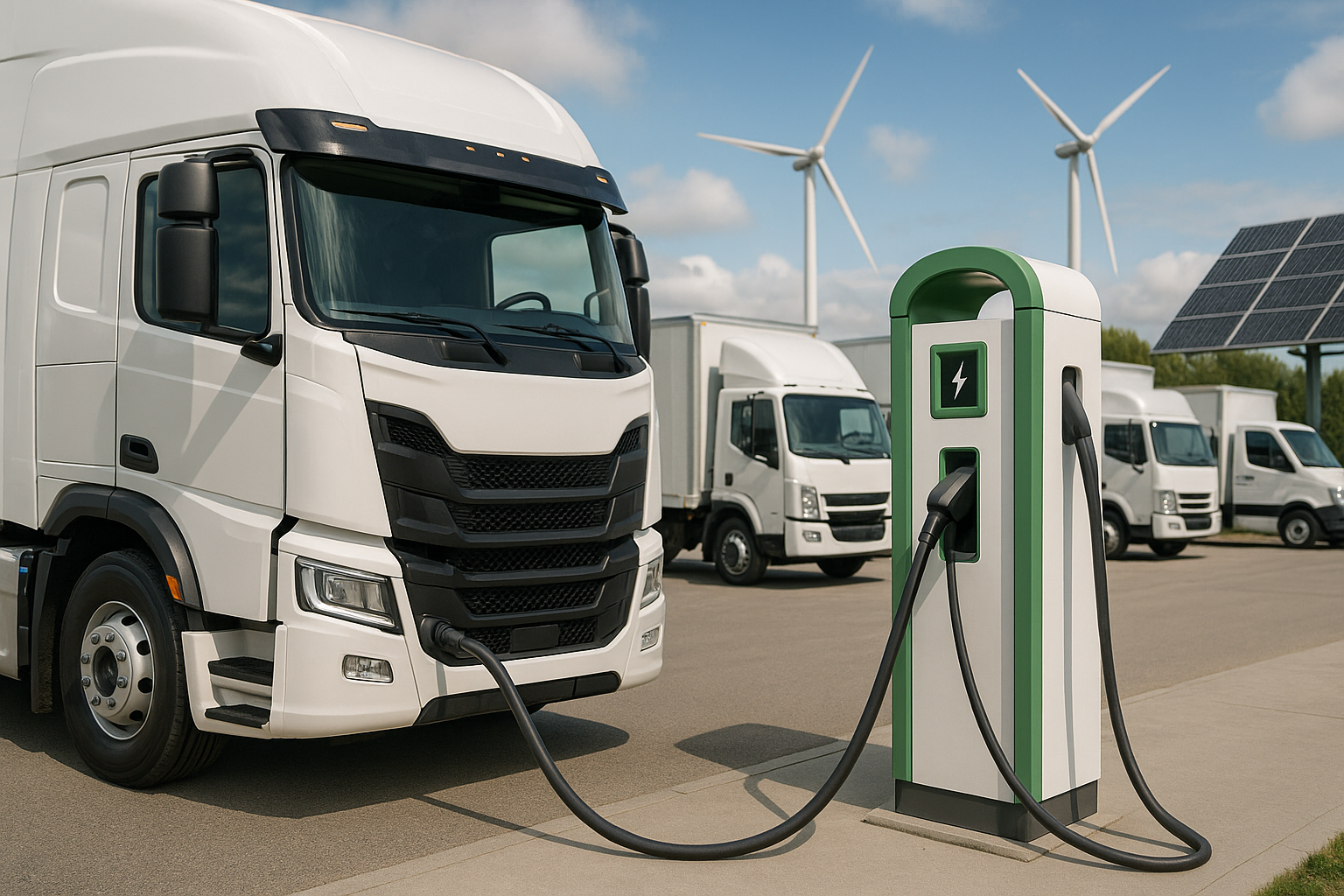
Environmental sustainability has transitioned from a nice-to-have consideration to a business imperative. Digital twins enable detailed modeling of energy consumption patterns across lighting systems, heating and cooling infrastructure, material handling equipment, and charging stations for electric vehicles.
Simulation tools can evaluate the impact of energy-efficient technologies, optimize operational schedules to reduce peak demand charges, and identify opportunities for renewable energy integration. These capabilities support corporate sustainability goals while delivering tangible cost savings.
Implementation Strategies for Digital Twin Technology
Successful deployment of digital twin technology requires thoughtful planning and phased implementation. Organizations should begin by clearly defining objectives and success metrics that align with broader business strategies. Whether the focus is reducing order cycle time, improving inventory accuracy, or supporting facility expansion planning, clear goals guide technology selection and implementation priorities.
Data Infrastructure Requirements
The foundation of effective digital twins rests on robust data infrastructure. Organizations must ensure comprehensive data collection capabilities throughout the warehouse environment. This includes both historical data for model calibration and real-time data streams for ongoing synchronization between physical and virtual environments.
Data quality represents a critical success factor. Inaccurate or incomplete data undermines model fidelity and leads to flawed insights. Companies should invest in data governance processes, validation protocols, and cleansing procedures to maintain high-quality information flows.
Selecting the Right Simulation Platform
The market offers diverse digital twin and simulation platforms with varying capabilities, complexity levels, and cost structures. Selection criteria should consider factors such as modeling flexibility, integration capabilities with existing systems, scalability to accommodate facility growth, user interface intuitiveness, and vendor support quality.
Some platforms specialize in discrete event simulation ideal for modeling order fulfillment processes, while others excel at continuous simulation suited for material flow optimization. Many organizations benefit from platforms offering hybrid capabilities that address multiple simulation paradigms.
📊 Real-World Applications and Use Cases
Digital twin technology proves valuable across numerous warehouse scenarios. Understanding specific applications helps organizations identify high-impact opportunities within their operations.
Capacity Planning and Expansion
Facility expansion decisions involve significant capital investment and long-term strategic implications. Digital twins enable rigorous evaluation of expansion alternatives, including vertical expansion versus horizontal footprint growth, multi-story facility designs, and mezzanine implementations.
Simulation models can forecast capacity requirements based on business growth projections, seasonal variation patterns, and product mix evolution. This forward-looking capability supports data-driven investment decisions that align physical infrastructure with strategic business objectives.
Automation Integration Assessment
Warehouse automation technologies ranging from autonomous mobile robots to goods-to-person systems require substantial investment and careful integration planning. Digital twins allow companies to evaluate automation alternatives, optimize equipment quantities, assess throughput capabilities, and identify potential integration challenges before procurement decisions.
The technology proves particularly valuable for hybrid operations combining manual and automated processes. Simulation models can optimize task allocation between human workers and machines, ensuring smooth coordination and maximizing return on automation investment.
Inventory Management Optimization
Inventory represents both a critical asset and a significant cost driver. Digital twins enable sophisticated inventory optimization by modeling the relationship between stock levels, service level performance, and storage space requirements. Companies can simulate various inventory policies, safety stock strategies, and replenishment approaches to identify configurations that balance competing objectives.
The technology also supports cycle counting optimization by identifying efficient counting sequences, optimal counting frequencies for different product categories, and resource requirements for maintaining target inventory accuracy levels.
Disaster Recovery and Contingency Planning
Business continuity planning requires preparing for diverse disruption scenarios ranging from equipment failures to natural disasters. Digital twins enable comprehensive contingency planning by simulating facility operations under various disruption conditions. Organizations can test backup procedures, evaluate redundancy strategies, and train personnel on emergency protocols within a risk-free virtual environment.
🔧 Overcoming Implementation Challenges
While digital twin technology offers compelling benefits, organizations often encounter implementation challenges that require proactive management.
Initial Investment and ROI Justification
Digital twin implementation involves costs spanning software licensing, hardware infrastructure, data integration, model development, and personnel training. Building a compelling business case requires quantifying expected benefits across operational efficiency gains, risk mitigation value, and strategic decision support capabilities.
Organizations should adopt phased implementation approaches that deliver incremental value while building internal capabilities and stakeholder confidence. Starting with focused pilot projects targeting specific pain points enables proof-of-concept validation before broader deployment.
Change Management and Adoption
Technology alone does not guarantee success. Organizations must address cultural and behavioral dimensions of digital twin adoption. Warehouse managers and frontline supervisors accustomed to experience-based decision making may resist data-driven approaches that challenge conventional wisdom.
Effective change management strategies emphasize transparency about technology objectives, involve stakeholders in implementation planning, provide comprehensive training, and celebrate early wins that demonstrate tangible value. Building internal champions who advocate for the technology accelerates broader organizational adoption.
Future Trends and Emerging Capabilities
Digital twin technology continues evolving rapidly, with emerging capabilities promising even greater value for warehouse operations. Artificial intelligence and machine learning integration enables predictive analytics that anticipate equipment failures, forecast demand fluctuations, and recommend proactive interventions before problems arise.
Augmented reality interfaces are beginning to bridge digital and physical environments, allowing warehouse personnel to visualize digital twin insights overlaid on their actual surroundings. This convergence enhances training effectiveness, supports real-time decision making, and improves operational awareness.
Integration with Supply Chain Networks
The next frontier for digital twin technology extends beyond individual facilities to encompass entire supply chain networks. Connected digital twins spanning multiple warehouses, transportation networks, and manufacturing facilities enable end-to-end visibility and optimization across the supply chain ecosystem.
This network perspective supports strategic decisions about facility location, inventory positioning, and transportation mode selection while considering complex interdependencies and trade-offs across the extended supply chain.
💡 Building Your Digital Twin Roadmap
Organizations embarking on digital twin implementation should develop comprehensive roadmaps that sequence initiatives based on business impact, technical complexity, and organizational readiness. Initial phases typically focus on establishing data infrastructure, developing baseline models, and demonstrating value through targeted pilot projects.
Intermediate phases expand model sophistication, broaden functional coverage, and deepen integration with operational systems. Advanced phases pursue predictive capabilities, network-level optimization, and continuous improvement processes that embed digital twin insights into daily operations.
Measuring Success and Continuous Improvement
Effective digital twin programs establish clear performance metrics aligned with strategic objectives. These metrics should span operational dimensions such as throughput improvement, labor productivity gains, and space utilization enhancement, as well as financial measures including cost reduction and return on investment.
Regular performance reviews ensure the digital twin remains calibrated with physical operations and continues delivering value as business conditions evolve. Organizations should foster cultures of experimentation that leverage digital twins for continuous testing, learning, and improvement.
Transforming Warehouse Operations Through Virtual Intelligence
Digital twin technology represents a fundamental shift in how warehouses are designed, operated, and optimized. By creating intelligent virtual replicas that mirror physical operations, organizations gain unprecedented capabilities for testing ideas, predicting outcomes, and making data-driven decisions without operational disruption or financial risk.
The technology delivers value across diverse applications spanning space optimization, labor productivity, automation integration, inventory management, and strategic planning. While implementation requires thoughtful planning and sustained commitment, organizations that successfully harness digital twin capabilities position themselves for sustained competitive advantage in an increasingly complex logistics landscape.
As warehouse operations grow more sophisticated and customer expectations continue rising, digital twins transition from competitive differentiator to operational necessity. Forward-thinking organizations are investing now in the infrastructure, capabilities, and cultural foundations needed to unlock the full potential of this transformative technology.
The journey toward digital twin maturity is evolutionary rather than revolutionary, with each incremental step building capabilities and delivering value. Organizations that begin this journey today position themselves to thrive in tomorrow’s data-driven logistics environment, equipped with powerful tools for navigating uncertainty and capitalizing on emerging opportunities.