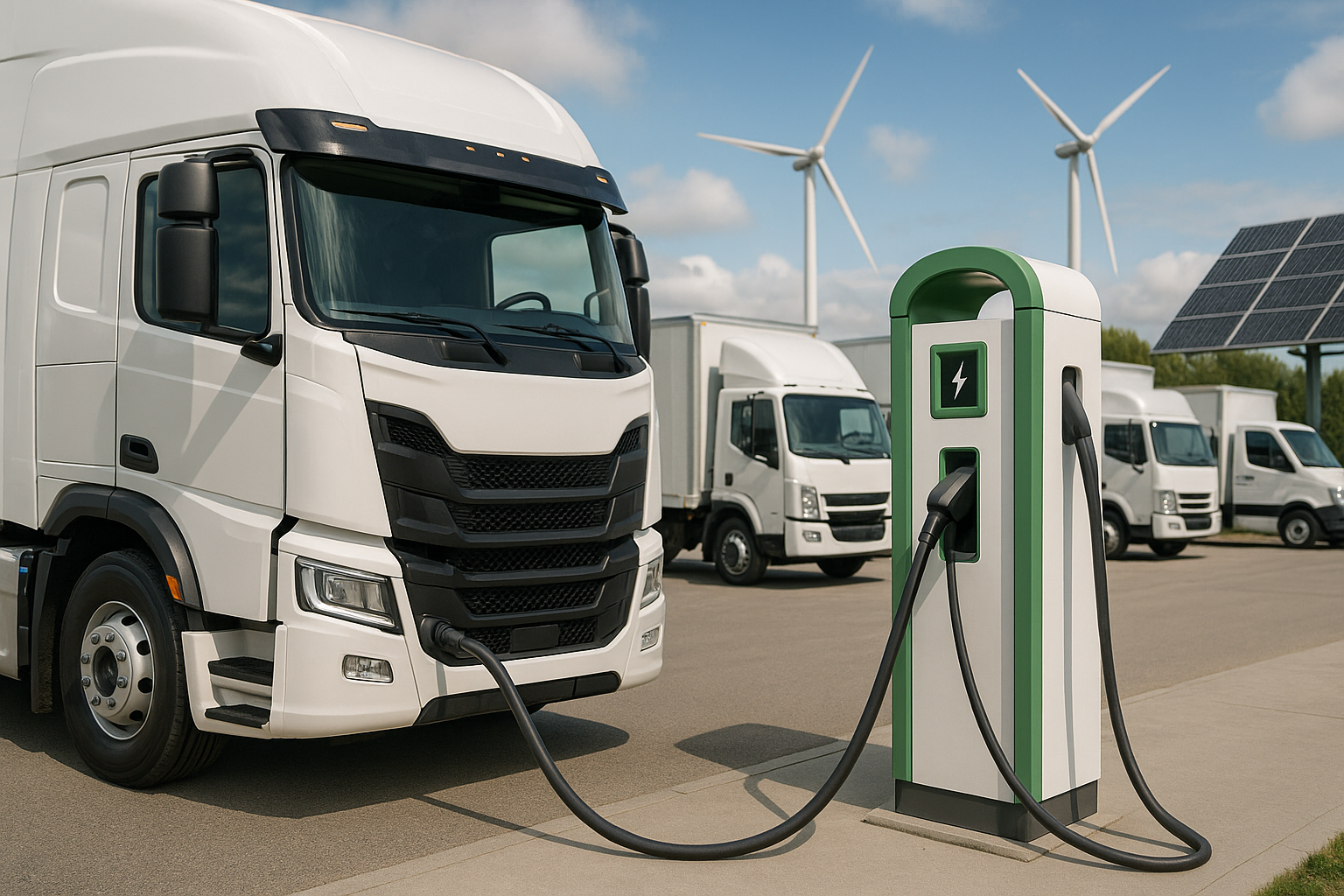
Energy-saving automation is transforming how we live and work, offering intelligent solutions that reduce consumption while maximizing comfort and productivity in our daily environments.

🌍 The Urgent Need for Energy Efficiency in Modern Times
Our world faces an unprecedented energy crisis. Climate change, rising utility costs, and dwindling natural resources have created a perfect storm that demands immediate action. Traditional approaches to energy management are no longer sufficient to meet the challenges of our rapidly evolving society.
Energy-saving automation represents a paradigm shift in how we approach resource management. By integrating smart technology with everyday systems, we can dramatically reduce waste while maintaining or even improving our quality of life. This isn’t just about turning off lights when leaving a room—it’s about creating intelligent ecosystems that anticipate needs, optimize performance, and adapt to changing conditions in real-time.
The statistics are compelling. Buildings account for nearly 40% of global energy consumption, with heating, cooling, and lighting systems being the primary culprits. Industrial facilities consume even more, often running equipment at full capacity regardless of actual demand. This wasteful approach not only strains our power grids but also contributes significantly to greenhouse gas emissions.
💡 Understanding Energy-Saving Automation Technology
At its core, energy-saving automation combines sensors, controllers, and intelligent algorithms to manage energy consumption automatically. These systems monitor environmental conditions, occupancy patterns, and equipment performance to make split-second decisions that optimize efficiency without human intervention.
Modern automation solutions leverage artificial intelligence and machine learning to continuously improve their performance. They learn from historical data, predict future needs, and adjust operations accordingly. This self-improving capability means that systems become more efficient over time, adapting to seasonal changes, usage patterns, and even individual preferences.
Key Components of Automated Energy Management
Smart sensors form the foundation of any automated energy system. These devices measure temperature, humidity, light levels, motion, and energy consumption in real-time. The data they collect feeds into centralized control systems that make informed decisions about when and how to operate various equipment.
Controllers act as the brain of the operation, processing sensor data and executing commands to adjust heating, cooling, lighting, and other systems. Modern controllers can be programmed with complex logic that considers multiple variables simultaneously, ensuring optimal performance under any conditions.
Communication networks tie everything together, allowing different components to share information and coordinate their actions. Whether using Wi-Fi, Zigbee, Z-Wave, or other protocols, these networks enable seamless integration across diverse equipment and locations.
🏢 Transforming Commercial Spaces with Smart Automation
Commercial buildings stand to gain tremendously from energy-saving automation. Office complexes, retail stores, warehouses, and manufacturing facilities can reduce energy consumption by 20-40% through intelligent automation strategies.
Occupancy-based control systems represent one of the most effective commercial applications. These solutions use motion sensors and scheduling software to ensure that lights, heating, and cooling only operate in occupied spaces. Conference rooms that sit empty for hours no longer waste energy, and HVAC systems automatically reduce output during non-business hours.
Demand response automation takes efficiency further by adjusting energy consumption based on grid conditions and pricing. During peak demand periods when electricity costs spike, automated systems can temporarily reduce non-essential loads, shift energy-intensive operations to off-peak hours, or draw from backup power sources.
Smart Lighting Revolution in Corporate Environments
Lighting accounts for a substantial portion of commercial energy use, making it a prime target for automation. LED technology combined with intelligent controls delivers impressive savings while improving workplace quality.
Daylight harvesting systems automatically dim artificial lights when natural sunlight is sufficient, reducing electricity consumption while maintaining comfortable illumination levels. Occupancy sensors ensure lights turn off in unoccupied areas, while task tuning adjusts brightness based on specific activities.
Advanced systems even consider circadian rhythms, adjusting color temperature throughout the day to support employee wellbeing and productivity. Cooler, bluer light in the morning promotes alertness, while warmer tones in the afternoon reduce eye strain and support natural sleep cycles.
🏠 Residential Applications: Your Home as an Efficiency Hub
Smart home automation has evolved from a luxury novelty to an accessible tool for everyday energy management. Homeowners can now implement sophisticated automation systems that deliver meaningful savings without sacrificing comfort or convenience.
Smart thermostats lead the residential automation revolution. These devices learn household patterns, adjust temperatures based on occupancy, and can be controlled remotely via smartphone apps. Many models integrate weather forecasts into their decision-making, pre-heating or pre-cooling homes efficiently based on upcoming conditions.
Automated window treatments work in concert with heating and cooling systems, closing during the hottest part of summer days to block solar heat gain, or opening during winter to capture passive solar warming. This simple coordination can reduce HVAC energy consumption by 10-15%.
Appliance Management and Load Scheduling
Modern smart appliances can communicate with home automation systems to optimize their operation. Washing machines, dryers, dishwashers, and water heaters can be scheduled to run during off-peak hours when electricity rates are lower and grid demand is reduced.
Smart plugs and power strips extend automation capabilities to conventional appliances. These devices monitor energy consumption, eliminate phantom loads by completely cutting power to idle equipment, and allow remote control of any connected device.
Energy monitoring dashboards provide real-time feedback on consumption patterns, helping homeowners identify energy hogs and track the impact of efficiency improvements. This visibility alone often motivates behavioral changes that complement automated savings.
⚙️ Industrial and Manufacturing Excellence Through Automation
Industrial facilities face unique energy challenges due to their scale and complexity. Energy-saving automation in manufacturing environments requires sophisticated solutions that balance efficiency with production requirements.
Variable frequency drives (VFDs) represent a cornerstone technology for industrial energy savings. These devices adjust motor speed based on actual demand rather than running at constant full capacity. Motors account for over 60% of industrial electricity consumption, making VFDs one of the highest-impact efficiency measures available.
Compressed air systems, notorious energy consumers in manufacturing, benefit enormously from automation. Smart controllers adjust compressor operation based on demand, fix leaks through pressure monitoring, and optimize system pressure to minimize waste while meeting production needs.
Process Optimization and Predictive Maintenance
Advanced automation systems monitor equipment performance continuously, identifying inefficiencies before they become serious problems. Predictive maintenance algorithms analyze vibration, temperature, and energy consumption patterns to detect developing issues that increase energy use.
By addressing maintenance needs proactively, facilities avoid the energy waste associated with degraded equipment performance. A motor with worn bearings might consume 10-20% more electricity than a properly maintained unit, making predictive maintenance both an efficiency and reliability strategy.
Process optimization algorithms analyze entire production lines, identifying opportunities to reduce energy intensity without compromising output. These systems might adjust batch sizes, modify processing sequences, or coordinate equipment operation to minimize peak demand charges.
🔋 Integration with Renewable Energy and Storage
Energy-saving automation reaches its full potential when integrated with renewable generation and battery storage systems. This combination creates resilient, sustainable energy ecosystems that maximize the value of clean power.
Solar and wind energy are inherently variable, producing power when weather conditions permit rather than when demand is highest. Smart automation bridges this gap by shifting flexible loads to match renewable generation periods, storing excess energy in batteries, and optimizing the balance between grid power, storage, and on-site generation.
Battery management systems coordinate charging and discharging cycles to maximize economic and environmental benefits. These systems might charge batteries during periods of high renewable generation or low grid prices, then discharge during peak demand periods to reduce utility costs and grid strain.
Grid-Interactive Efficient Buildings
The concept of grid-interactive efficient buildings (GEBs) represents the cutting edge of energy automation. These structures don’t just consume less energy—they actively participate in grid management by adjusting their load in response to grid conditions.
During periods of high renewable generation and low demand, GEBs might pre-cool spaces, charge thermal storage systems, or run non-time-sensitive equipment. When grid stress increases, they reduce consumption, draw from storage, or even export power back to the grid if equipped with generation and storage capabilities.
This two-way interaction benefits everyone. Building owners reduce costs, grid operators gain flexibility to manage variable renewable resources, and society benefits from reduced need for fossil fuel peaker plants that traditionally handle demand spikes.
📊 Measuring Success: Metrics and ROI
Implementing energy-saving automation requires investment, making return on investment a critical consideration. Fortunately, most automation projects deliver compelling financial returns alongside environmental benefits.
Energy savings typically range from 20-50% depending on the facility type and existing systems. Commercial buildings often see payback periods of 2-5 years, while industrial applications may achieve even faster returns due to higher baseline consumption and more significant optimization opportunities.
Beyond direct energy cost savings, automation delivers additional value through improved comfort, reduced maintenance costs, extended equipment life, and increased property values. These benefits often exceed the direct energy savings, though they’re sometimes harder to quantify.
Key Performance Indicators for Automation Success
Tracking the right metrics ensures that automation systems deliver expected benefits. Energy intensity—consumption per square foot or per unit of production—provides a normalized measure that accounts for occupancy or output variations.
Peak demand reduction is particularly valuable for facilities facing demand charges. Even modest reductions in peak consumption can yield significant savings when demand charges represent a large portion of utility bills.
System response time and uptime metrics ensure that automation enhances rather than compromises comfort and productivity. The best systems operate invisibly, maintaining optimal conditions while reducing energy waste.
🚀 Emerging Technologies and Future Directions
The field of energy-saving automation continues to evolve rapidly. Artificial intelligence and machine learning are becoming more sophisticated, enabling systems to make increasingly nuanced decisions based on complex patterns that would be impossible for humans to program manually.
Edge computing brings processing power closer to sensors and equipment, enabling faster response times and reducing dependence on cloud connectivity. This distributed intelligence model improves reliability while maintaining the benefits of centralized monitoring and coordination.
Digital twins—virtual replicas of physical buildings or facilities—allow operators to test optimization strategies in simulation before implementing them in the real world. This technology accelerates innovation while reducing the risk of disruptions during system tuning.
The Role of Blockchain and Decentralized Energy
Blockchain technology is beginning to enable peer-to-peer energy trading, where buildings with excess renewable generation can automatically sell power to neighbors. Smart contracts execute these transactions instantly, with automation systems optimizing when to consume, store, export, or purchase energy based on real-time pricing and conditions.
This decentralized approach promises to accelerate renewable adoption by improving the economics of distributed generation. Automation makes these complex transactions manageable, handling thousands of micro-decisions daily without human intervention.
🌱 Environmental Impact Beyond Energy Savings
While energy reduction represents the primary environmental benefit of automation, the impacts extend further. Reduced energy consumption means fewer greenhouse gas emissions, directly addressing climate change at its source.
Water conservation often accompanies energy automation. HVAC systems that operate more efficiently consume less water for cooling, while smart irrigation systems prevent overwatering by considering weather forecasts, soil moisture levels, and plant requirements.
Extended equipment life resulting from optimized operation reduces the environmental burden of manufacturing replacement equipment. By operating systems within optimal parameters and preventing stress conditions, automation reduces waste and resource consumption across the entire lifecycle.
🛠️ Overcoming Implementation Challenges
Despite compelling benefits, organizations face real challenges when implementing energy-saving automation. Upfront costs, technical complexity, and organizational inertia can slow adoption.
Starting small with pilot projects allows organizations to gain experience and demonstrate value before committing to facility-wide implementations. Focus initial efforts on high-impact, low-complexity applications like lighting controls or thermostat upgrades that deliver quick wins.
Partner selection matters tremendously. Work with vendors and integrators who understand your industry and can demonstrate successful similar projects. Avoid proprietary systems that lock you into a single vendor; instead, prioritize open standards that ensure long-term flexibility and interoperability.
Building Internal Expertise and Support
Successful automation requires buy-in from multiple stakeholders. Facility managers need training to operate and optimize systems. Occupants must understand how to work with automated systems rather than fighting against them. Executive leadership needs clear communication about benefits, costs, and timelines.
Develop internal champions who understand both the technology and business benefits. These advocates can drive adoption, troubleshoot issues, and identify new opportunities for efficiency improvements as they gain experience with automated systems.
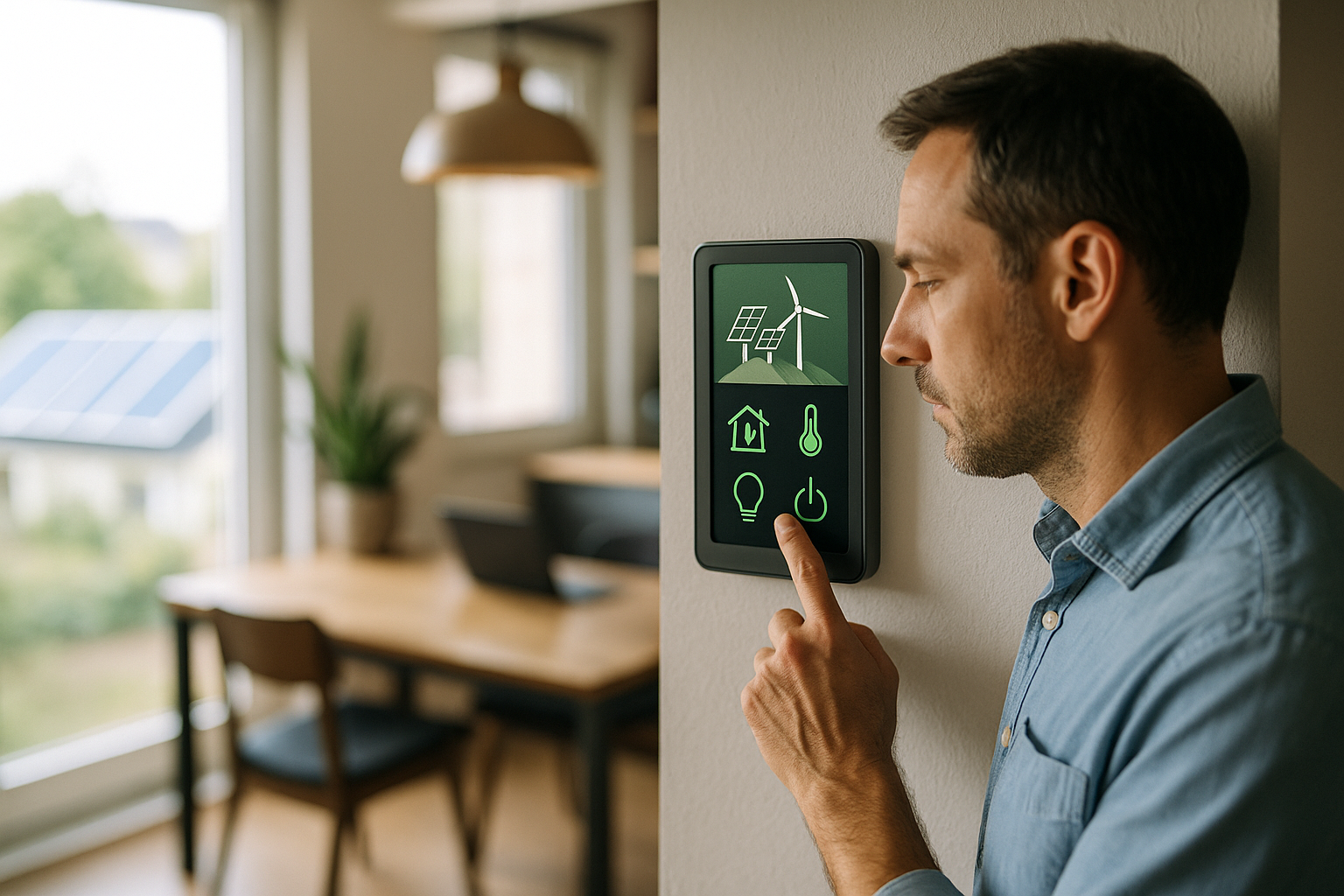
💪 Taking Action: Your Pathway to Automated Efficiency
The journey toward energy-saving automation begins with assessment. Conduct energy audits to identify your largest consumption sources and greatest opportunities for improvement. Many utilities offer free or subsidized audits that provide valuable baseline data.
Prioritize investments based on ROI, implementation complexity, and strategic importance. Quick payback projects build momentum and generate funds for more ambitious initiatives. Balance these quick wins with longer-term strategic investments that position your organization for future success.
Remember that technology alone doesn’t guarantee success. Effective automation requires thoughtful design, proper installation, ongoing commissioning, and continuous optimization. Plan for these ongoing activities rather than treating automation as a one-time project.
Energy-saving automation isn’t just an environmental imperative or cost-cutting measure—it’s a competitive advantage. Organizations that embrace efficient automation benefit from lower operating costs, improved reliability, enhanced comfort, and reduced exposure to energy price volatility. As energy costs rise and climate concerns intensify, these advantages will only grow stronger.
The future belongs to organizations that view energy not as a fixed cost but as a manageable resource. Through intelligent automation, we can create buildings, facilities, and processes that deliver superior performance while treading lightly on our planet. The technology exists today—the question is whether we’ll act with the urgency our situation demands. ⚡