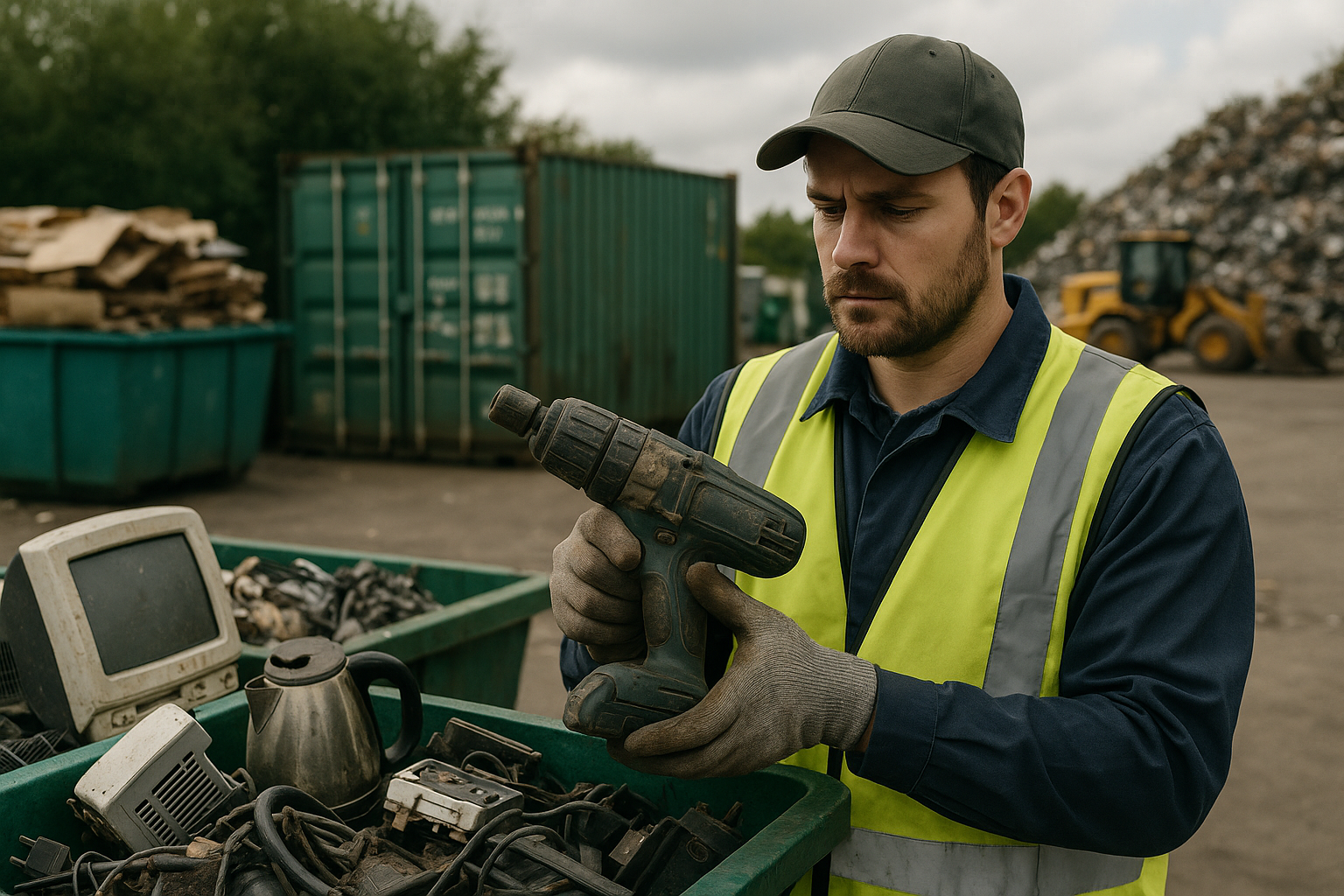
As robots increasingly enter human workspaces, establishing robust safety frameworks becomes essential for protecting workers while maximizing the benefits of automation and collaboration.

🤖 The Evolution of Human-Robot Interaction in Modern Workplaces
The integration of robotic systems into human work environments represents one of the most significant technological shifts in modern industry. Unlike traditional industrial robots that operated in caged areas, separated from human workers, collaborative robots—or cobots—are designed to work alongside people, sharing the same physical space and often the same tasks.
This evolution has created unprecedented opportunities for productivity and efficiency. However, it has also introduced complex safety challenges that require comprehensive frameworks to address. The transition from isolated automation to integrated collaboration demands a fundamental rethinking of workplace safety protocols.
Manufacturing facilities, warehouses, healthcare institutions, and even retail environments are adopting human-robot collaborative systems at an accelerating pace. According to industry analyses, the collaborative robot market continues to expand rapidly, driven by advances in sensor technology, artificial intelligence, and safety engineering.
Understanding the Core Risks in Human-Robot Collaboration
Before developing effective safety frameworks, organizations must understand the specific risks that emerge when humans and robots share workspaces. These risks differ significantly from traditional workplace hazards and require specialized assessment approaches.
Physical Contact Hazards
The most immediate concern in human-robot collaboration involves physical contact between workers and robotic systems. Even collaborative robots designed with safety features can cause injuries if proper precautions aren’t implemented. Pinch points, crushing hazards, and impact injuries represent primary physical risks that safety frameworks must address.
Modern cobots incorporate force-limiting technology that stops or reverses movement when unexpected resistance is detected. However, the effectiveness of these systems depends on proper calibration, regular maintenance, and appropriate application within the intended work context.
Cognitive and Psychological Factors
Human error and miscommunication between workers and robotic systems create substantial safety risks. Workers may misunderstand a robot’s intended movements, fail to recognize warning signals, or become complacent through familiarity with robotic colleagues.
The psychological dimension of human-robot collaboration includes stress responses, trust calibration, and situational awareness. Safety frameworks must account for these human factors through training programs, interface design, and operational protocols that support appropriate mental models of robotic behavior.
🛡️ Foundational Elements of Effective Safety Frameworks
Comprehensive safety frameworks for human-robot collaboration rest on several interconnected pillars that work together to create protected work environments while enabling productive cooperation between humans and machines.
Risk Assessment and Hazard Analysis
Every collaborative robotic deployment requires thorough risk assessment before implementation. This process identifies potential hazards, evaluates likelihood and severity of harm, and determines appropriate risk mitigation strategies.
Systematic risk assessment methodologies such as ISO 12100 provide structured approaches for evaluating machine safety. For collaborative applications, additional considerations include task variability, environmental factors, and the diverse capabilities and limitations of human workers who will interact with robotic systems.
Layered Safety Architecture
Effective frameworks implement multiple layers of protection rather than relying on single safety mechanisms. This defense-in-depth approach ensures that if one safety measure fails, additional protections prevent harm to workers.
A layered safety architecture typically includes:
- Physical design features that minimize inherent hazards
- Protective sensors and safety-rated monitoring systems
- Speed and force limitations on robotic movements
- Emergency stop systems accessible to all workers
- Administrative controls including procedures and training
- Personal protective equipment when appropriate
Regulatory Standards and Compliance Requirements
Safety frameworks for human-robot collaboration must align with applicable regulatory standards and industry guidelines. These standards provide tested methodologies and minimum requirements for collaborative robotic systems.
International Safety Standards
ISO/TS 15066 specifically addresses collaborative robot safety, providing technical specifications for power and force limiting in collaborative operations. This standard defines four types of collaborative operation: safety-rated monitored stop, hand guiding, speed and separation monitoring, and power and force limiting.
Understanding these collaboration modes helps organizations select appropriate configurations for specific applications and implement corresponding safety measures. Each mode carries distinct requirements for safety system design and validation.
Additional relevant standards include ISO 10218 for industrial robot safety and various regional regulations such as OSHA requirements in the United States and machinery directives in the European Union. Compliance with applicable standards provides both legal protection and proven safety methodologies.
🔧 Technical Safety Measures for Collaborative Systems
The technical implementation of safety frameworks involves specific technologies and design approaches that physically protect workers while enabling effective collaboration.
Advanced Sensor Systems
Modern collaborative robots incorporate sophisticated sensor arrays that monitor their environment and detect human presence. Vision systems, pressure sensors, and proximity detectors provide real-time awareness of the workspace, enabling robots to respond appropriately to human workers.
Safety-rated sensors must meet stringent reliability requirements to ensure they function correctly even under adverse conditions. Redundant sensor systems provide additional protection by maintaining safety functions if individual sensors fail.
Motion Control and Path Planning
Intelligent motion control systems enable robots to adjust their behavior based on human proximity and activity. Speed reduction in collaborative zones, alternative path selection to avoid human workers, and predictive movement algorithms all contribute to safer human-robot interaction.
These systems must balance safety requirements with productivity objectives. Overly conservative motion control may eliminate useful collaboration, while insufficient caution creates unacceptable risks. Proper configuration requires careful analysis of specific task requirements and work patterns.
Training and Human Factors in Safety Frameworks
Technical safety measures alone cannot ensure secure human-robot collaboration. The human elements of safety frameworks—training, communication, and organizational culture—play equally critical roles in protecting workers.
Comprehensive Worker Training Programs
Effective training goes beyond basic operation instruction to develop deep understanding of robotic behavior, safety systems, and appropriate responses to various situations. Workers need both theoretical knowledge and practical experience with collaborative systems.
Training programs should address robot capabilities and limitations, safety feature functionality, emergency procedures, and maintenance requirements. Hands-on practice in controlled environments allows workers to develop confidence and appropriate mental models before engaging in actual production collaboration.
Communication Protocols and Interface Design
Clear communication between humans and robots prevents misunderstandings that could lead to safety incidents. Visual indicators, auditory signals, and intuitive interfaces help workers understand robot status and intentions.
Standardized communication conventions across different robotic systems reduce cognitive load and support consistent worker responses. Interface design should follow human factors principles, prioritizing clarity and immediate comprehension over technical sophistication.
📊 Monitoring, Evaluation, and Continuous Improvement
Safety frameworks require ongoing assessment and refinement rather than one-time implementation. Continuous monitoring and systematic improvement processes keep safety measures effective as conditions evolve.
Performance Metrics and Safety Indicators
Organizations should establish clear metrics for evaluating safety performance in collaborative robotic systems. These metrics might include incident rates, near-miss reports, safety system activations, and worker confidence assessments.
Regular analysis of safety data identifies trends, emerging risks, and opportunities for improvement. Both leading indicators that predict potential problems and lagging indicators that measure actual outcomes contribute to comprehensive safety evaluation.
Incident Investigation and Learning Systems
When safety incidents or near-misses occur, thorough investigation uncovers root causes and informs preventive measures. Blame-free reporting cultures encourage workers to share safety concerns and near-miss experiences, providing valuable information for system improvement.
Lessons learned from incidents should be documented and shared across the organization, and when appropriate, with the broader industry. Collective learning accelerates safety improvement and prevents repeated mistakes across different implementations.
🌐 Industry-Specific Safety Considerations
Different industries face unique challenges in human-robot collaboration, requiring tailored safety approaches that address specific operational contexts and risk profiles.
Manufacturing and Assembly Operations
Manufacturing environments often involve repetitive collaborative tasks with well-defined parameters. Safety frameworks can leverage this predictability through carefully engineered work cells, standardized procedures, and optimized robot programming.
However, product variations, material handling, and tool changes introduce variability that safety systems must accommodate. Flexible safety approaches that adapt to different production scenarios while maintaining consistent protection levels serve manufacturing applications well.
Healthcare and Service Applications
Healthcare robots interact with vulnerable populations and operate in less structured environments than industrial settings. Safety frameworks must account for patient safety, diverse user capabilities, and the unpredictability of healthcare environments.
Service robots in retail, hospitality, or public spaces encounter untrained individuals who may not understand robotic capabilities or safety protocols. These applications require highly conservative safety parameters and robust autonomous safety systems that don’t depend on human cooperation.
🚀 Future Directions in Collaborative Safety
As technology advances and collaborative robotics become more sophisticated, safety frameworks continue to evolve. Emerging technologies and methodologies promise enhanced protection while enabling more capable collaboration.
Artificial Intelligence and Adaptive Safety
Machine learning systems enable robots to recognize complex patterns in human behavior and adjust their actions accordingly. AI-powered safety systems can predict human intentions, identify unusual situations that merit caution, and optimize the balance between productivity and protection.
However, AI safety systems also introduce new challenges, including the difficulty of verifying behavior across all possible scenarios and the potential for unexpected responses to novel situations. Safety frameworks must address these AI-specific risks while leveraging the benefits of intelligent systems.
Enhanced Human-Robot Communication
Natural language processing, gesture recognition, and augmented reality interfaces are creating more intuitive communication channels between humans and robots. These technologies can improve safety by making robotic intentions clearer and enabling more natural collaboration.
Wearable devices and smart personal protective equipment may provide additional communication and monitoring capabilities, alerting workers to hazards and giving robots more detailed information about human locations and activities.
Building a Culture of Collaborative Safety
Technical systems and procedures provide the foundation for safety, but organizational culture determines how effectively these measures function in practice. A strong safety culture treats human-robot collaboration safety as a shared responsibility and continuous priority.
Leadership commitment to safety, worker participation in safety planning, transparent communication about risks and incidents, and recognition of safe practices all contribute to effective safety cultures. Organizations that integrate safety into their core values rather than treating it as compliance obligation achieve superior protection outcomes.
Worker empowerment represents a crucial cultural element. Employees should feel authorized to stop operations when safety concerns arise and confident that raising safety issues will be welcomed rather than discouraged. This psychological safety enables organizations to identify and address risks before they result in harm.
💡 Implementing Your Safety Framework: Practical Steps
Organizations embarking on human-robot collaboration should approach safety framework development systematically, building on established methodologies while adapting to their specific contexts.
Begin with comprehensive stakeholder engagement, involving workers, engineers, safety professionals, and management in framework design. Diverse perspectives identify risks and solutions that might be overlooked by homogeneous planning groups.
Pilot implementations in controlled settings allow organizations to test safety measures and refine approaches before full-scale deployment. These pilots provide valuable learning opportunities and help build worker confidence in collaborative systems.
Documentation of safety procedures, risk assessments, and training materials creates organizational knowledge that supports consistent implementation and continuous improvement. Clear documentation also demonstrates compliance with regulatory requirements and provides reference materials for workers.
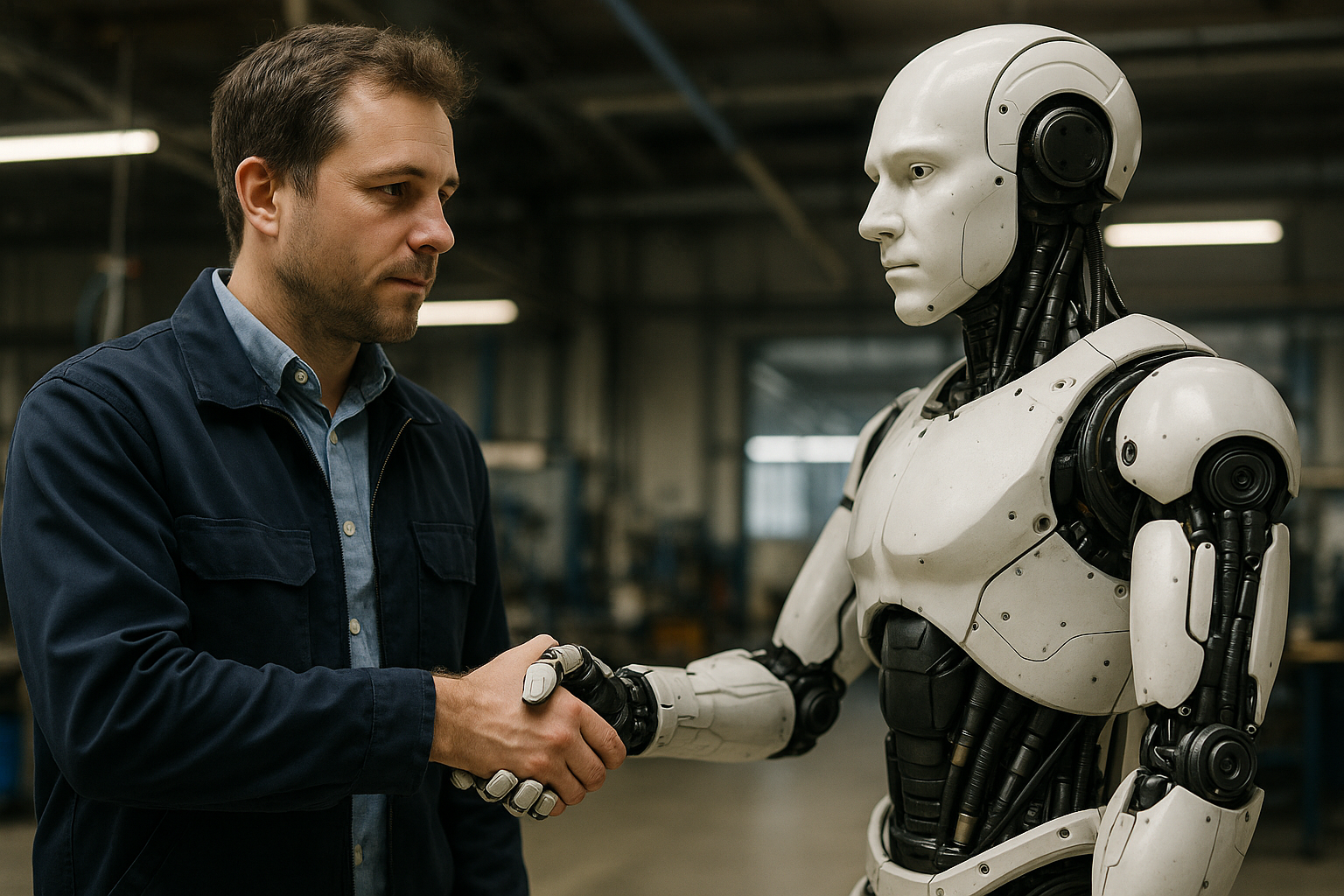
The Path Forward: Secure and Productive Collaboration
Human-robot collaboration represents a powerful opportunity to combine human flexibility, judgment, and creativity with robotic precision, strength, and tirelessness. Realizing this potential safely requires thoughtful framework development that addresses technical, human, and organizational dimensions of safety.
As collaborative robotics technology advances and adoption expands across industries, safety frameworks must evolve correspondingly. Organizations that invest in comprehensive safety approaches protect their workers while positioning themselves to leverage the full benefits of human-robot partnership.
The goal of safety frameworks extends beyond mere hazard prevention to creating work environments where humans and robots collaborate effectively and confidently. When workers trust that safety systems protect them, when robots respond intelligently to human presence, and when organizations maintain vigilant commitment to safety, collaborative robotics fulfills its promise of enhanced productivity and improved working conditions.
By implementing robust safety frameworks grounded in risk assessment, technical protection measures, comprehensive training, and strong safety culture, organizations create secure partnerships that benefit both workers and enterprises. The future of work involves increasing collaboration between humans and intelligent machines—and that future must be built on a foundation of safety, trust, and continuous improvement.