
Global trade is entering a revolutionary era where digital corridors and smart borders promise to transform how goods, services, and data move across international boundaries.

🌐 The Dawn of Intelligent Trade Infrastructure
The traditional model of international trade, characterized by paper-based documentation, manual inspections, and fragmented communication systems, is rapidly becoming obsolete. Digital corridors and smart borders represent a paradigm shift that leverages cutting-edge technologies to create seamless, efficient, and secure trade routes. These innovations are not merely incremental improvements; they represent a fundamental reimagining of how nations conduct commerce in an interconnected world.
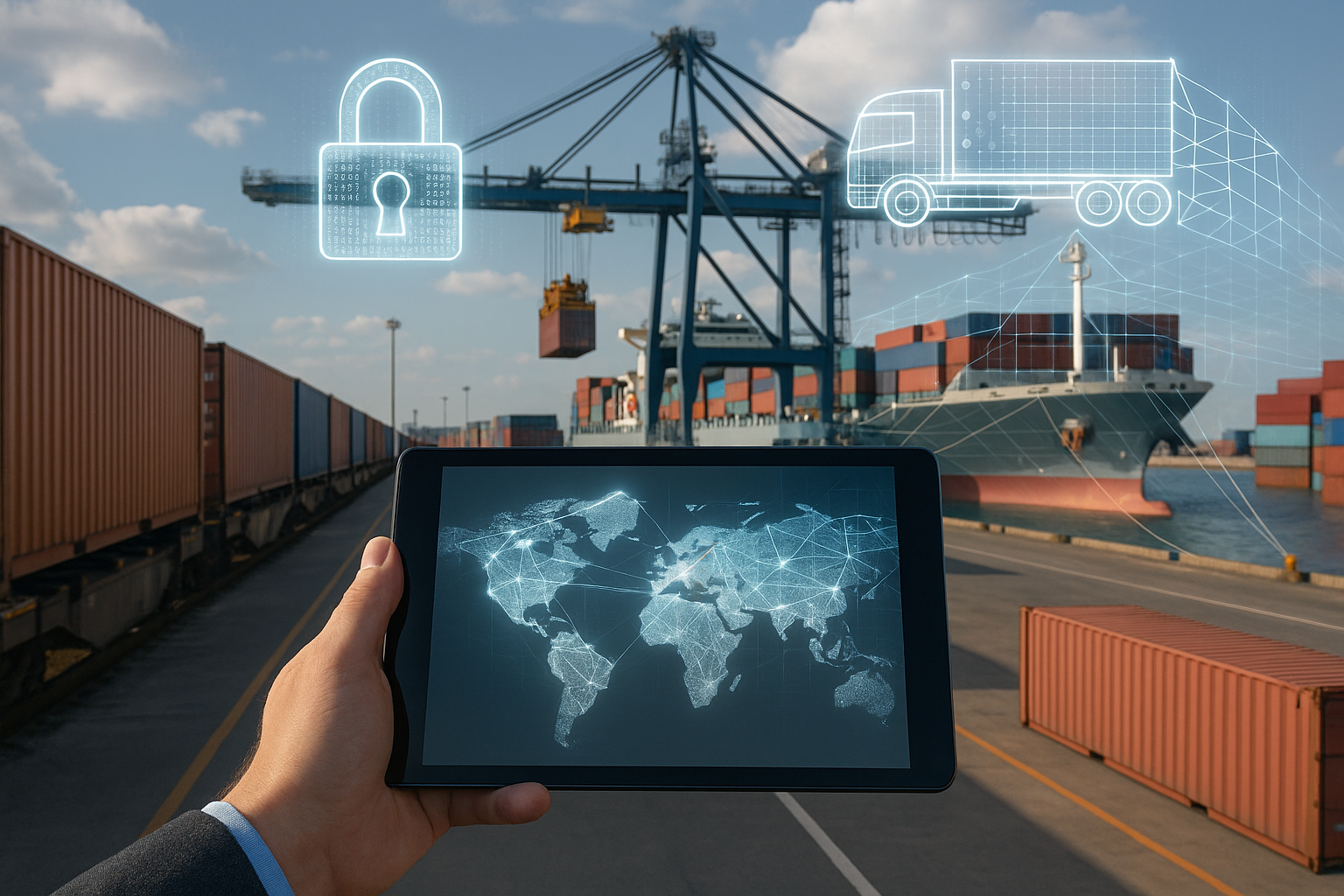
Digital corridors connect trading partners through integrated technological platforms that enable real-time data exchange, automated processing, and predictive analytics. Meanwhile, smart borders employ artificial intelligence, blockchain technology, Internet of Things sensors, and biometric systems to expedite clearance procedures while enhancing security measures. Together, these systems create an ecosystem where trade flows more freely, costs diminish significantly, and transparency becomes the norm rather than the exception.
📊 The Economic Imperative Behind Digital Transformation
The financial implications of modernizing trade infrastructure are staggering. According to various international trade organizations, inefficiencies in border processing and documentation cost the global economy hundreds of billions of dollars annually. Delays at borders translate directly into increased costs for businesses, higher prices for consumers, and reduced competitiveness for exporting nations.
Digital corridors address these challenges by eliminating redundant processes and reducing human error. When customs declarations, certificates of origin, phytosanitary documents, and bills of lading exist in standardized digital formats accessible to all authorized parties, the time required for processing drops dramatically. What once took days or weeks can now occur in hours or minutes.
Small and medium-sized enterprises particularly benefit from these developments. Previously, the complexity and cost of navigating international trade regulations created barriers that only large corporations could overcome efficiently. Digital platforms democratize access to global markets by simplifying procedures and reducing the need for expensive intermediaries or specialized knowledge.
🔐 Building Trust Through Blockchain and Distributed Ledgers
Trust remains fundamental to international commerce, yet traditional verification systems are cumbersome and vulnerable to fraud. Blockchain technology offers a solution by creating immutable, transparent records that all parties can verify independently. When applied to trade documentation, blockchain ensures that certificates, licenses, and declarations cannot be altered retroactively, significantly reducing opportunities for corruption and counterfeiting.
Several pilot programs have demonstrated blockchain’s potential in trade corridors. Shipping companies now track containers through entire supply chains using distributed ledger technology, providing unprecedented visibility to all stakeholders. Customs authorities can verify the authenticity of documents instantly, while importers and exporters gain confidence that their transactions are secure and transparent.
Smart contracts built on blockchain platforms automatically execute agreed-upon terms when specific conditions are met. For example, payment can release automatically once sensors confirm that refrigerated goods maintained proper temperature throughout transit, or when customs clearance completes successfully. This automation reduces disputes, accelerates transactions, and minimizes the need for intermediaries.
🤖 Artificial Intelligence: The Brain Behind Smart Borders
Artificial intelligence systems are transforming border management by analyzing vast amounts of data to identify patterns, assess risks, and make informed decisions in real-time. Machine learning algorithms can evaluate shipments based on historical data, trader compliance records, commodity classifications, and geopolitical factors to determine which require physical inspection and which can pass through expedited channels.
This risk-based approach represents a dramatic improvement over random inspections or resource-intensive examination of all shipments. By focusing scrutiny where it matters most, customs authorities maintain security standards while processing legitimate trade much faster. The algorithms continuously learn and adapt, becoming more accurate over time as they incorporate new data and feedback.
Natural language processing enables AI systems to read and interpret trade documents in multiple languages, extracting relevant information and checking for inconsistencies automatically. Image recognition technology can scan containers and compare contents with declared manifests, identifying discrepancies that warrant further investigation. These capabilities augment human inspectors rather than replacing them, allowing professionals to focus on complex cases requiring judgment and expertise.
🚢 Real-World Implementation: Success Stories and Lessons Learned
Several regions have already implemented digital corridor initiatives with remarkable results. Singapore’s National Trade Platform integrates government agencies and private sector participants in a unified digital ecosystem. Traders submit information once, and the system routes it to all relevant authorities, eliminating duplicate data entry and reducing processing time by over sixty percent.
The European Union’s Single Window initiative similarly consolidates requirements from multiple agencies into one digital interface. This harmonization across member states has significantly reduced administrative burden and accelerated intra-European trade. The success of these programs has inspired similar initiatives across Asia, Africa, and the Americas.
In East Africa, the Northern Corridor Transit and Transport Coordination Authority has implemented an electronic cargo tracking system that monitors goods moving from the port of Mombasa to landlocked countries. This system has dramatically reduced transit times, curbed corruption, and increased revenue collection for participating governments. The transparency it provides has also improved business confidence and stimulated trade growth throughout the region.
🌍 Overcoming Implementation Challenges
Despite compelling benefits, implementing digital corridors and smart borders presents significant challenges. Infrastructure gaps remain substantial in many developing countries, where reliable electricity, internet connectivity, and computing resources cannot be taken for granted. Addressing these foundational requirements demands considerable investment and political commitment.
Harmonizing standards across jurisdictions poses another major obstacle. Different countries have developed diverse regulatory frameworks, technical specifications, and procedural requirements. Creating interoperable systems requires extensive negotiation, compromise, and willingness to adopt international standards. Organizations like the World Customs Organization and United Nations Centre for Trade Facilitation and Electronic Business work to establish common frameworks, but progress remains uneven.
Human factors also warrant careful consideration. Digital transformation disrupts traditional roles and workflows, creating anxiety among personnel whose jobs may change substantially. Successful implementation requires comprehensive training programs, change management strategies, and sometimes difficult conversations about workforce transition. Governments must balance modernization imperatives with social responsibilities to affected workers.
🔒 Cybersecurity: The Critical Foundation
As trade systems become increasingly digital, cybersecurity emerges as a paramount concern. A successful attack on critical trade infrastructure could paralyze commerce, compromise sensitive business information, or enable smuggling of prohibited goods. The interconnected nature of digital corridors means that vulnerabilities in one system can potentially compromise entire networks.
Robust cybersecurity frameworks must be built into digital trade infrastructure from the beginning, not added as afterthoughts. This includes encryption of data in transit and at rest, multi-factor authentication, regular security audits, incident response protocols, and continuous monitoring for threats. International cooperation becomes essential, as cyber threats frequently originate across borders and require coordinated responses.
Privacy protections must balance legitimate security needs with individual and commercial rights. Trade data contains commercially sensitive information that competitors could exploit if exposed. Similarly, tracking systems that monitor goods movement must respect privacy principles and prevent misuse of location data. Clear governance frameworks defining data ownership, access rights, and permissible uses are essential for maintaining stakeholder trust.
💡 The Role of Public-Private Partnerships
Creating effective digital corridors requires collaboration between governments and private sector entities. Governments provide regulatory frameworks, border infrastructure, and security functions, while private companies contribute technological expertise, innovation capacity, and operational knowledge. Neither sector possesses all necessary capabilities independently.
Successful partnerships establish clear governance structures defining roles, responsibilities, and decision-making processes. They also address financial sustainability, ensuring that systems can be maintained and upgraded over time without creating unsustainable fiscal burdens. Revenue-sharing arrangements, user fees, and international development assistance may all play roles in funding models.
Private companies developing solutions for digital trade corridors must design systems that serve public interests, not merely profit motives. This includes ensuring accessibility for small traders, protecting data privacy, and building interoperable rather than proprietary systems. Regulatory frameworks should incentivize beneficial innovations while preventing monopolistic practices or exploitation of market power.
📱 Mobile Technology: Bringing Trade Tools to Everyone
Mobile devices have become nearly ubiquitous even in regions lacking extensive fixed internet infrastructure. Trade facilitation applications leveraging mobile technology can reach traders who would otherwise lack access to digital corridors. Simple smartphone apps can enable small-scale traders to submit declarations, receive notifications, make payments, and track shipments without visiting physical offices or purchasing expensive computer equipment.
These mobile solutions must be designed with user experience as a priority. Interfaces should be intuitive even for users with limited digital literacy. Applications should function with minimal data consumption to accommodate areas with expensive or limited bandwidth. Offline capabilities allow essential functions to continue when connectivity is intermittent, with synchronization occurring when connections restore.
🌟 Looking Ahead: Emerging Technologies and Future Possibilities
The trajectory of digital trade corridors points toward even more sophisticated capabilities in coming years. Fifth-generation wireless networks will enable real-time monitoring of shipments with unprecedented detail and reliability. Drones and autonomous vehicles may transport goods across borders with minimal human intervention, guided by AI systems that handle documentation and clearance automatically.
Digital twins—virtual replicas of physical supply chains—could allow traders and authorities to simulate scenarios, optimize routes, and identify potential problems before they occur in the real world. Quantum computing might eventually crack encryption methods currently considered secure, necessitating entirely new approaches to data protection in trade systems.
Sustainability considerations will likely play growing roles in future trade corridors. Digital systems can track carbon footprints of shipments, verify compliance with environmental regulations, and provide consumers with transparency about the ecological impact of products. This aligns trade facilitation with urgent climate goals and evolving consumer preferences for sustainable products.
🎯 Strategic Imperatives for Stakeholders
Governments must prioritize digital trade infrastructure as essential economic development investments, not optional luxuries. This requires allocating sufficient resources, developing appropriate regulatory frameworks, and fostering international cooperation. Political leaders need to champion these initiatives and sustain commitment through inevitable implementation challenges.
Businesses should engage proactively with digital corridor development rather than waiting passively for governments to act. Industry associations can articulate needs, pilot innovative solutions, and demonstrate feasibility. Companies that embrace digital trade tools early will gain competitive advantages over those that cling to outdated practices.
International organizations play crucial roles in establishing standards, facilitating knowledge exchange, and providing technical assistance to countries lacking resources or expertise. Their convening power brings diverse stakeholders together to address challenges requiring collective action.
🚀 The Transformation Underway
Digital corridors and smart borders represent more than technological upgrades—they embody a fundamental shift in how humanity conducts cross-border commerce. The future of trade lies not in higher walls or more inspectors, but in intelligent systems that facilitate legitimate commerce while maintaining security and regulatory compliance. The countries, regions, and businesses that embrace this transformation will thrive in an increasingly competitive global economy.
The journey toward fully realized digital trade infrastructure will take years and require sustained effort from all stakeholders. Technical challenges must be overcome, trust must be built, and investments must be made. Yet the destination—a world where trade flows efficiently, transparently, and inclusively—justifies the effort. As digital corridors connect nations and smart borders welcome legitimate commerce while deterring threats, we move closer to unlocking the full potential of global economic integration.
The revolution is already underway. The question facing governments, businesses, and individuals is not whether to participate, but how quickly to embrace the changes reshaping international trade. Those who act decisively today will shape the trade systems of tomorrow, positioning themselves advantageously in a digital-first global economy where efficiency, transparency, and security converge to create unprecedented opportunities for prosperity.