
The Internet of Things is reshaping how companies track, monitor, and manage shipments across global supply chains, delivering unprecedented visibility and operational efficiency.

🌐 The Dawn of Connected Supply Chains
Global logistics has evolved from a system of disconnected checkpoints and manual updates to an intelligent, interconnected network powered by IoT technology. Today’s supply chains demand real-time visibility, predictive capabilities, and seamless coordination across thousands of touchpoints spanning continents, oceans, and regulatory boundaries.
Traditional shipment tracking relied heavily on barcode scanning at fixed locations, creating significant blind spots between checkpoints. These gaps in visibility often resulted in delayed responses to disruptions, increased inventory costs, and diminished customer satisfaction. The transformation brought by IoT sensors, GPS tracking devices, and cloud-based platforms has fundamentally altered this landscape.
IoT-enabled shipment tracking provides continuous monitoring throughout the entire logistics journey. From warehouse departure to final delivery, stakeholders can access comprehensive data about location, condition, and estimated arrival times. This revolution extends beyond simple GPS coordinates to include environmental factors, handling quality, and even potential security breaches.
📊 Understanding IoT Architecture in Logistics
The IoT ecosystem in supply chain management consists of multiple interconnected layers working harmoniously to deliver actionable intelligence. At the foundation lie physical sensors and devices attached to shipments, vehicles, and storage facilities. These devices collect various data points including temperature, humidity, shock, light exposure, and precise geolocation.
The connectivity layer enables data transmission from these distributed sensors to centralized platforms. This includes cellular networks, satellite communications, WiFi, Bluetooth Low Energy, and specialized IoT protocols like LoRaWAN and NB-IoT. Network selection depends on geographic coverage requirements, data transmission frequency, power consumption constraints, and cost considerations.
Cloud platforms form the processing and storage backbone, ingesting millions of data points daily and transforming raw sensor readings into meaningful insights. Advanced analytics engines apply machine learning algorithms to identify patterns, predict potential disruptions, and recommend optimal responses. Integration layers connect these systems with existing enterprise resource planning, warehouse management, and transportation management systems.
Key Components of IoT Tracking Systems
Modern IoT tracking solutions incorporate several specialized device categories, each serving distinct purposes within the logistics ecosystem:
- GPS trackers provide continuous location updates with varying accuracy levels, from basic zone detection to precise coordinate tracking within meters
- Environmental sensors monitor temperature, humidity, pressure, and light exposure—critical for pharmaceutical, food, and electronics shipments
- Shock and vibration sensors detect handling quality and potential damage events during transportation and loading operations
- RFID tags enable automated inventory management and rapid scanning of multiple items simultaneously at checkpoints
- Smart locks and seals enhance security by detecting unauthorized access attempts and maintaining chain-of-custody documentation
🚛 Real-Time Visibility Across Transportation Modes
The complexity of modern supply chains involves multiple transportation modes—ocean freight, air cargo, trucking, and rail—each presenting unique tracking challenges. IoT technology provides unified visibility regardless of how goods move across the supply network.
Maritime shipping, responsible for approximately 90% of global trade volume, benefits significantly from IoT implementation. Container-level tracking devices monitor cargo throughout weeks-long ocean voyages, providing visibility into vessel location, container conditions, and estimated arrival times. Port authorities increasingly deploy IoT infrastructure to optimize berth allocation, reduce congestion, and accelerate customs clearance processes.
Air freight tracking leverages specialized IoT devices designed to comply with aviation safety regulations while providing real-time updates during flights. These compact sensors withstand extreme temperature variations and pressure changes while transmitting data during ground operations and providing stored data logs after flights.
Ground transportation tracking has matured significantly with IoT adoption. Fleet management systems now integrate vehicle telematics, driver behavior monitoring, and cargo condition sensors into comprehensive platforms. This integration enables dynamic route optimization, fuel efficiency improvements, and proactive maintenance scheduling alongside traditional shipment tracking capabilities.
🌡️ Protecting Sensitive Shipments with Environmental Monitoring
Temperature-sensitive goods represent a massive segment of global trade, including pharmaceuticals valued at hundreds of billions annually, fresh produce, chemicals, and electronics. Traditional “cold chain” management relied on periodic temperature checks and basic refrigeration units, leaving significant gaps in monitoring and accountability.
IoT sensors transform cold chain logistics by providing continuous temperature monitoring with configurable alert thresholds. When temperatures deviate from acceptable ranges, automated notifications enable immediate corrective action—rerouting shipments, adjusting refrigeration settings, or expediting customs clearance to minimize exposure time.
Pharmaceutical logistics exemplifies the critical importance of environmental monitoring. Vaccine shipments require strict temperature maintenance, often within narrow ranges like 2-8°C. IoT devices create immutable digital records proving temperature compliance throughout the supply chain, satisfying regulatory requirements and ensuring product efficacy.
Beyond temperature, humidity monitoring protects moisture-sensitive products from degradation. Electronics, textiles, and certain chemicals require controlled humidity levels during storage and transportation. Multi-parameter sensors track temperature, humidity, and sometimes additional factors like atmospheric pressure simultaneously.
Documentation and Compliance Benefits
IoT systems automatically generate comprehensive audit trails documenting environmental conditions throughout shipment journeys. These digital records prove invaluable for:
- Regulatory compliance reporting for pharmaceutical, food, and chemical products
- Insurance claims processing when temperature excursions or other incidents occur
- Quality assurance verification ensuring products arrive in optimal condition
- Root cause analysis when issues arise, identifying exactly where problems occurred
- Supplier performance evaluation based on objective environmental control data
⚡ Predictive Analytics and Proactive Problem Resolution
The true power of IoT in logistics extends beyond passive monitoring to predictive intelligence that anticipates problems before they escalate. Machine learning models trained on historical shipment data identify patterns indicating potential delays, quality issues, or operational inefficiencies.
Weather prediction integration allows logistics platforms to anticipate disruptions from storms, extreme temperatures, or natural disasters. When severe weather threatens shipment routes, systems automatically suggest alternative routings, recommend protective measures, or advise delaying departures until conditions improve.
Traffic pattern analysis enables dynamic route optimization for ground transportation. By combining real-time traffic data with historical patterns and predicted congestion, systems guide drivers along fastest routes while considering delivery time windows, fuel costs, and vehicle capacity constraints.
Equipment failure prediction represents another valuable application. IoT sensors monitoring refrigeration units, vehicle engines, and warehouse equipment detect early warning signs of impending failures. Predictive maintenance scheduling prevents unexpected breakdowns that could compromise shipments or cause costly delays.
🔐 Security Enhancement Through Connected Monitoring
Cargo theft represents a billion-dollar problem globally, while counterfeit goods infiltrating supply chains create brand damage and safety risks. IoT technology significantly strengthens security across multiple dimensions.
Smart locks and electronic seals detect unauthorized access attempts in real-time. Unlike traditional seals that only reveal tampering upon inspection, IoT-enabled security devices immediately alert stakeholders to potential theft or contamination events. GPS tracking simultaneously provides location data, enabling rapid law enforcement response.
Geofencing capabilities create virtual boundaries around approved routes and storage locations. When shipments deviate from expected paths or enter unauthorized areas, automated alerts trigger investigation protocols. This technology proves particularly valuable for high-value goods, controlled substances, and defense-related shipments.
Chain-of-custody documentation becomes tamper-proof through blockchain integration with IoT systems. Each handoff point, environmental reading, and security event gets recorded in distributed ledgers, creating verifiable records that prove authenticity and proper handling throughout supply chains.
💰 Cost Reduction and Efficiency Gains
While IoT implementation requires upfront investment in devices, connectivity, and platform integration, the return on investment typically materializes quickly through multiple cost-saving mechanisms.
Inventory optimization represents a major benefit category. Real-time visibility into shipment locations and estimated arrival times enables companies to reduce safety stock levels without increasing stockout risks. More accurate demand forecasting based on actual transit times rather than conservative estimates reduces working capital tied up in excess inventory.
Insurance premium reductions reward companies demonstrating superior risk management through IoT monitoring. Insurers recognize that real-time tracking, environmental monitoring, and security systems significantly reduce claim frequency and severity, passing savings to customers through lower premiums.
Labor efficiency improves when automated tracking replaces manual status updates and exception management. Warehouse personnel spend less time searching for shipments or investigating discrepancies, while customer service representatives access real-time information without making phone calls to carriers or distribution centers.
Damage claim reduction follows from better handling visibility and proof of proper care. When disputes arise about whether damage occurred during shipping or at other supply chain stages, IoT sensor data provides objective evidence. This clarity accelerates claim resolution and encourages careful handling practices.
Calculating IoT Implementation ROI
| Cost Category | Typical Investment | Savings/Benefits | Payback Period |
|---|---|---|---|
| Hardware Devices | $20-200 per unit | Reduced loss and damage claims | 6-18 months |
| Connectivity Services | $2-10 per device/month | Lower insurance premiums | 12-24 months |
| Platform Integration | $50K-500K one-time | Inventory carrying cost reduction | 18-36 months |
| Staff Training | $10K-50K initial | Labor efficiency improvements | 6-12 months |
🤝 Enhancing Customer Experience and Transparency
Modern consumers and business customers alike demand unprecedented visibility into their shipments. The “Amazon effect” has raised expectations for real-time tracking, accurate delivery windows, and proactive communication about delays or issues.
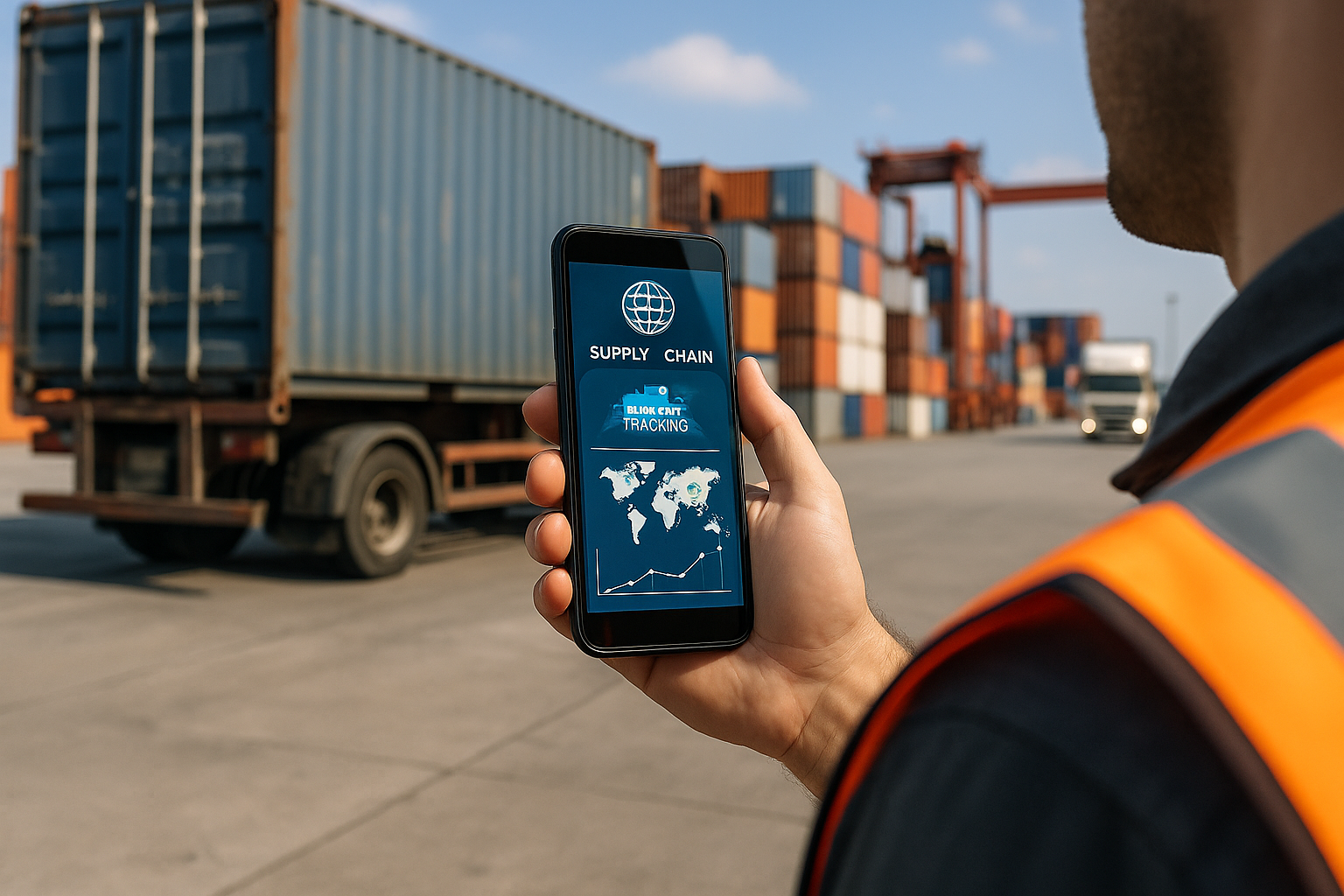
IoT-powered tracking enables customer-facing portals and mobile applications displaying live shipment status, current location on interactive maps, and predicted delivery times with increasing accuracy. These self-service tools reduce customer service inquiries while improving satisfaction through transparency.
Proactive notification systems represent a significant experience improvement over traditional reactive customer service. When delays occur due to weather, customs issues, or transportation problems, automated messages inform customers immediately with updated delivery estimates. This transparency builds trust even when problems occur.
Delivery precision improves through better coordination between carriers and recipients. Real-time location updates enable narrow delivery windows—”your package will arrive between 2:00 and 2:30 PM”—rather than vague all-day windows. This precision reduces missed deliveries, redelivery costs, and customer frustration.
🌍 Sustainability Benefits of Connected Logistics
Environmental sustainability has become a critical concern for logistics operations contributing significantly to global carbon emissions. IoT technology supports multiple sustainability initiatives while simultaneously improving operational efficiency.
Route optimization algorithms minimize fuel consumption by identifying shortest practical routes, avoiding congestion, and consolidating deliveries. Fleet management systems monitor driver behavior, identifying inefficient practices like excessive idling, aggressive acceleration, or speeding that waste fuel unnecessarily.
Empty mile reduction represents a major opportunity. IoT platforms with visibility across multiple shippers can identify backhaul opportunities where trucks returning empty might carry loads for other companies. This collaborative approach maximizes asset utilization while reducing overall vehicle miles traveled.
Packaging optimization follows from better understanding of actual shipment conditions. When data proves that goods consistently experience mild environmental conditions and gentle handling, companies can reduce protective packaging without increasing damage rates. This reduction saves materials, reduces weight, and lowers transportation costs simultaneously.
Carbon footprint tracking and reporting become feasible when IoT systems monitor actual fuel consumption, transportation modes, and distances traveled. Companies can calculate precise emissions data for individual shipments, supporting carbon offset programs and sustainability reporting requirements.
🚀 Emerging Technologies Shaping the Future
The IoT logistics revolution continues accelerating as complementary technologies mature and integrate with shipment tracking systems. Several emerging capabilities promise to further transform supply chain visibility and intelligence.
5G networks enable dramatically higher data transmission speeds, lower latency, and greater device density compared to 4G predecessors. This enhanced connectivity supports video streaming from shipments, more frequent sensor readings, and real-time analytics at the edge rather than requiring cloud processing.
Digital twin technology creates virtual replicas of physical supply chains, enabling sophisticated scenario modeling and optimization. Companies can simulate various disruption scenarios, test response strategies, and identify vulnerabilities before they manifest in actual operations. IoT data feeds these digital twins with real-time information, ensuring models accurately reflect current conditions.
Autonomous vehicles and delivery robots represent the logical extension of IoT-enabled logistics. Self-driving trucks equipped with comprehensive sensor arrays navigate highways while communicating with traffic management systems and logistics platforms. Last-mile delivery robots use similar technology for neighborhood package delivery.
Artificial intelligence continues advancing beyond current predictive capabilities toward prescriptive recommendations and eventually autonomous decision-making. Rather than simply alerting humans to potential problems, future systems will automatically implement solutions—rerouting shipments, adjusting environmental controls, or renegotiating carrier contracts based on performance data.
⚙️ Implementation Strategies for Organizations
Successfully deploying IoT shipment tracking requires thoughtful planning, phased implementation, and stakeholder alignment. Organizations should approach these transformative projects strategically rather than attempting wholesale overnight changes.
Pilot programs focused on specific high-value lanes, sensitive products, or problematic routes enable learning and refinement before broader rollout. These initial implementations prove business value, identify integration challenges, and build organizational expertise supporting larger-scale deployment.
Vendor selection deserves careful evaluation across multiple dimensions including device durability, battery life, connectivity options, platform capabilities, integration ease, total cost of ownership, and vendor financial stability. The IoT market includes numerous players ranging from specialized startups to established technology giants.
Change management represents a critical success factor often underestimated in technology projects. Warehouse staff, drivers, customer service representatives, and executives all require training on new systems, processes, and capabilities. Demonstrating clear benefits to each stakeholder group encourages adoption and minimizes resistance.
Data governance policies must address privacy, security, retention, and sharing considerations. Clear guidelines about who can access what information, how long data remains stored, and under what circumstances third parties receive access protects against misuse while enabling legitimate business purposes.
🎯 Maximizing Value from Connected Supply Chains
The transformation of global logistics through IoT technology represents more than incremental improvement—it constitutes a fundamental reimagining of how goods move across the world. Organizations embracing these capabilities gain competitive advantages through superior visibility, predictive intelligence, and operational excellence.
Success requires viewing IoT not merely as a tracking technology but as a strategic capability enabling new business models, customer experiences, and operational efficiencies. Companies leading this transformation integrate sensor data across their entire technology ecosystem, breaking down silos between transportation, warehousing, procurement, and customer service functions.
The journey toward fully connected supply chains continues evolving as technology advances, costs decline, and best practices emerge. Organizations beginning this journey today position themselves for sustained competitive advantage in increasingly complex global markets demanding transparency, speed, and reliability.
Investment in IoT shipment tracking pays dividends through reduced costs, improved customer satisfaction, better sustainability performance, and enhanced agility responding to disruptions. As supply chains grow more complex and customer expectations continue rising, connected logistics transforms from competitive advantage to business necessity.