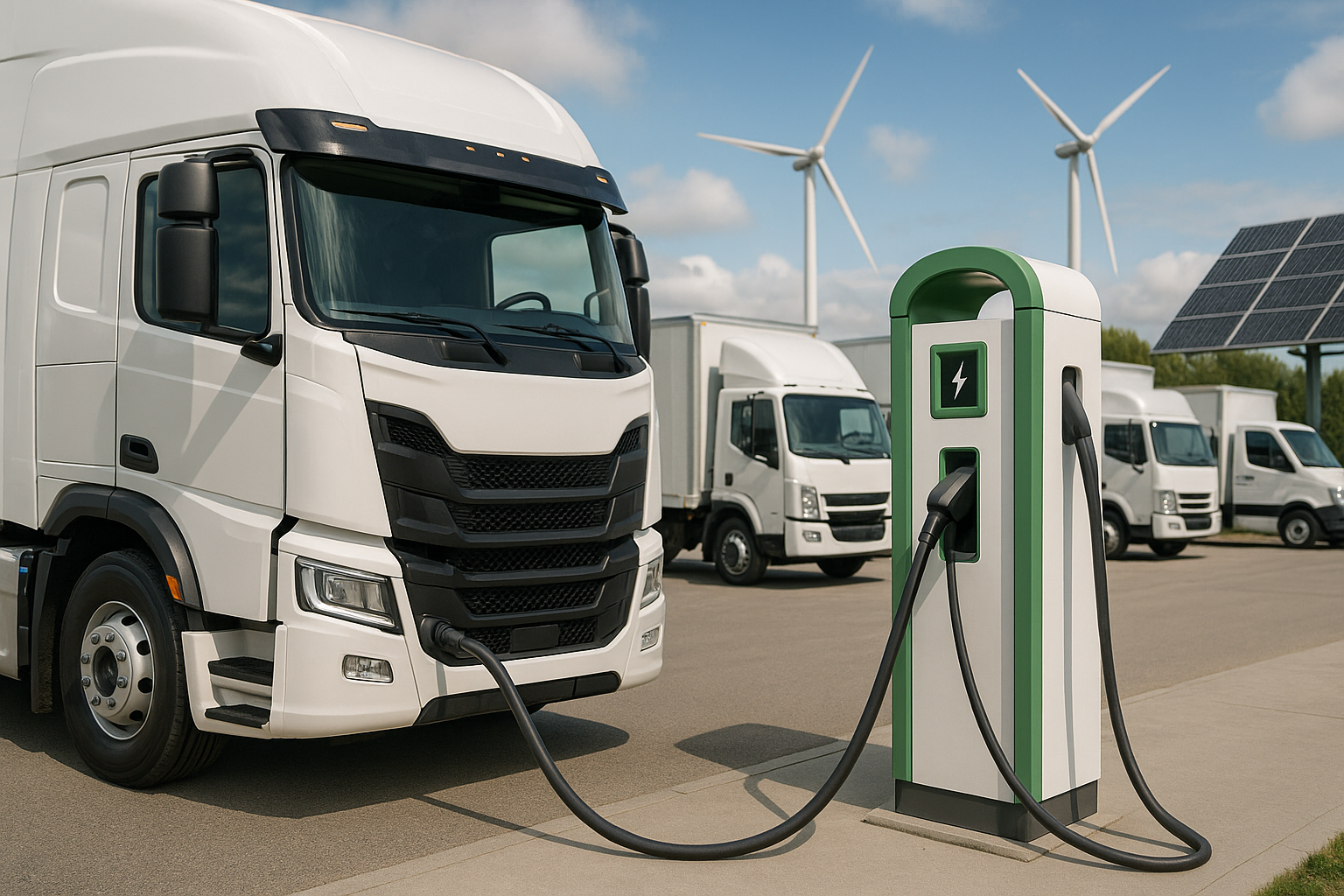
The transportation industry stands at a critical crossroads, where environmental responsibility meets economic necessity, and hydrogen-powered freight vehicles are emerging as transformative game-changers.

🚛 The Urgent Need for Decarbonizing Freight Transportation
Heavy-duty trucks and freight vehicles contribute approximately 7% of global greenhouse gas emissions, yet they move nearly 70% of domestic freight in developed nations. This paradox highlights the urgent need for sustainable alternatives that don’t compromise on performance or reliability. Traditional diesel-powered trucks have dominated the industry for decades, but mounting environmental concerns and increasingly stringent emissions regulations are forcing the sector to explore innovative solutions.
The transportation sector’s carbon footprint continues expanding as global trade volumes increase. With e-commerce booming and supply chains becoming more complex, the demand for freight transportation shows no signs of slowing. This creates an environmental challenge that requires immediate technological intervention. Hydrogen-powered vehicles offer a promising pathway toward achieving carbon neutrality while maintaining the operational capabilities that modern logistics demand.
Understanding Hydrogen as a Revolutionary Fuel Source
Hydrogen represents the most abundant element in the universe, yet its application as a transportation fuel remains relatively nascent. Unlike fossil fuels, hydrogen produces zero direct emissions when consumed in fuel cells, with water vapor being the only byproduct. This remarkable characteristic positions hydrogen as an ideal candidate for powering heavy-duty vehicles that traditionally rely on diesel engines.
The energy density of hydrogen surpasses that of conventional batteries, making it particularly suitable for long-haul transportation. A hydrogen fuel cell generates electricity through an electrochemical reaction between hydrogen and oxygen, providing continuous power without the lengthy charging times associated with battery-electric vehicles. This operational advantage becomes critical when considering the demanding schedules and tight delivery windows that characterize the freight industry.
Green, Blue, and Gray Hydrogen: Understanding the Spectrum
Not all hydrogen is created equal, and understanding the production methods is essential for evaluating its true environmental impact. Green hydrogen, produced through electrolysis powered by renewable energy sources, represents the gold standard for sustainable fuel production. Blue hydrogen involves natural gas reformation with carbon capture and storage technology, offering a transitional solution. Gray hydrogen, derived from fossil fuels without carbon capture, undermines the environmental benefits despite the clean combustion characteristics.
The future viability of hydrogen-powered freight depends heavily on scaling green hydrogen production. Currently, approximately 95% of hydrogen is produced from fossil fuels, creating a significant carbon footprint during the manufacturing process. Investment in renewable energy infrastructure and electrolyzer technology will determine whether hydrogen can truly deliver on its promise of sustainable transportation.
⚡ Technological Advantages of Hydrogen Fuel Cell Vehicles
Hydrogen fuel cell trucks offer several compelling advantages over their diesel and battery-electric counterparts. The refueling process takes approximately 10-15 minutes, comparable to conventional diesel refueling and significantly faster than battery charging. This operational efficiency translates directly into increased productivity and reduced downtime for fleet operators.
The range capabilities of hydrogen-powered trucks rival or exceed those of diesel vehicles, with some models achieving over 500 miles on a single tank. This extended range eliminates range anxiety and makes hydrogen vehicles suitable for long-haul routes without requiring strategic planning around charging infrastructure. The consistent performance in extreme weather conditions further distinguishes hydrogen technology from battery-electric alternatives, which often experience reduced efficiency in cold climates.
Power-to-Weight Ratio and Payload Capacity
Heavy-duty transportation demands maximum payload capacity to ensure economic viability. Hydrogen fuel cell systems offer superior power-to-weight ratios compared to battery packs, allowing vehicles to carry more cargo without sacrificing performance. This advantage becomes particularly significant for long-distance freight where every kilogram of payload represents revenue potential.
The lighter weight of hydrogen fuel cell systems compared to equivalent battery packs means less structural reinforcement is required, further optimizing the vehicle design. This engineering efficiency translates into better fuel economy and lower operational costs over the vehicle’s lifetime. Fleet operators can maintain existing cargo capacities while transitioning to zero-emission technology, eliminating the compromise between sustainability and profitability.
🏗️ Building the Hydrogen Infrastructure Ecosystem
The widespread adoption of hydrogen-powered freight vehicles depends critically on developing comprehensive refueling infrastructure. Currently, hydrogen refueling stations remain sparse, concentrated primarily in regions with strong government support and progressive environmental policies. California leads the United States with approximately 50 operational stations, while European countries like Germany, France, and the Netherlands are rapidly expanding their networks.
Strategic placement of hydrogen refueling stations along major freight corridors represents the most logical approach to infrastructure development. Rather than attempting ubiquitous coverage, focusing on high-traffic routes allows for efficient capital deployment and ensures maximum utilization of each station. This corridor-based strategy has proven successful in early-adopter regions and provides a scalable model for national implementation.
Public-Private Partnerships Driving Infrastructure Investment
Government incentives and subsidies play a crucial role in accelerating hydrogen infrastructure development. Many countries offer substantial financial support for station construction, recognizing that private investment alone cannot overcome the initial chicken-and-egg problem of insufficient demand. These partnerships distribute risk while ensuring that strategic national interests in emission reduction are addressed.
Major energy companies are increasingly investing in hydrogen production and distribution capabilities, recognizing the long-term potential of this emerging market. Oil and gas giants possess existing infrastructure and expertise that can be adapted for hydrogen distribution, creating synergies that accelerate deployment timelines. This convergence of traditional energy sector capabilities with clean technology objectives represents a pragmatic pathway toward comprehensive infrastructure coverage.
💰 Economic Considerations and Total Cost of Ownership
The initial purchase price of hydrogen-powered trucks currently exceeds that of conventional diesel vehicles by a significant margin, with estimates suggesting premiums of 50-100%. However, evaluating total cost of ownership requires considering fuel costs, maintenance expenses, regulatory compliance, and potential carbon pricing mechanisms. When analyzed holistically, the economic case for hydrogen becomes increasingly compelling, particularly for high-utilization fleet applications.
Fuel cell systems contain fewer moving parts than internal combustion engines, potentially reducing maintenance requirements and extending service intervals. The absence of engine oil changes, transmission servicing, and exhaust system maintenance contributes to lower operational overhead. These savings accumulate over the vehicle’s operational lifetime, offsetting the higher initial capital investment.
Navigating Incentive Programs and Carbon Credits
Government incentive programs significantly improve the economic viability of hydrogen vehicle adoption. Purchase subsidies, tax credits, and reduced registration fees help bridge the cost gap during this transitional period. Additionally, carbon credit markets allow fleet operators to monetize their emission reductions, creating an additional revenue stream that improves return on investment calculations.
As carbon pricing mechanisms become more prevalent globally, the economic advantage of zero-emission vehicles will strengthen. Companies operating diesel fleets may face increasing carbon taxes or emissions trading scheme costs, while hydrogen operators remain insulated from these expenses. This regulatory trend creates long-term economic certainty that favors early adoption of hydrogen technology.
🌍 Environmental Impact and Sustainability Benefits
The environmental benefits of hydrogen-powered freight extend beyond eliminating tailpipe emissions. When powered by green hydrogen, these vehicles achieve true zero-emission operation throughout the entire energy chain. This comprehensive sustainability differentiates hydrogen from other alternative fuels that merely relocate emissions to different points in the production or distribution process.
Air quality improvements in urban areas represent an immediate and tangible benefit of hydrogen vehicle adoption. Heavy-duty diesel trucks contribute significantly to particulate matter and nitrogen oxide pollution in cities, creating public health challenges. Replacing these vehicles with hydrogen-powered alternatives dramatically reduces local air pollution, particularly in warehouse districts and transportation hubs where truck traffic concentrates.
Life Cycle Assessment and Circular Economy Integration
Comprehensive life cycle assessments reveal the true environmental profile of hydrogen vehicles. While manufacturing fuel cells requires precious metals like platinum, technological advances are reducing these requirements, and robust recycling programs can recover these materials at end-of-life. The recyclability of fuel cell components supports circular economy principles and minimizes resource depletion concerns.
Hydrogen production from renewable electricity creates opportunities for energy system integration. Excess renewable energy generation during peak production periods can be converted into hydrogen through electrolysis, effectively storing energy for later use. This demand flexibility helps stabilize electrical grids with high renewable penetration, creating synergies between the transportation and energy sectors.
🔬 Leading Manufacturers and Innovation Pioneers
Several major automotive manufacturers have committed substantial resources to hydrogen fuel cell technology development. Hyundai launched the XCIENT Fuel Cell, the world’s first mass-produced hydrogen-powered heavy-duty truck, with successful deployments in Switzerland and other markets. Toyota, leveraging expertise from its Mirai passenger vehicle program, has developed fuel cell systems for commercial applications through Project Portal and partnerships with Kenworth.
Nikola Corporation has positioned itself as a hydrogen-focused commercial vehicle manufacturer, developing both trucks and refueling infrastructure. Despite facing challenges and controversies, the company represents the entrepreneurial energy driving this sector forward. Traditional truck manufacturers including Daimler, Volvo, and MAN are developing their own hydrogen-powered models, recognizing that this technology will play a significant role in future product portfolios.
Emerging Startups and Technology Disruptors
Innovative startups are introducing fresh approaches to hydrogen vehicle design and deployment. Hyzon Motors focuses exclusively on hydrogen commercial vehicles with various configurations for different applications. Loop Energy develops fuel cell systems specifically optimized for heavy-duty applications, partnering with vehicle manufacturers worldwide. These specialized companies drive technological advancement through focused research and development efforts.
The competitive landscape fosters rapid innovation as established manufacturers and startups race to develop superior technology and secure market position. This dynamic environment accelerates product development cycles and ensures continuous improvement in efficiency, durability, and cost-effectiveness. Customers benefit from increasingly sophisticated options that address specific operational requirements.
📊 Real-World Deployments and Pilot Programs
Practical demonstrations of hydrogen truck viability are expanding globally, providing valuable operational data and building confidence among fleet operators. In Switzerland, more than 50 Hyundai XCIENT Fuel Cell trucks operate commercially, accumulating millions of kilometers under real-world conditions. These vehicles serve various applications including retail distribution, construction materials transport, and general logistics.
Port operations represent ideal early-adoption environments for hydrogen trucks due to their concentrated routes, centralized refueling opportunities, and strong environmental motivations. The Ports of Los Angeles and Long Beach in California are implementing hydrogen truck programs to reduce local emissions. Similar initiatives are underway in Rotterdam, Hamburg, and other major European ports where air quality concerns drive regulatory pressure.
Lessons Learned from Early Adopters
Early deployment programs reveal both the potential and challenges of hydrogen freight vehicles. Operators report satisfaction with vehicle performance, particularly regarding range and refueling convenience. However, hydrogen fuel availability and price volatility remain concerns that require infrastructure maturation to resolve. These pilot programs inform manufacturers about necessary improvements and help refine business models for broader commercialization.
Data collected from operational fleets demonstrates that hydrogen trucks can meet the demanding requirements of commercial transportation. Reliability metrics continue improving as technology matures and manufacturers gain operational experience. This performance validation is crucial for convincing risk-averse fleet operators to commit to technology transition investments.
🚀 Policy Frameworks and Regulatory Support
Government policies significantly influence the pace of hydrogen vehicle adoption. The European Union has established ambitious targets for hydrogen deployment through its Hydrogen Strategy, committing substantial funding for research, infrastructure, and vehicle incentives. The United States Infrastructure Investment and Jobs Act allocates billions for clean hydrogen initiatives, including production facilities and distribution networks.
Zero-emission vehicle mandates create market certainty that encourages investment in hydrogen technology. California’s Advanced Clean Trucks regulation requires manufacturers to sell increasing percentages of zero-emission vehicles, effectively mandating technology transition. Similar regulations are being adopted in other states and countries, creating a policy environment that favors hydrogen and other clean alternatives.
International Standards and Safety Regulations
Harmonized international standards for hydrogen vehicles and infrastructure facilitate global market development. Organizations like the International Organization for Standardization (ISO) and Society of Automotive Engineers (SAE) develop technical specifications ensuring safety and interoperability. These standards address hydrogen storage, fuel cell performance, refueling protocols, and safety systems, creating confidence among regulators, operators, and the public.
Safety considerations receive paramount attention given hydrogen’s flammable nature. However, extensive research demonstrates that properly designed hydrogen systems are as safe as conventional fuel technologies. Rigorous testing protocols validate vehicle crashworthiness, fuel system integrity, and emergency response procedures. Public education about hydrogen safety helps overcome misconceptions that might otherwise impede adoption.
🔮 The Road Ahead: Future Developments and Market Outlook
The hydrogen-powered freight sector stands poised for substantial growth over the coming decade. Market analysts project exponential increases in vehicle sales as technology costs decline and infrastructure expands. Industry forecasts suggest hydrogen could power 15-30% of heavy-duty trucks by 2040, representing millions of vehicles globally and fundamentally transforming the freight transportation landscape.
Technological improvements will continue enhancing hydrogen vehicle competitiveness. Fuel cell efficiency gains, reduced precious metal requirements, and manufacturing scale economies will drive down costs. Simultaneously, green hydrogen production costs are declining as renewable energy becomes cheaper and electrolyzer technology improves. This convergence of favorable trends creates a positive outlook for market expansion.
Integration with autonomous driving technology represents an exciting frontier for hydrogen freight vehicles. Self-driving capabilities could optimize route planning, improve fuel efficiency, and enable continuous operation patterns that maximize the economic advantages of quick refueling. The combination of zero emissions and autonomous operation could revolutionize logistics economics and sustainability simultaneously.
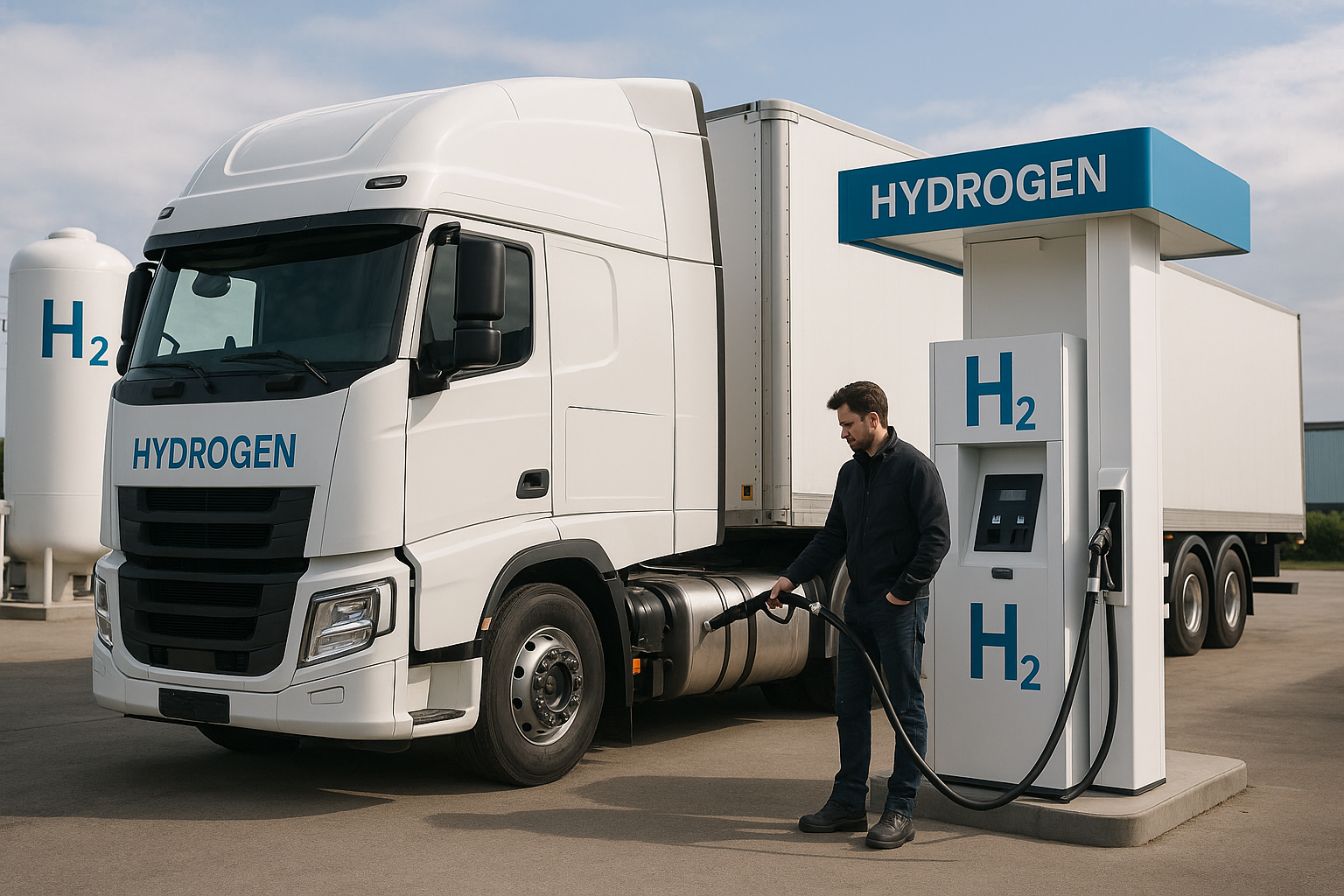
🌟 Transforming Industries Through Hydrogen Innovation
The revolution in hydrogen-powered freight transportation extends beyond environmental benefits to encompass economic transformation and energy system integration. As infrastructure matures and costs decline, hydrogen will become increasingly competitive with conventional fuels, accelerating adoption across diverse applications. The technology represents not merely an alternative fuel, but a fundamental reimagining of how heavy-duty transportation operates.
Success requires coordinated action among manufacturers, energy companies, fleet operators, and governments. The challenges are substantial, but the potential rewards—cleaner air, reduced carbon emissions, and sustainable economic growth—justify the investment and effort. Early adopters position themselves advantageously for a future where carbon-neutral transportation becomes not just preferable, but mandatory.
The future of freight transportation is being written today through bold investments, innovative technology, and collaborative partnerships. Hydrogen-powered vehicles represent a critical component of this future, offering a practical pathway toward decarbonizing one of the economy’s most essential yet polluting sectors. The journey toward widespread adoption has begun, and the destination promises a cleaner, more sustainable world for generations to come.