Fuel costs continue to rise, forcing businesses to rethink their logistics strategies. AI-powered route optimization has emerged as a game-changing solution for companies seeking sustainable efficiency.

🚛 The Rising Challenge of Fuel Costs in Modern Logistics
Transportation and logistics companies face unprecedented pressure as fuel prices fluctuate wildly in today’s volatile market. Traditional route planning methods often leave money on the table, with drivers traveling unnecessary miles, idling in traffic, and making inefficient stops that drain fuel tanks and company budgets alike.
The average fleet vehicle wastes approximately 20-30% of its fuel due to suboptimal routing decisions. This inefficiency translates to thousands of dollars per vehicle annually, creating a significant competitive disadvantage for businesses that fail to modernize their approach.
Manual route planning simply cannot compete with the computational power and data analysis capabilities that artificial intelligence brings to the table. Human planners, no matter how experienced, struggle to process the countless variables that affect route efficiency: traffic patterns, weather conditions, road closures, vehicle specifications, delivery time windows, and driver schedules.
Understanding AI-Powered Route Optimization Technology
Artificial intelligence transforms route planning from a reactive, experience-based process into a proactive, data-driven operation. Machine learning algorithms analyze millions of data points to identify patterns and predict optimal routes that minimize fuel consumption while maximizing delivery efficiency.
These sophisticated systems continuously learn from historical data, adapting to seasonal variations, traffic trends, and changing delivery requirements. The technology processes real-time information from multiple sources including GPS tracking, weather services, traffic monitoring systems, and vehicle telemetry.
Core Components of AI Route Optimization Systems
Modern AI-powered optimization platforms integrate several critical technologies working in concert. Geographic Information Systems (GIS) provide detailed mapping data, while machine learning models predict traffic conditions and estimate arrival times with remarkable accuracy.
Natural language processing enables drivers to interact with the system through voice commands, improving safety and convenience. Internet of Things (IoT) sensors installed in vehicles provide real-time data about fuel consumption, engine performance, and cargo status.
Cloud computing infrastructure ensures that route calculations happen instantly, even when processing complex scenarios involving hundreds of stops and dozens of vehicles. This computational power would be impossible with traditional on-premise systems.
💡 Quantifiable Benefits of AI-Driven Route Planning
Companies implementing AI-powered route optimization typically see fuel savings between 10-25% within the first year of deployment. These savings compound over time as the system learns more about specific operational patterns and continues to refine its recommendations.
Beyond fuel savings, businesses experience significant reductions in vehicle wear and tear. Optimized routes mean fewer miles driven, less engine strain, and extended maintenance intervals. This translates to lower repair costs and longer vehicle lifespans.
Driver productivity increases dramatically when routes are intelligently planned. Delivery personnel complete more stops per day, reduce overtime hours, and experience less stress from navigating inefficient routes or dealing with last-minute changes.
Environmental Impact and Sustainability Goals
Fuel efficiency directly correlates with reduced carbon emissions, making AI route optimization a powerful tool for companies committed to environmental sustainability. Every gallon of fuel saved prevents approximately 20 pounds of carbon dioxide from entering the atmosphere.
Businesses increasingly face pressure from customers, investors, and regulators to demonstrate measurable progress toward sustainability targets. AI-optimized routing provides concrete, verifiable data showing reduced environmental impact through lower fuel consumption and fewer emissions.
🔧 Key Features That Drive Fuel Savings
Dynamic rerouting capabilities allow AI systems to adapt instantly to changing conditions. When accidents, construction, or weather events impact planned routes, the algorithm recalculates optimal paths in real-time, preventing fuel-wasting detours and delays.
Load optimization algorithms ensure vehicles carry maximum capacity without exceeding weight limits, reducing the total number of trips required. The system considers package dimensions, weights, and destination clustering to maximize efficiency.
Time window optimization balances customer delivery preferences with fuel efficiency, identifying the most cost-effective sequence for completing stops while maintaining service quality standards.
Predictive Analytics for Proactive Planning
Advanced AI systems don’t just react to current conditions—they anticipate future scenarios. Predictive models analyze historical patterns to forecast traffic congestion, weather impacts, and demand fluctuations weeks or months in advance.
This foresight enables businesses to make strategic decisions about fleet deployment, staffing levels, and service offerings. Companies can adjust operations before problems arise rather than scrambling to respond after fuel-wasting inefficiencies have already occurred.
Seasonal variations, holiday patterns, and recurring events become manageable variables rather than disruptive surprises. The AI learns these patterns and automatically adjusts routing strategies to maintain optimal efficiency year-round.
Implementation Strategies for Maximum ROI
Successful AI route optimization implementation requires careful planning and phased deployment. Companies should begin by assessing their current routing processes, identifying pain points, and establishing baseline metrics for fuel consumption, delivery times, and customer satisfaction.
Pilot programs allow businesses to test AI optimization on a limited scale before full deployment. Starting with a single region or customer segment provides valuable insights and builds organizational confidence in the technology.
Data quality determines system effectiveness—garbage in, garbage out remains true even with sophisticated AI. Organizations must ensure accurate address information, updated vehicle specifications, and reliable traffic data feeds before expecting optimal results.
Integration with Existing Systems
Modern route optimization platforms offer APIs and connectors that integrate seamlessly with existing enterprise resource planning (ERP), customer relationship management (CRM), and warehouse management systems. This integration eliminates data silos and creates a unified operational view.
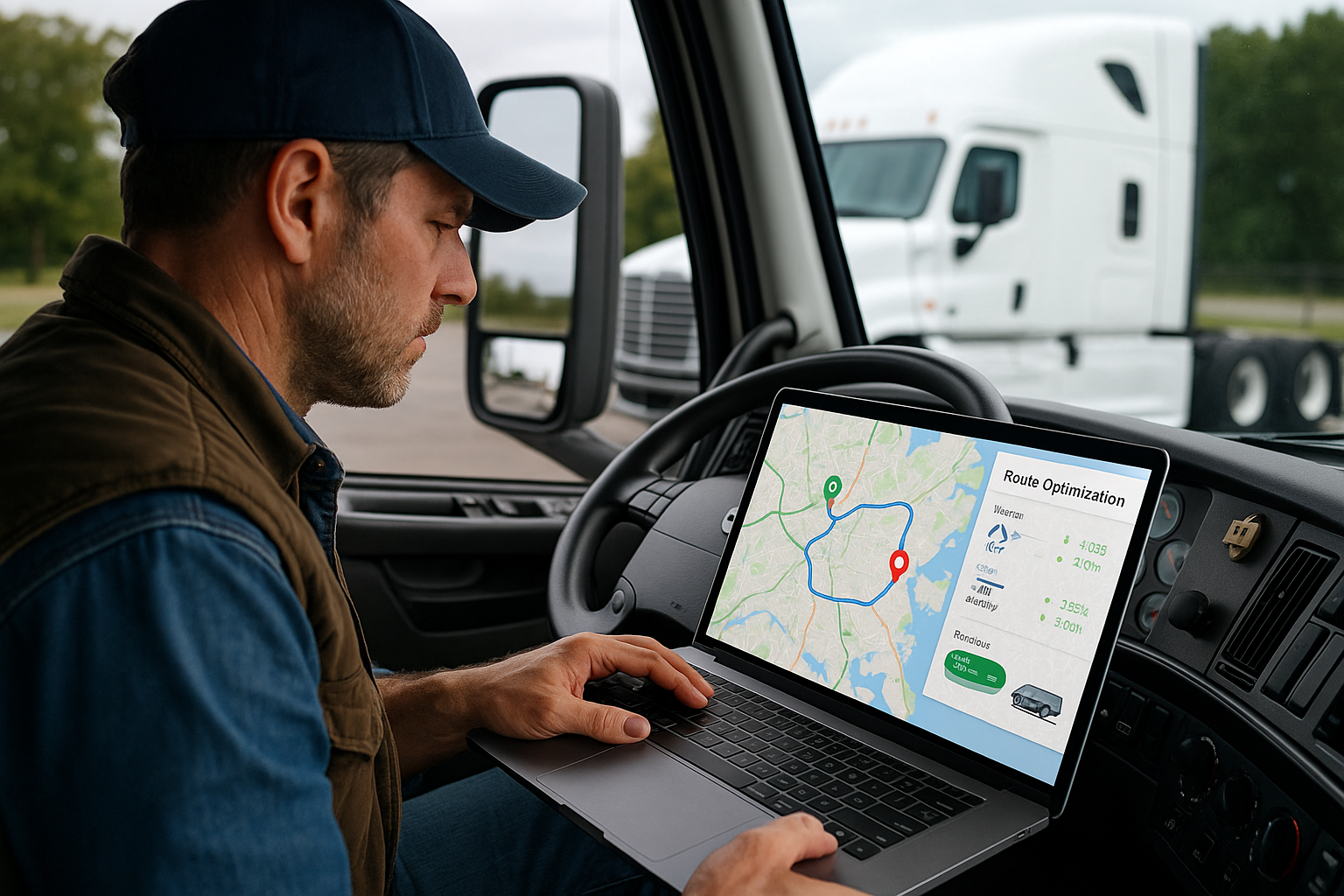
Driver mobile applications provide the critical interface between AI-generated routes and real-world execution. These apps must be intuitive, reliable, and feature-rich, offering turn-by-turn navigation, delivery confirmation, customer communication tools, and exception reporting.
Telematics integration connects vehicle sensors directly to the optimization platform, providing continuous feedback about fuel consumption, driving behaviors, and mechanical issues that might impact route efficiency.
📊 Measuring Success and Continuous Improvement
Establishing key performance indicators (KPIs) before implementation provides clear benchmarks for measuring success. Critical metrics include fuel cost per mile, deliveries per gallon, on-time delivery percentage, total miles driven, and average route completion time.
Regular performance reviews identify opportunities for further optimization. AI systems improve continuously, but human oversight ensures the technology aligns with evolving business objectives and customer expectations.
| Metric | Before AI Optimization | After AI Optimization | Improvement |
|---|---|---|---|
| Fuel Cost per Mile | $0.42 | $0.33 | 21% reduction |
| Daily Miles Driven | 185 | 152 | 18% reduction |
| Stops per Day | 47 | 58 | 23% increase |
| On-Time Delivery | 87% | 96% | 9% increase |
Driver Adoption and Training Considerations
Technology only delivers results when people embrace it. Driver buy-in proves critical for AI route optimization success. Many experienced drivers initially resist computer-generated routes, trusting their intuition over algorithms.
Effective training programs demonstrate how AI optimization makes drivers’ jobs easier rather than threatening their expertise. When drivers see reduced stress, fewer overtime hours, and more predictable schedules, resistance typically transforms into advocacy.
Gamification strategies encourage healthy competition among drivers, rewarding those who most effectively follow optimized routes and achieve fuel efficiency targets. Recognition programs celebrate successes and share best practices across the team.
🌐 Real-World Applications Across Industries
E-commerce delivery companies represent early adopters of AI route optimization, facing intense pressure to offer same-day and next-day delivery while controlling costs. These businesses process thousands of deliveries daily, making even small efficiency gains translate to massive savings.
Field service operations for utilities, telecommunications, and home services benefit enormously from intelligent routing. Technicians reach more customers per day, reducing fuel costs while improving service levels and customer satisfaction.
Food and beverage distribution requires precise timing to maintain product quality, making AI optimization essential. Temperature-sensitive cargo demands efficient routes that minimize transit time while optimizing fuel consumption.
Municipal and Government Fleet Applications
Government agencies managing large fleets discover substantial taxpayer savings through AI route optimization. School bus systems, waste collection services, and emergency response vehicles all benefit from intelligent routing that balances efficiency with service requirements.
Public sector organizations face unique constraints including union regulations, public accountability, and budget scrutiny. AI optimization helps these entities demonstrate fiscal responsibility while maintaining or improving service quality.
Overcoming Common Implementation Challenges
Data accuracy challenges plague many early implementations. Incorrect addresses, outdated maps, and incomplete vehicle information undermine system effectiveness. Organizations must invest in data cleansing and validation processes before expecting optimal results.
Change management resistance extends beyond drivers to dispatchers, managers, and executives accustomed to traditional methods. Successful implementations include comprehensive stakeholder engagement, clear communication about benefits, and patience during the learning curve.
Technology integration complexity can overwhelm IT departments, particularly in organizations with legacy systems. Partnering with experienced implementation consultants or choosing platforms with strong support teams mitigates these challenges.
Security and Privacy Considerations
GPS tracking and route optimization systems collect sensitive data about vehicle locations, driver behaviors, and customer addresses. Robust cybersecurity measures protect this information from breaches while ensuring compliance with privacy regulations.
Employee privacy concerns require careful balance. While businesses need operational data to optimize routes, drivers deserve protection against invasive monitoring. Clear policies define acceptable data usage and establish boundaries that respect personal privacy.
🚀 Future Trends in AI Route Optimization
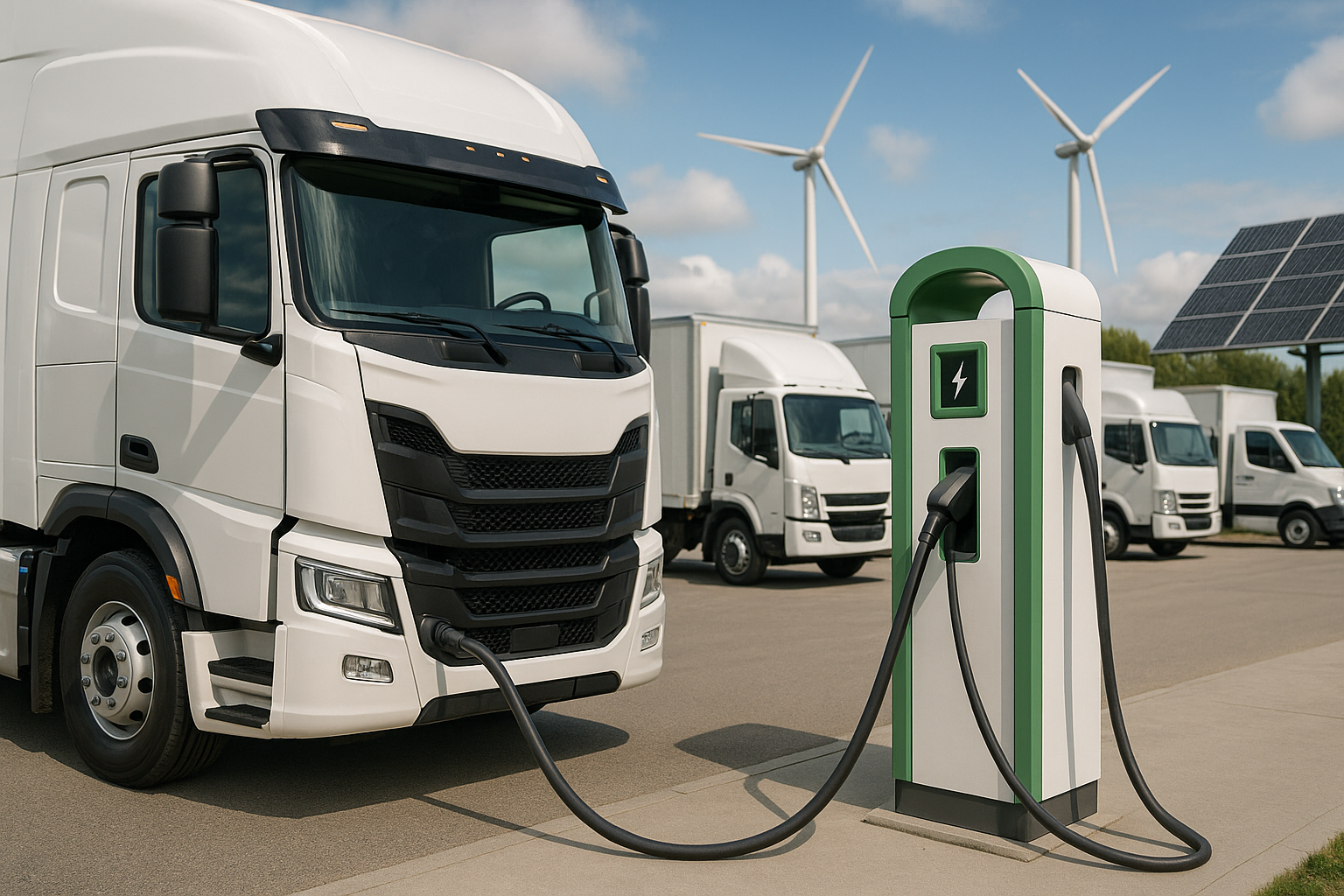
Electric vehicle integration represents the next frontier for route optimization AI. These systems must account for charging station locations, battery range limitations, and charging time requirements while maintaining delivery schedules and minimizing total energy costs.
Autonomous vehicle technology will eventually transform AI route optimization from driver assistance to complete vehicle control. Current optimization algorithms lay the groundwork for fully autonomous delivery fleets that operate with unprecedented efficiency.
Collaborative routing enables multiple companies to share delivery capacity, reducing empty miles and maximizing vehicle utilization. AI platforms facilitate these partnerships by identifying complementary routes and coordinating multi-company logistics.
Advanced Predictive Capabilities
Next-generation systems will predict mechanical issues before they cause breakdowns, automatically rerouting affected vehicles and scheduling maintenance during optimal windows. This predictive maintenance integration prevents costly roadside failures and improves fleet reliability.
Weather prediction integration continues improving, with AI systems increasingly capable of anticipating how specific conditions impact fuel consumption and adjusting routes accordingly. Micro-climate awareness helps avoid fuel-wasting scenarios like driving into strong headwinds or severe storms.
Selecting the Right AI Optimization Platform
The marketplace offers numerous route optimization solutions, each with distinct strengths and limitations. Businesses must evaluate options based on fleet size, industry requirements, integration needs, and budget constraints.
Scalability proves critical for growing organizations. The chosen platform should accommodate increasing vehicle counts, expanding service territories, and evolving operational complexity without requiring complete system replacement.
- Real-time route adjustment capabilities for dynamic conditions
- Multi-stop optimization supporting complex delivery scenarios
- Mobile app functionality for driver communication and navigation
- Comprehensive analytics and reporting for performance tracking
- Integration APIs for seamless connection with existing systems
- Predictive traffic modeling based on historical patterns
- Customer communication tools for delivery notifications
- Load optimization algorithms for maximum vehicle utilization
Cost-Benefit Analysis for Decision Making
AI route optimization platforms range from affordable cloud-based subscriptions to enterprise-level solutions requiring significant capital investment. Organizations must calculate total cost of ownership including licensing fees, implementation costs, training expenses, and ongoing support.
Return on investment calculations should account for both direct fuel savings and indirect benefits like improved customer satisfaction, reduced vehicle maintenance, increased delivery capacity, and enhanced driver retention. Most businesses achieve positive ROI within 12-18 months of implementation.
🎯 Maximizing Long-Term Value from AI Investment
AI route optimization delivers maximum value when treated as an ongoing strategic initiative rather than a one-time technology deployment. Organizations should establish continuous improvement processes that leverage system insights to refine operations constantly.
Regular system updates ensure access to the latest algorithmic improvements and feature enhancements. Vendors continually refine their AI models based on aggregate data from thousands of customers, and staying current provides competitive advantages.
Expanding use cases beyond basic route planning unlocks additional value. Advanced users leverage AI platforms for strategic network design, facility location planning, and long-term capacity modeling that guides business growth decisions.
The transportation landscape continues evolving rapidly, with fuel costs, environmental regulations, customer expectations, and competitive pressures all intensifying. AI-powered route optimization provides the adaptability businesses need to thrive amid constant change, transforming logistics from a cost center into a strategic differentiator.
Companies that embrace intelligent routing today position themselves for sustained success tomorrow, building operational foundations capable of supporting growth while maintaining efficiency regardless of market conditions. The technology has matured beyond experimental status into a proven solution delivering measurable results across industries worldwide.