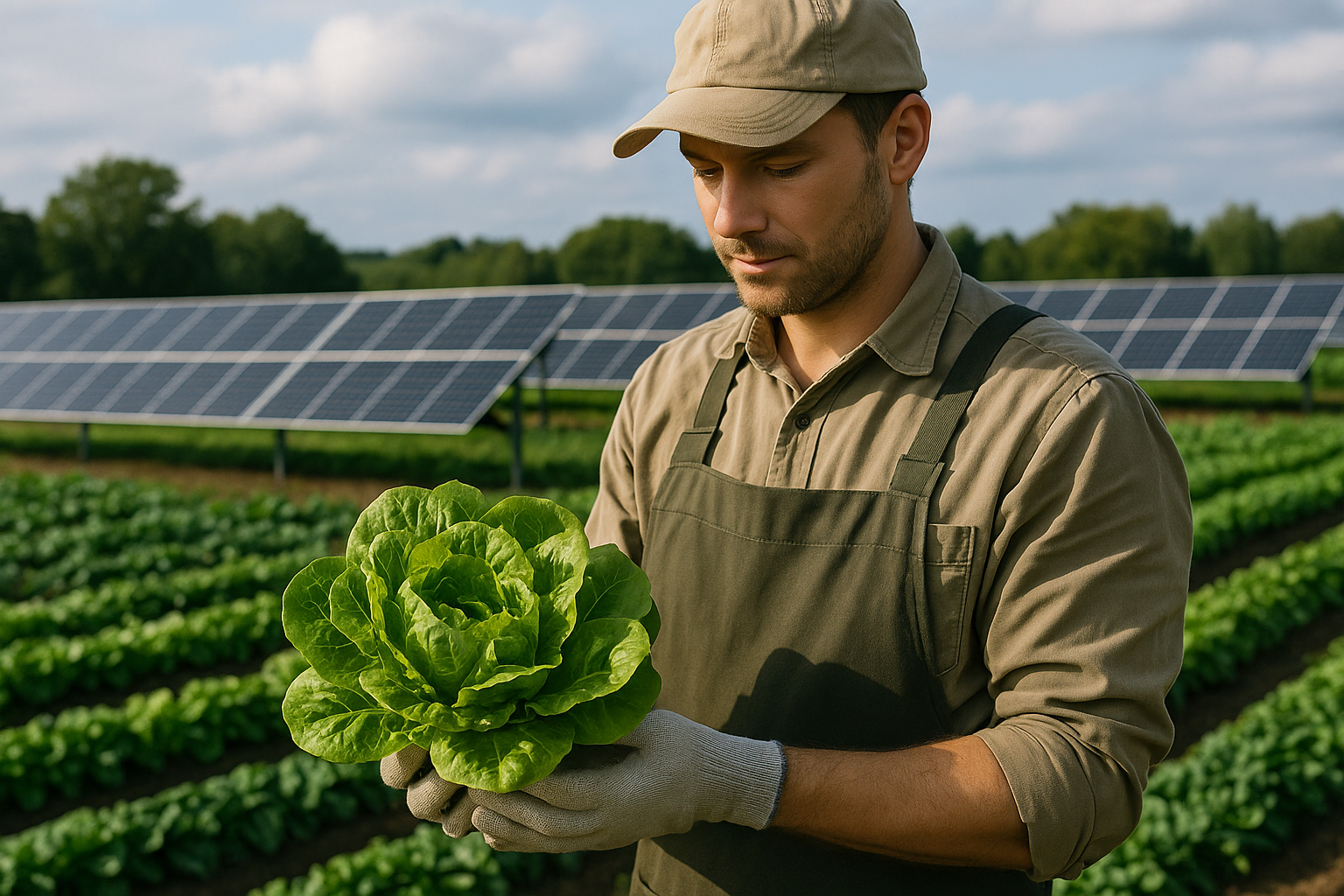
The global shift toward eco-friendly packaging represents a transformative movement that is reshaping how businesses approach product delivery, consumer experience, and environmental responsibility in the 21st century.

🌱 Understanding the Eco-Friendly Packaging Revolution
Eco-friendly packaging has evolved from a niche concern to a mainstream imperative that touches every sector of the global economy. As consumers become increasingly aware of environmental issues, businesses face mounting pressure to adopt sustainable practices that minimize ecological footprints while maintaining product integrity and brand appeal.
The traditional packaging industry has long relied on materials that contribute significantly to pollution, landfill waste, and ocean contamination. Plastic packaging alone accounts for approximately 40% of total plastic production worldwide, with much of it designed for single-use applications that create lasting environmental damage.
Today’s sustainable packaging solutions prioritize materials that are biodegradable, compostable, recyclable, or derived from renewable resources. This paradigm shift reflects a deeper understanding that packaging choices have far-reaching consequences for ecosystems, human health, and climate stability.
Innovative Materials Transforming the Packaging Landscape
Materials innovation stands at the heart of the eco-friendly packaging revolution. Scientists, engineers, and designers are developing remarkable alternatives that challenge conventional assumptions about what packaging can be and how it should function.
Mushroom-Based Packaging: Nature’s Engineering Marvel
Mycelium packaging represents one of the most fascinating developments in sustainable materials. Created from agricultural waste and fungal roots, this material grows into custom shapes within days, creating protective packaging that completely biodegrades within weeks of disposal. Companies like Dell and IKEA have already adopted mycelium packaging for specific product lines, demonstrating its commercial viability.
The production process requires minimal energy compared to traditional materials, and the resulting product offers impressive strength-to-weight ratios. As cultivation techniques improve and costs decline, mushroom-based packaging is positioned to capture significant market share in protective packaging applications.
Seaweed and Algae: Ocean-Derived Solutions
Marine plants offer extraordinary potential for sustainable packaging development. Seaweed grows rapidly without requiring fresh water, pesticides, or fertilizers, making it an exceptionally sustainable resource. Innovators have developed seaweed-based films that can replace plastic wrapping for food products, with some varieties even being edible.
Algae-based packaging materials provide similar benefits while offering unique properties such as natural antimicrobial characteristics that can extend product shelf life. These ocean-derived alternatives address plastic pollution while creating new economic opportunities for coastal communities.
Plant-Based Bioplastics: Rethinking Polymer Production
Bioplastics derived from corn starch, sugarcane, cassava, and other plant materials offer familiar functionality with reduced environmental impact. Unlike petroleum-based plastics, these materials come from renewable sources and can be designed to biodegrade under specific conditions.
However, not all bioplastics are created equal. Some require industrial composting facilities to break down properly, while others perform similarly to conventional plastics in natural environments. Transparent labeling and proper waste management infrastructure are essential for realizing the full environmental benefits of plant-based bioplastics.
Design Principles Driving Sustainable Packaging Innovation
Material selection represents only one dimension of eco-friendly packaging. Thoughtful design approaches multiply environmental benefits while enhancing user experience and brand differentiation.
Minimalism and Material Reduction
The most sustainable packaging is often the least packaging. Design strategies that reduce material usage without compromising product protection deliver immediate environmental and economic benefits. This approach challenges designers to optimize structural efficiency and eliminate unnecessary components.
Lightweight designs reduce transportation emissions, lower shipping costs, and decrease raw material consumption. Leading brands have embraced minimalist aesthetics that communicate environmental consciousness while creating distinctive shelf presence.
Modular and Reusable Systems
Packaging designed for multiple use cycles fundamentally challenges the disposable mindset that dominates consumer culture. Refillable containers, returnable shipping boxes, and modular packaging systems create circular economies where materials retain value across numerous product lifecycles.
These systems require coordination between manufacturers, retailers, and consumers, but they offer substantial environmental advantages. Companies implementing deposit-return schemes and refill stations are demonstrating that reusable packaging can succeed at commercial scale.
Mono-Material Construction for Enhanced Recyclability
Packaging that combines multiple materials—plastic labels on glass bottles, aluminum-lined paper cartons—creates recycling challenges that often result in materials being sent to landfills despite recyclable components. Mono-material designs that use single material types dramatically improve recyclability and processing efficiency.
This design philosophy requires creative problem-solving to achieve necessary barrier properties, printability, and structural integrity using a single material. Advances in material science are making mono-material solutions increasingly practical across diverse applications.
🔄 The Circular Economy Framework for Packaging
Sustainable packaging strategies align with broader circular economy principles that reimagine production and consumption patterns. Rather than the linear “take-make-dispose” model, circular approaches design waste out of systems entirely.
In packaging contexts, circularity means considering the complete material lifecycle from sourcing through end-of-life scenarios. Products become nutrients for subsequent production cycles rather than waste. This systems-thinking approach reveals opportunities for innovation that linear models obscure.
Extended producer responsibility programs that require manufacturers to manage packaging disposal create powerful incentives for designing with end-of-life considerations. These regulatory frameworks are expanding globally, accelerating the transition toward circular packaging systems.
Industry Sectors Leading the Sustainable Packaging Transition
Food and Beverage: Addressing Single-Use Dominance
The food industry generates enormous packaging waste volumes, making it a critical sector for sustainable innovation. Fresh produce, prepared meals, and beverages all present unique packaging challenges related to preservation, safety, and convenience.
Compostable food containers, edible packaging films, and plant-based bottles are gaining traction as viable alternatives. Major beverage companies have committed to using recycled content in bottles and developing packaging that can be effectively recycled or composted.
E-Commerce: Rethinking Shipping and Delivery
The explosive growth of online shopping has created new packaging challenges related to protective materials, box sizing, and delivery efficiency. E-commerce packaging must protect products during shipping while avoiding excessive material use.
Innovative companies are developing right-sized packaging solutions that reduce dimensional weight charges and material waste. Biodegradable packing peanuts, paper-based air pillows, and returnable shipping containers represent progress toward sustainable e-commerce packaging.
Cosmetics and Personal Care: Beauty Meets Responsibility
The beauty industry has embraced sustainable packaging as a brand differentiator, with consumers increasingly choosing products based on environmental credentials. Refillable containers, bamboo packaging, and concentrated products requiring less packaging are becoming mainstream.
Waterless formulations that eliminate heavy water content reduce packaging size and shipping emissions while delivering equivalent performance. These innovations demonstrate that sustainability and premium positioning can reinforce rather than conflict with each other.
📊 Economic Considerations and Business Case for Eco-Friendly Packaging
Sustainable packaging decisions involve complex cost-benefit analyses that extend beyond simple material price comparisons. While eco-friendly alternatives may carry higher upfront costs, comprehensive assessments often reveal favorable economics.
Reduced material usage lowers raw material expenses and shipping costs. Improved brand reputation attracts environmentally conscious consumers willing to pay premium prices. Regulatory compliance avoids potential fines and market access restrictions. Employee attraction and retention improve when companies demonstrate environmental commitment.
As sustainable packaging technologies mature and production scales increase, cost differentials continue narrowing. Some eco-friendly options now achieve price parity with conventional alternatives, eliminating cost as an adoption barrier.
Consumer Behavior and Market Demand Dynamics
Consumer attitudes toward packaging sustainability have shifted dramatically in recent years. Research consistently shows that significant percentages of consumers consider environmental factors when making purchasing decisions, particularly among younger demographics.
However, purchase intentions don’t always translate directly into behavior. Price sensitivity, convenience expectations, and habitual shopping patterns sometimes override environmental preferences. Successful sustainable packaging strategies balance environmental performance with consumer expectations around functionality and aesthetics.
Transparent communication about packaging choices helps consumers understand sustainability features and dispose of packaging appropriately. Clear labeling regarding recyclability, compostability, and proper disposal methods empowers consumers to participate effectively in circular systems.
🌍 Regulatory Landscape Shaping Packaging Choices
Government policies increasingly influence packaging decisions through bans on specific materials, recycled content requirements, extended producer responsibility mandates, and disposal fees. The European Union’s plastics directive, single-use plastic bans in numerous jurisdictions, and packaging taxes create powerful incentives for sustainable innovation.
These regulatory frameworks reflect growing recognition that market forces alone cannot adequately address packaging waste challenges. Policy interventions level competitive playing fields and accelerate transitions that benefit public health and environmental quality.
Companies operating across multiple jurisdictions must navigate varying regulatory requirements, creating complexity but also driving adoption of sustainable practices that meet the strictest standards globally.
Challenges and Barriers to Widespread Adoption
Despite significant progress, substantial obstacles impede universal adoption of eco-friendly packaging. Infrastructure limitations mean that compostable packaging often ends up in landfills where it cannot properly decompose. Recycling systems struggle with contamination and material sorting challenges that reduce recovery rates.
Performance concerns persist around barrier properties, shelf life extension, and durability for certain applications. While innovations continue closing performance gaps, some sustainable alternatives cannot yet match conventional materials across all metrics.
Supply chain complexity creates coordination challenges, particularly for smaller businesses lacking resources to reformulate packaging strategies. Education gaps among designers, manufacturers, retailers, and consumers slow adoption and reduce effectiveness of sustainable packaging solutions.
Emerging Technologies Accelerating the Transition
Technological developments promise to overcome current limitations and unlock new sustainable packaging possibilities. Nanotechnology applications improve barrier properties of bio-based materials without additional layers. Advanced recycling techniques break plastics into molecular components for infinite recycling cycles.
Digital technologies enable smart packaging that communicates freshness information, reducing food waste. Blockchain systems create transparency around material sourcing and recycling outcomes. Artificial intelligence optimizes packaging design for minimal material use while maintaining structural integrity.
These technological tools complement material innovations, creating integrated solutions that address multiple sustainability dimensions simultaneously.
🚀 Strategic Implementation for Organizations
Organizations seeking to transition toward sustainable packaging benefit from structured approaches that align environmental goals with business objectives. Comprehensive material assessments evaluate environmental impacts across complete lifecycles rather than focusing narrowly on single attributes.
Collaboration with suppliers, customers, and industry partners accelerates innovation and shares implementation costs. Pilot programs test sustainable alternatives on limited product lines before full-scale rollouts, reducing risks and generating learning.
Clear communication strategies explain packaging choices to customers, building brand loyalty and encouraging proper disposal. Measurement systems track progress toward sustainability goals, creating accountability and identifying improvement opportunities.
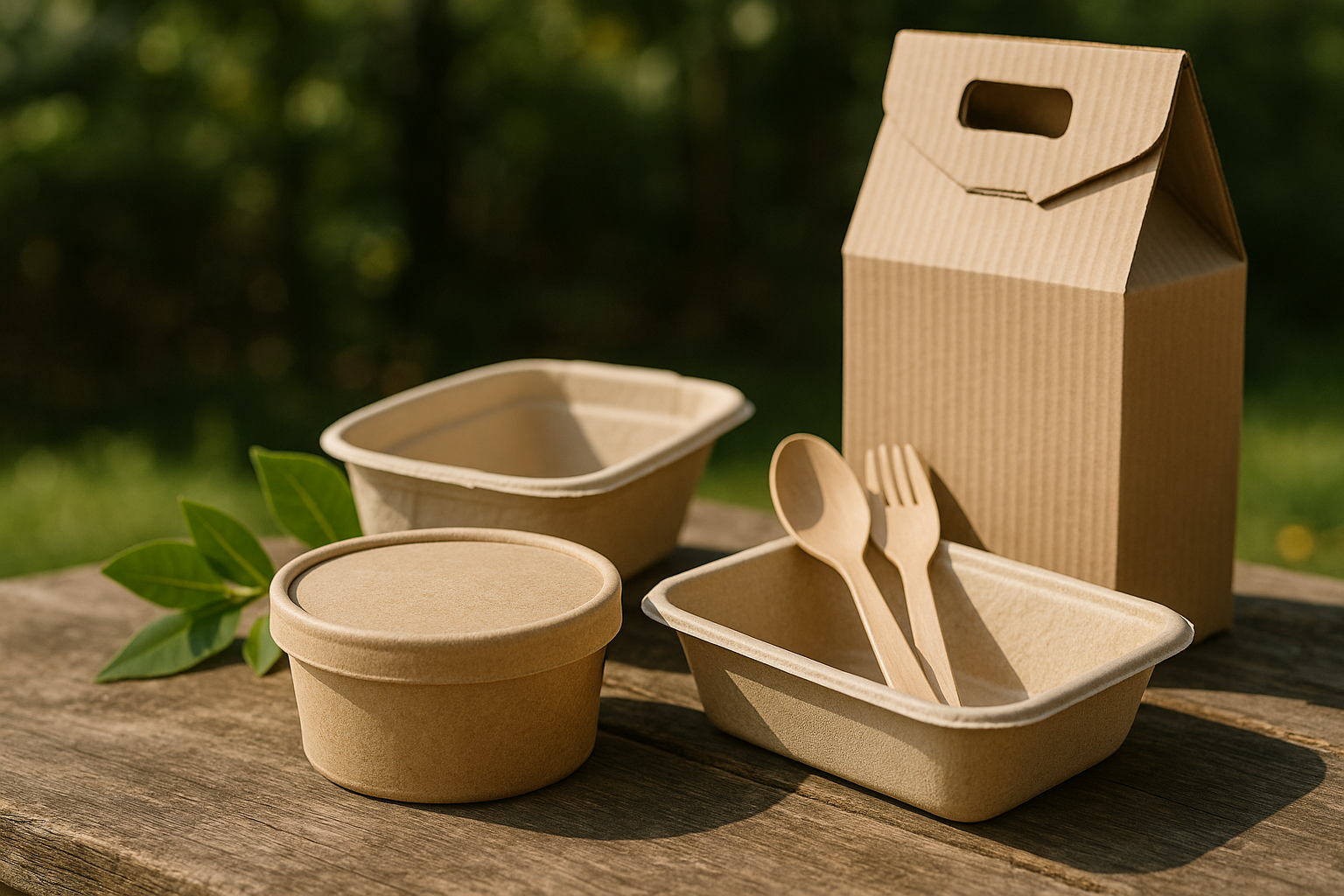
Looking Toward a Regenerative Packaging Future
The sustainability conversation is evolving beyond harm reduction toward regenerative approaches that actively restore environmental health. Future packaging systems may incorporate materials that sequester carbon, support biodiversity, or improve soil quality when returned to natural environments.
Packaging could become nutrient sources rather than waste streams, contributing positively to ecological systems. This ambitious vision requires continued innovation, systems-level collaboration, and commitment to reimagining fundamental relationships between commerce and nature.
As materials science advances, circular economy models mature, and consumer expectations evolve, eco-friendly packaging will transition from competitive advantage to baseline expectation. Organizations that lead this transition position themselves for long-term success in an increasingly sustainability-conscious marketplace.
The future of packaging lies not in perfecting disposal methods for waste, but in eliminating the concept of waste altogether through thoughtful design, innovative materials, and systems that recognize packaging as valuable resources deserving continuous circulation. This transformation represents both tremendous challenge and extraordinary opportunity for creating commerce that serves rather than degrades the living systems upon which all prosperity ultimately depends.