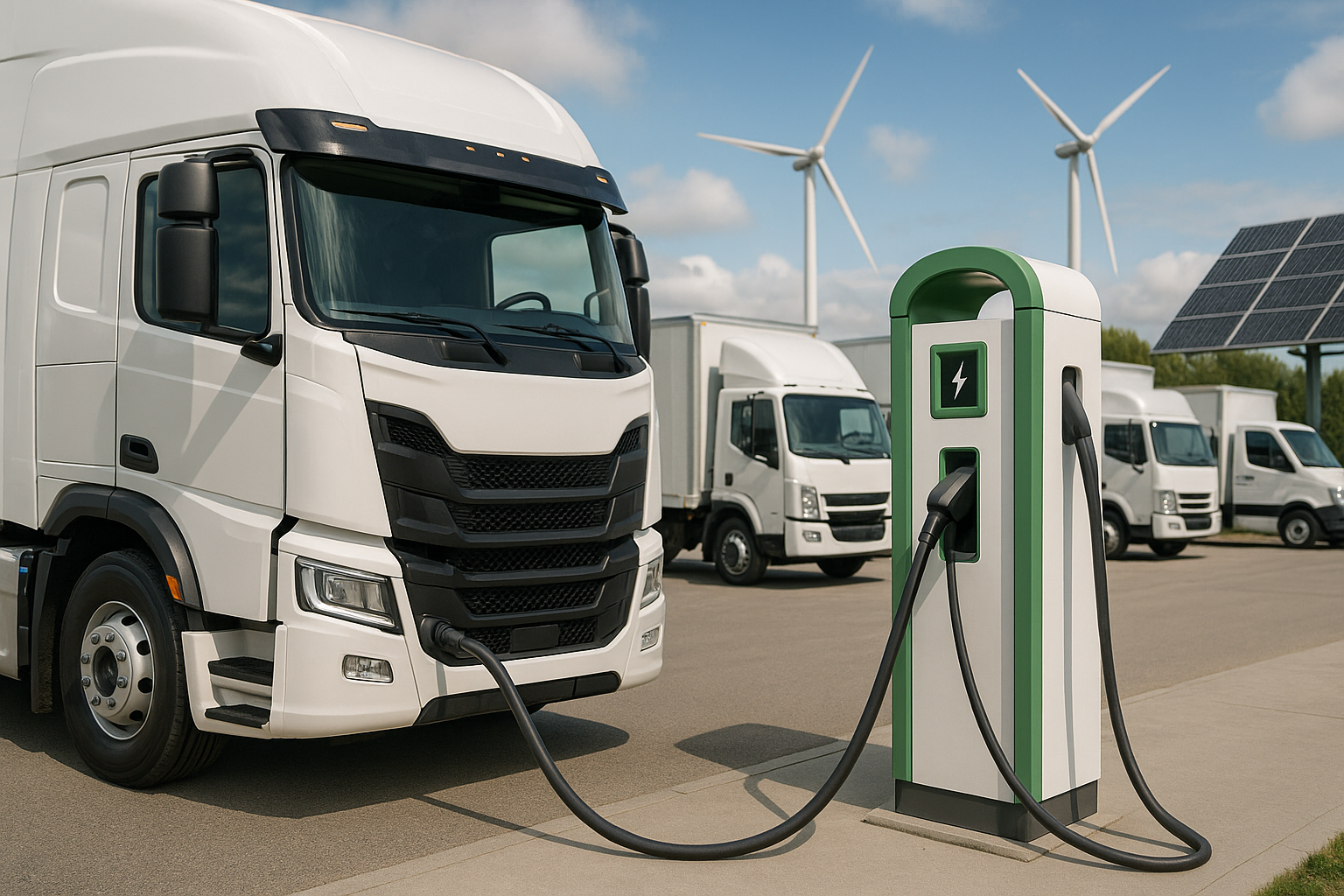
The logistics industry is experiencing a transformative shift as Resilience as a Service emerges as the critical framework for navigating disruption, uncertainty, and unprecedented global challenges.

🚀 The Dawn of Resilience as a Service in Modern Logistics
Supply chains worldwide have faced relentless pressure over recent years. From pandemic-induced shutdowns to geopolitical tensions, natural disasters, and cyber threats, the vulnerabilities in traditional logistics systems have been laid bare. In response, forward-thinking organizations are embracing a revolutionary approach: Resilience as a Service (RaaS). This paradigm shift transforms how companies design, implement, and maintain logistics operations that can withstand virtually any disruption.
RaaS represents more than just a buzzword or temporary trend. It embodies a fundamental reimagining of logistics infrastructure, where resilience becomes a continuous, scalable service rather than a one-time implementation. By leveraging cloud-based platforms, artificial intelligence, and real-time data analytics, RaaS enables organizations to anticipate problems before they occur, adapt instantly to changing conditions, and maintain operational continuity regardless of external pressures.
The traditional approach to logistics resilience involved building redundancy into systems—maintaining excess inventory, establishing backup suppliers, and creating contingency plans that often remained theoretical until crisis struck. This reactive methodology proved costly and insufficient when facing the complex, interconnected challenges of today’s global supply chains. RaaS flips this model entirely, offering proactive, intelligent, and adaptive solutions that evolve with emerging threats.
Understanding the Core Components of Resilience as a Service
At its foundation, RaaS integrates multiple technological and operational elements into a cohesive ecosystem. These components work synergistically to create logistics networks that are not just resistant to disruption but actually thrive in volatile environments.
Real-Time Visibility and Predictive Analytics
The cornerstone of any RaaS platform is comprehensive visibility across the entire supply chain. Modern solutions deploy IoT sensors, GPS tracking, and blockchain technology to provide granular, real-time insights into every shipment, warehouse, and transportation asset. This visibility extends beyond simple location tracking to include environmental conditions, handling quality, and security status.
Predictive analytics powered by machine learning algorithms process this constant stream of data to identify patterns, forecast potential disruptions, and recommend preemptive actions. Weather events, port congestion, labor strikes, and equipment failures can be anticipated days or weeks in advance, allowing logistics managers to reroute shipments, adjust inventory levels, or secure alternative suppliers before problems materialize.
Dynamic Network Optimization
Traditional logistics networks operate on relatively static routes and relationships. RaaS introduces dynamic optimization capabilities that continuously evaluate and adjust network configurations based on current conditions. If a primary shipping route becomes compromised, the system automatically identifies optimal alternatives, considering factors like cost, time, capacity, and reliability.
This flexibility extends to supplier relationships as well. Rather than depending on rigid contracts with fixed suppliers, RaaS platforms maintain connections with diverse, pre-vetted alternatives that can be activated instantly when primary sources face disruptions. This supplier ecosystem approach distributes risk while maintaining quality standards and compliance requirements.
Automated Response and Self-Healing Systems
Perhaps the most revolutionary aspect of RaaS is its autonomous response capability. When disruptions occur, the system doesn’t wait for human intervention. Pre-configured workflows and AI-driven decision engines automatically implement contingency protocols, reroute shipments, reallocate resources, and communicate with stakeholders.
These self-healing systems operate continuously, detecting anomalies and implementing corrections before minor issues escalate into major failures. The result is significantly reduced downtime, minimized losses, and maintained customer satisfaction even during challenging circumstances.
💼 The Business Case: Why Organizations Are Embracing RaaS
The transition from traditional logistics management to Resilience as a Service represents a significant investment in technology, training, and organizational change. However, the business case for this transformation has become increasingly compelling as organizations calculate the true cost of supply chain disruptions.
Quantifiable Risk Reduction
Studies across industries reveal that supply chain disruptions cost organizations billions annually in lost revenue, expedited shipping fees, customer churn, and brand damage. A single significant disruption can erase months or years of profit margins. RaaS platforms dramatically reduce both the frequency and severity of disruption impacts through proactive management and rapid response capabilities.
Organizations implementing comprehensive RaaS solutions report 40-60% reductions in disruption-related costs within the first year. These savings compound over time as the systems learn from each incident and continuously improve their predictive and responsive capabilities.
Competitive Advantage Through Reliability
In markets where products and prices have become increasingly commoditized, reliability emerges as a critical differentiator. Companies that consistently deliver on time, even during industry-wide disruptions, earn customer loyalty and command premium positioning. RaaS transforms reliability from an aspiration into a measurable, achievable standard.
This reliability advantage extends beyond customer satisfaction to strategic partnerships. Manufacturers, retailers, and distributors increasingly select logistics partners based on demonstrated resilience capabilities. Organizations offering RaaS-enabled services win contracts and retain relationships that less prepared competitors cannot secure.
Scalability Without Proportional Risk
Traditional logistics expansion requires proportional increases in infrastructure, personnel, and management complexity—each addition multiplying potential failure points. RaaS platforms enable organizations to scale operations geographically and volumetrically while actually reducing relative risk exposure.
Cloud-based architectures, standardized processes, and automated management tools mean that a logistics network spanning ten countries isn’t exponentially more vulnerable than one serving a single region. This scalability without corresponding risk accumulation unlocks growth opportunities previously considered too risky or complex to pursue.
🔧 Technology Stack Powering the RaaS Revolution
The effectiveness of Resilience as a Service depends entirely on the underlying technology infrastructure. Modern RaaS platforms integrate cutting-edge solutions across multiple domains to deliver comprehensive resilience capabilities.
Cloud Computing and Edge Processing
Cloud infrastructure provides the scalable computing power, storage capacity, and global accessibility that RaaS solutions require. However, resilience also demands edge computing capabilities that enable local processing and decision-making even when connectivity to central systems is compromised.
This hybrid architecture ensures that critical functions like shipment tracking, warehouse operations, and route optimization continue functioning during network outages or cyber incidents. Data synchronizes automatically when connections restore, maintaining system-wide coherence without creating single points of failure.
Artificial Intelligence and Machine Learning
AI algorithms form the intelligent core of RaaS platforms, processing vast datasets to identify patterns, predict outcomes, and recommend actions. These systems improve continuously through machine learning, becoming more accurate and effective with each operational cycle.
Natural language processing enables AI assistants to communicate with human operators, answering questions, explaining recommendations, and facilitating smooth human-machine collaboration. Computer vision technologies monitor warehouses and cargo for security threats, quality issues, and operational inefficiencies without requiring constant human surveillance.
Blockchain for Trust and Transparency
Supply chain resilience requires trust among multiple parties—suppliers, carriers, customs authorities, and customers. Blockchain technology creates immutable records of transactions, custody transfers, and certifications that all parties can verify independently.
This distributed ledger approach eliminates disputes about what happened, when, and under whose responsibility. Smart contracts automatically execute agreed-upon actions when specific conditions are met, reducing delays and ensuring consistent policy enforcement across complex, multi-party logistics operations.
📊 Real-World Applications and Success Stories
The theoretical benefits of RaaS become tangible when examining actual implementations across various industries. Organizations from e-commerce giants to specialized manufacturers have demonstrated the transformative impact of resilience-focused logistics approaches.
Global E-Commerce Fulfillment
Major online retailers operate logistics networks spanning continents, managing millions of SKUs and processing countless orders daily. These companies pioneered many RaaS concepts out of necessity—their business models simply cannot tolerate significant disruptions without massive customer and revenue losses.
By implementing comprehensive visibility systems, predictive analytics, and automated response protocols, leading e-commerce operations maintain delivery commitments even during peak seasons, weather emergencies, and transportation disruptions that cripple competitors. Their systems automatically shift inventory between fulfillment centers, select optimal carriers for current conditions, and proactively communicate with customers about any unavoidable delays.
Pharmaceutical Cold Chain Management
Temperature-sensitive pharmaceutical products require unbroken cold chain maintenance from manufacturing through final delivery. Any temperature excursion can compromise product efficacy and patient safety, making resilience absolutely critical.
RaaS platforms monitoring pharmaceutical logistics deploy sophisticated sensor networks, predictive maintenance for refrigeration equipment, and instant response protocols for any temperature deviations. These systems have reduced product losses by over 80% while ensuring regulatory compliance and patient safety even during equipment failures or transportation delays.
Automotive Just-in-Time Manufacturing
Automotive manufacturers operate on razor-thin inventory margins, with production lines dependent on precisely timed component deliveries. A single missing part can halt entire assembly operations, costing hundreds of thousands of dollars per hour.
By implementing RaaS solutions, automotive logistics networks maintain production continuity despite supplier disruptions, transportation challenges, and quality issues. The systems identify at-risk shipments hours or days before they would impact production, automatically sourcing alternatives or adjusting production schedules to minimize disruption.
🌐 Overcoming Implementation Challenges
Despite compelling benefits, transitioning to Resilience as a Service involves significant challenges that organizations must address strategically to ensure successful adoption and sustained value realization.
Legacy System Integration
Most organizations operate logistics networks built on decades of incremental technology additions, resulting in fragmented systems with limited interoperability. Integrating modern RaaS platforms with these legacy environments requires careful planning, phased implementation, and often custom middleware development.
Successful implementations typically adopt an incremental approach, gradually connecting existing systems to the RaaS platform while building new capabilities in parallel. This strategy maintains operational continuity while progressively expanding resilience capabilities across the organization.
Organizational Change Management
RaaS fundamentally changes how logistics operations function, shifting decision-making from experienced human operators to AI-driven systems. This transition can provoke resistance from personnel who fear obsolescence or distrust automated decision-making.
Effective change management emphasizes how RaaS augments rather than replaces human expertise. By handling routine decisions and monitoring tasks, these systems free experienced personnel to focus on strategic planning, exception handling, and continuous improvement initiatives where human judgment remains irreplaceable.
Data Quality and Governance
RaaS platforms depend entirely on accurate, timely data. Organizations with poor data quality, inconsistent standards, or inadequate governance structures will struggle to realize RaaS benefits regardless of how sophisticated their technology platforms may be.
Successful implementations invest heavily in data infrastructure before deploying advanced resilience capabilities. This foundation includes standardized data definitions, quality validation processes, governance policies, and the cultural commitment to data accuracy across all organizational levels.
🔮 The Future Trajectory of Resilience as a Service
As RaaS technology matures and adoption accelerates, several emerging trends point toward even more transformative capabilities in the coming years. Organizations planning their logistics strategies should consider these developments when making technology investments and partnership decisions.
Autonomous Vehicles and Delivery Systems
Self-driving trucks, delivery drones, and autonomous warehouse robots will integrate seamlessly with RaaS platforms, creating end-to-end logistics networks with minimal human intervention. These systems will operate continuously, optimize themselves in real-time, and recover from disruptions faster than any human-managed operation could achieve.
The resilience implications are profound—autonomous systems eliminate human-factor failures, operate in hazardous conditions, and scale instantly to meet demand fluctuations. RaaS platforms will orchestrate these autonomous assets, balancing efficiency, cost, and resilience across increasingly complex logistics ecosystems.
Quantum Computing for Optimization
Current optimization algorithms, while impressive, still struggle with the computational complexity of global logistics networks involving thousands of variables and constraints. Quantum computing promises exponential increases in processing power, enabling real-time optimization of previously intractable problems.
Future RaaS platforms leveraging quantum computing will evaluate millions of scenario combinations instantly, identifying optimal responses to disruptions that classical computers couldn’t compute quickly enough to implement effectively. This capability will push the boundaries of what resilient logistics can achieve.
Collaborative Resilience Networks
The next evolution of RaaS extends beyond individual organizations to industry-wide resilience networks where competing companies share capacity, information, and resources during disruptions. These collaborative approaches recognize that many threats affect entire industries or regions simultaneously, making isolated responses suboptimal.
Blockchain-based platforms will facilitate these collaborative networks, enabling competitors to cooperate on resilience while maintaining proprietary information security. During crises, participating organizations can access shared backup capacity, alternative suppliers, and collective intelligence that no single company could maintain independently.
💡 Strategic Recommendations for Logistics Leaders
For organizations considering RaaS adoption or currently implementing resilience initiatives, several strategic principles maximize success probability and accelerate value realization.
Start with comprehensive risk assessment that identifies your most critical vulnerabilities and highest-impact potential disruptions. Not all resilience investments deliver equal value—focus resources on addressing the threats most likely to cause significant business harm.
Select technology partners and platforms based on proven track records, not just impressive demonstrations. RaaS is too critical to organizational survival to risk on unproven solutions. Prioritize vendors with successful implementations in similar industries and comparable operational complexity.
Build resilience capabilities incrementally rather than attempting complete transformation overnight. Quick wins demonstrate value, build organizational confidence, and fund subsequent phases. Each implementation cycle provides learning opportunities that inform better decisions in future stages.
Invest heavily in personnel development alongside technology deployment. The most sophisticated RaaS platform delivers minimal value if your team lacks the skills to operate it effectively. Training, change management, and cultural adaptation require resources comparable to technology investments.
Establish clear metrics for measuring resilience improvement and track them consistently. Beyond operational indicators like on-time delivery and disruption recovery time, measure business outcomes including customer satisfaction, revenue protection, and competitive positioning. These metrics justify ongoing investment and guide continuous improvement efforts.

🎯 The Unstoppable Future of Resilient Logistics
The logistics industry stands at an inflection point where traditional approaches simply cannot cope with the complexity, volatility, and interconnectedness of modern supply chains. Resilience as a Service represents not just an incremental improvement but a fundamental reimagining of how logistics networks operate and survive in challenging environments.
Organizations embracing this transformation gain significant competitive advantages through superior reliability, reduced risk exposure, and the agility to scale operations without proportional vulnerability increases. Those resisting change face mounting costs from increasing disruption frequency and customers gravitating toward more reliable alternatives.
The technology enabling RaaS continues advancing rapidly, with artificial intelligence, blockchain, autonomous systems, and quantum computing promising even more transformative capabilities in the near future. Early adopters establishing resilience capabilities today position themselves to leverage these emerging technologies as they mature, compounding their competitive advantages.
Most importantly, RaaS shifts the conversation from whether disruptions will occur to how quickly and effectively organizations respond when they inevitably do. This mindset transformation—from prevention to resilience—enables logistics professionals to design networks that are truly unstoppable, maintaining operations and serving customers regardless of external challenges.
The revolution is underway. Forward-thinking organizations are already operating logistics networks that would have seemed impossible just years ago—networks that anticipate problems before they occur, adapt instantly to changing conditions, and recover from disruptions faster than competitors can even detect them. The question facing every logistics leader is not whether to embrace Resilience as a Service, but how quickly they can implement it before competitive pressures make the transition even more urgent.