Modern supply chains demand speed, accuracy, and flexibility. Smart conveyor and sortation systems are no longer optional—they’re essential for businesses aiming to stay competitive in today’s fast-paced marketplace. 🚀

Understanding the Foundation: What Makes Conveyor Systems “Smart”?
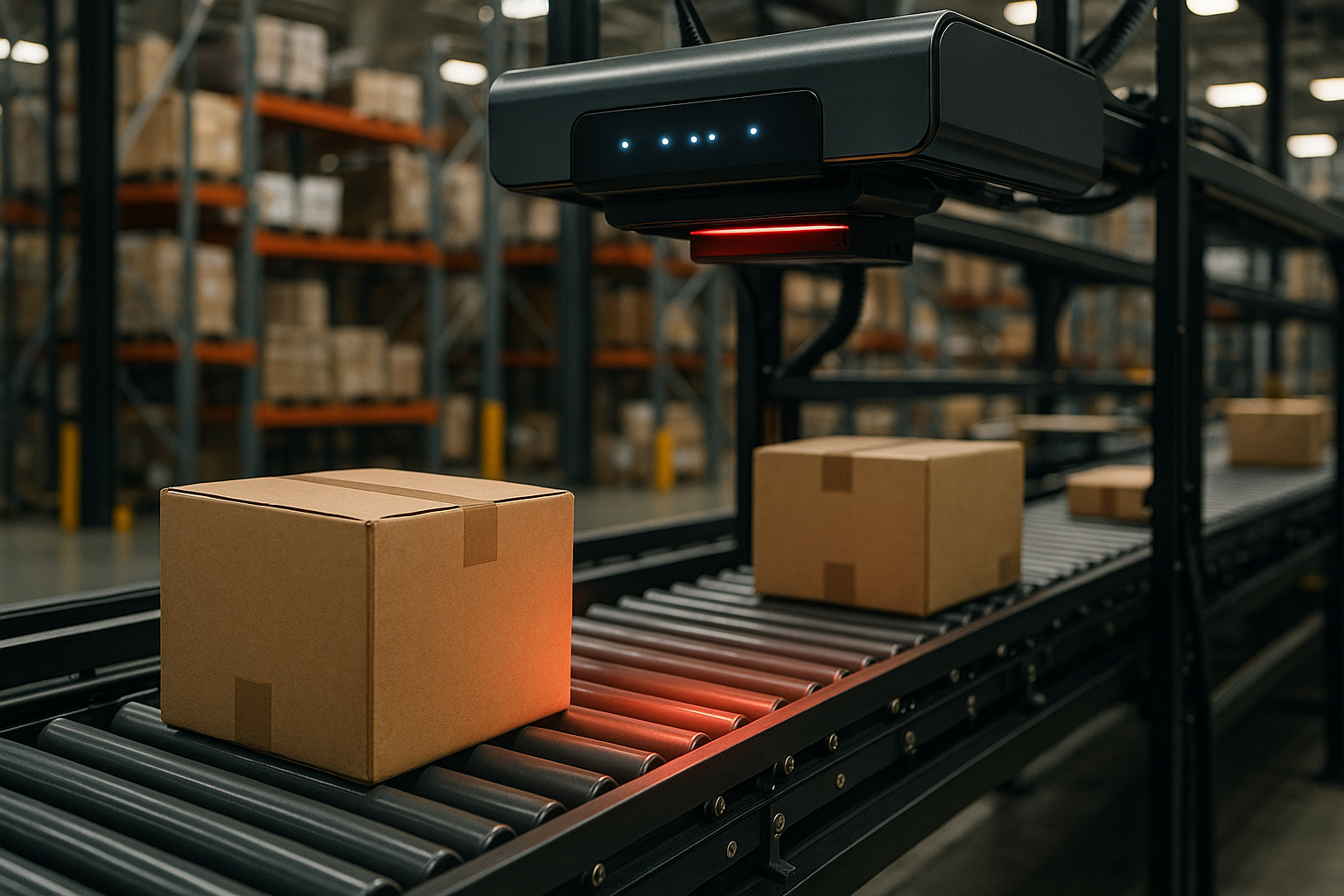
Traditional conveyor systems have served warehouses and distribution centers for decades, but the integration of intelligent technologies has transformed these mechanical workhorses into sophisticated data-driven platforms. Smart conveyor systems incorporate sensors, software, and connectivity that enable real-time monitoring, predictive maintenance, and dynamic routing capabilities.
The fundamental difference lies in the level of automation and decision-making capability. Where conventional systems simply move products from point A to point B, smart systems actively analyze throughput, identify bottlenecks, optimize flow patterns, and communicate with other warehouse management systems to create a synchronized operation.
These advanced systems utilize IoT sensors that continuously collect data on equipment performance, product movement, and operational efficiency. This information feeds into analytics platforms that provide actionable insights, allowing managers to make informed decisions that directly impact productivity and profitability.
The Evolution of Sortation Technology in Modern Warehousing
Sortation technology has experienced remarkable advancement over the past decade. What began as simple slide-based systems has evolved into highly sophisticated operations capable of processing thousands of items per hour with near-perfect accuracy. The integration of artificial intelligence and machine learning has elevated sortation from a mechanical process to an intelligent operation.
Modern sortation systems employ various technologies depending on the specific application requirements. High-speed shoe sorters can handle delicate items while maintaining exceptional throughput rates. Cross-belt sorters provide gentle handling for fragile products while achieving impressive sorting accuracy. Tilt-tray systems offer versatility in handling diverse product types and sizes.
The choice of sortation technology depends on multiple factors including product characteristics, volume requirements, accuracy demands, and budget constraints. However, all modern systems share common features: they’re faster, more accurate, and significantly more intelligent than their predecessors.
Key Technologies Driving Smart Sortation Systems
Several technological innovations have converged to create today’s intelligent sortation capabilities. Vision systems equipped with advanced cameras and image processing algorithms can identify, measure, and classify products in milliseconds. These systems work seamlessly with barcode scanners and RFID readers to ensure accurate routing decisions.
Machine learning algorithms continuously improve sorting accuracy by learning from historical data and adjusting parameters in real-time. When anomalies occur, these systems can automatically adjust operations to maintain optimal performance without human intervention.
Predictive analytics capabilities enable proactive maintenance scheduling, reducing unexpected downtime and extending equipment lifespan. By analyzing vibration patterns, temperature fluctuations, and performance metrics, smart systems can predict component failures before they occur.
Tangible Benefits: How Smart Systems Transform Operations 📊
The implementation of smart conveyor and sortation technologies delivers measurable improvements across multiple operational dimensions. Organizations consistently report significant gains in throughput capacity, often seeing increases of 30-50% without expanding physical footprint or adding labor resources.
Accuracy improvements represent another crucial benefit. Modern sortation systems routinely achieve accuracy rates exceeding 99.9%, dramatically reducing mis-sorts, returns, and customer complaints. This precision translates directly into improved customer satisfaction and reduced operational costs associated with correcting errors.
Labor efficiency gains prove substantial as well. While smart systems don’t eliminate the need for human workers, they do allow employees to focus on higher-value tasks rather than repetitive manual sorting. This shift often improves job satisfaction while simultaneously boosting productivity.
Quantifying the Return on Investment
Understanding the financial impact of smart conveyor and sortation investments requires examining both direct and indirect benefits. Direct savings include reduced labor costs, decreased error rates, and lower maintenance expenses through predictive maintenance capabilities.
Indirect benefits often prove equally valuable. Improved throughput enables businesses to handle peak volumes without temporary staffing increases. Enhanced accuracy strengthens customer relationships and brand reputation. Real-time visibility into operations facilitates better decision-making across the organization.
Most organizations implementing comprehensive smart conveyor and sortation systems report ROI periods ranging from 18 to 36 months, depending on facility size, volume characteristics, and system sophistication. The payback accelerates as operational teams become more proficient at leveraging system capabilities.
Integration Challenges and Strategic Solutions
While the benefits of smart conveyor and sortation technologies are compelling, successful implementation requires careful planning and execution. Integration with existing warehouse management systems, enterprise resource planning platforms, and other operational technologies presents technical challenges that demand thorough consideration.
Legacy systems may lack the APIs or data exchange capabilities required for seamless integration. Organizations must evaluate whether to upgrade existing systems, implement middleware solutions, or pursue complete system replacements. Each approach carries different cost implications and implementation timelines.
Change management represents another critical success factor. Warehouse personnel accustomed to traditional operations need training and support to maximize the value of new technologies. Resistance to change can undermine even the most sophisticated technical implementations if not properly addressed.
Building the Business Case for Investment
Securing organizational buy-in for smart conveyor and sortation investments requires presenting a compelling business case that addresses both quantitative and qualitative factors. Financial justification should include detailed analysis of current operational costs, projected savings, and expected ROI timelines.
Beyond financial metrics, successful proposals address strategic considerations such as competitive positioning, scalability for future growth, and alignment with broader organizational digital transformation initiatives. Demonstrating how these technologies enable rather than simply improve operations strengthens the case considerably.
Engaging stakeholders across departments ensures comprehensive consideration of impacts and benefits. Operations, IT, finance, and customer service teams all bring valuable perspectives that can strengthen both the proposal and eventual implementation.
Emerging Trends Shaping the Future of Material Handling ✨
The evolution of smart conveyor and sortation technologies continues accelerating as new innovations emerge. Autonomous mobile robots increasingly complement fixed conveyor systems, creating hybrid solutions that combine the reliability of conveyors with the flexibility of mobile automation.
Artificial intelligence applications extend beyond basic machine learning to include advanced capabilities like computer vision for quality inspection, natural language processing for voice-directed operations, and sophisticated optimization algorithms that continuously refine system performance.
Sustainability considerations are driving innovations in energy efficiency, with modern systems consuming significantly less power than previous generations while delivering superior performance. Regenerative braking, variable frequency drives, and intelligent power management contribute to reduced environmental impact.
The Role of Digital Twins in System Optimization
Digital twin technology represents one of the most promising developments in smart conveyor and sortation systems. These virtual replicas of physical systems enable organizations to simulate operational scenarios, test configuration changes, and optimize performance without disrupting actual operations.
Through digital twins, managers can model the impact of volume increases, evaluate alternative routing strategies, and identify potential bottlenecks before they manifest in real operations. This capability proves invaluable for seasonal planning, facility expansions, and continuous improvement initiatives.
The integration of digital twins with real-time operational data creates a powerful feedback loop. Insights gained from virtual simulations inform physical system adjustments, while actual performance data refines digital models, creating increasingly accurate predictive capabilities.
Industry-Specific Applications and Success Stories
Different industries leverage smart conveyor and sortation technologies in unique ways tailored to their specific requirements. E-commerce operations prioritize high-speed sorting capabilities to meet aggressive delivery commitments, with systems designed to handle millions of parcels daily during peak periods.
Pharmaceutical and healthcare logistics demand precision handling and stringent chain-of-custody tracking. Smart systems in these environments incorporate advanced verification technologies and environmental monitoring to ensure product integrity throughout distribution.
Food and beverage operations require specialized conveyor systems capable of handling temperature-sensitive products while maintaining hygiene standards. Stainless steel construction, washdown capabilities, and integration with cold chain monitoring characterize systems serving this sector.
Retail Distribution: Meeting Omnichannel Demands
The retail sector faces unique challenges as omnichannel fulfillment strategies require facilities to efficiently process both bulk store shipments and individual e-commerce orders. Smart sortation systems enable this flexibility through dynamic routing capabilities that seamlessly handle diverse order profiles.
Leading retailers report dramatic improvements in order fulfillment speed and accuracy after implementing smart sortation technologies. Same-day and next-day delivery promises become operationally feasible when sortation systems can quickly and accurately process high volumes of mixed orders.
The ability to scale operations dynamically proves particularly valuable during peak shopping periods. Smart systems automatically adjust throughput rates and routing priorities based on real-time demand, maintaining service levels without manual intervention.
Selecting the Right Technology Partner 🤝
Choosing a technology provider represents one of the most critical decisions in implementing smart conveyor and sortation systems. The ideal partner brings not only technical expertise but also industry knowledge, implementation experience, and ongoing support capabilities.
Evaluating potential partners should include assessment of their technology roadmap to ensure alignment with future needs. Questions about integration capabilities, scalability options, and upgrade paths reveal whether solutions will support long-term organizational objectives.
References from similar organizations provide valuable insights into implementation experiences, support quality, and system reliability. Site visits to operational installations offer firsthand perspective on system performance and user satisfaction.
Implementation Best Practices for Lasting Success
Successful implementations share common characteristics regardless of industry or facility size. Comprehensive planning that includes detailed process mapping, clear success metrics, and realistic timelines establishes the foundation for positive outcomes.
Phased implementation approaches often prove more successful than attempting complete system deployments simultaneously. Starting with pilot programs or specific operational areas allows teams to gain experience, refine processes, and build confidence before broader rollouts.
Ongoing optimization represents the final critical success factor. Smart conveyor and sortation systems generate vast amounts of operational data that reveal opportunities for continuous improvement. Organizations that establish regular review processes and empower teams to act on insights realize substantially greater long-term value.
Maximizing Long-Term Value Through Continuous Innovation
The journey toward supply chain excellence doesn’t end with system implementation. Organizations that view smart conveyor and sortation technologies as platforms for continuous innovation rather than static solutions achieve superior long-term results.
Regular system assessments identify opportunities to leverage new capabilities, adjust configurations for changing business requirements, and incorporate emerging technologies. Software updates often unlock additional functionality without hardware investments.
Cultivating a culture of innovation encourages operational teams to experiment with new approaches, share insights, and contribute to ongoing optimization efforts. When employees understand how their input directly improves operations, engagement and innovation naturally increase.
The competitive landscape continues evolving, with customer expectations rising and operational margins tightening. Smart conveyor and sortation technologies provide the foundation for meeting these challenges while positioning organizations for future success. By embracing these powerful tools and committing to continuous improvement, supply chain leaders can revolutionize their operations and secure lasting competitive advantages in an increasingly demanding marketplace. 🎯