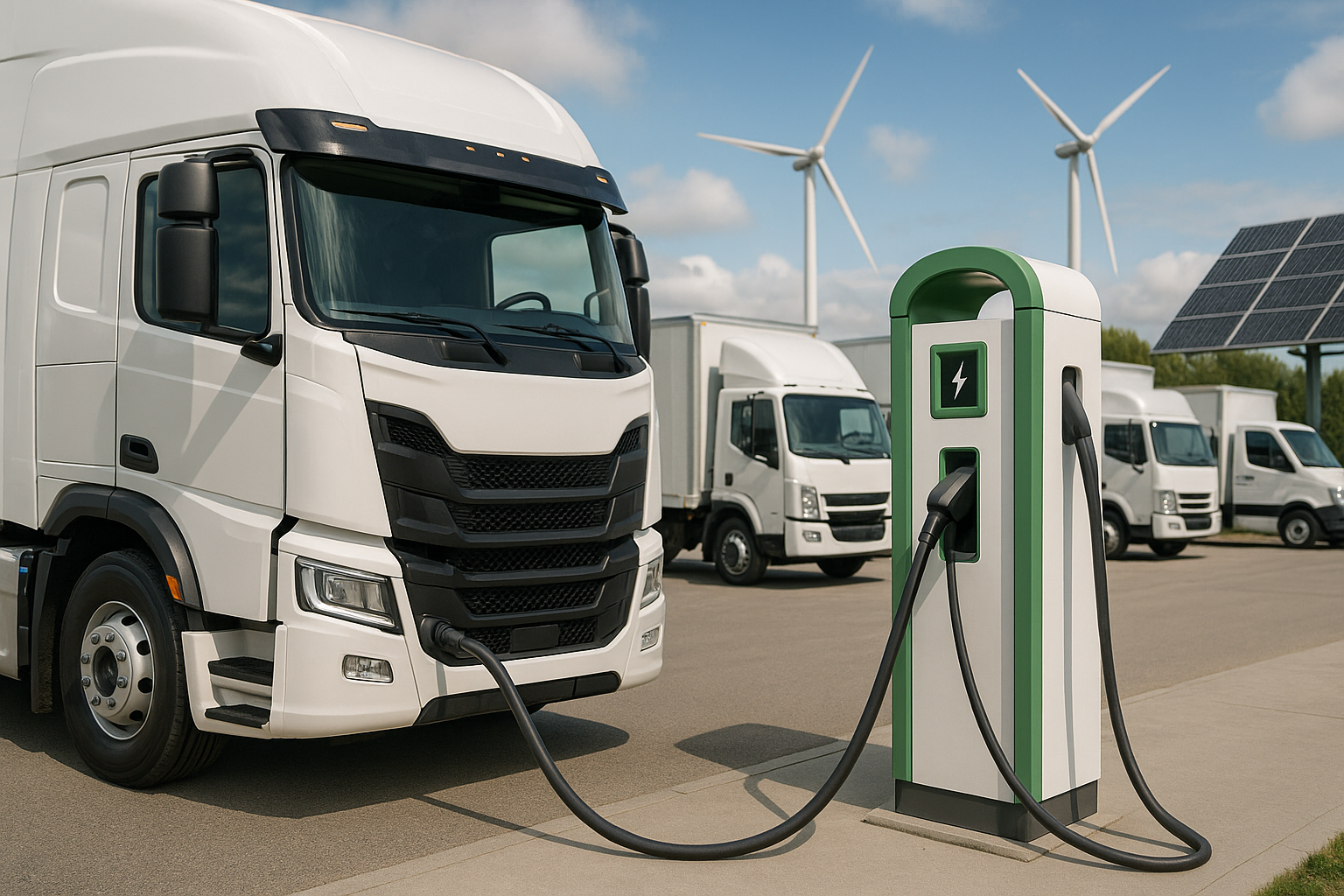
Transportation is a cornerstone of modern society, yet it remains one of the largest contributors to global greenhouse gas emissions, demanding urgent sustainable transformation.

🌍 Understanding the Full Picture of Transportation Impact
When we think about vehicle emissions, our minds typically jump to tailpipe exhaust billowing from cars on congested highways. However, this narrow view misses a substantial portion of transportation’s environmental footprint. Lifecycle analysis offers a comprehensive methodology that examines environmental impacts from cradle to grave—from raw material extraction through manufacturing, operation, and eventual disposal or recycling.
The transportation sector accounts for approximately 27% of global CO2 emissions, making it the fastest-growing source of greenhouse gases worldwide. But these operational emissions represent only part of the story. The full lifecycle perspective reveals hidden environmental costs embedded in vehicle production, fuel extraction and processing, infrastructure development, and end-of-life management.
By employing lifecycle analysis (LCA), researchers and policymakers can make more informed decisions about which technologies and strategies genuinely advance sustainability goals. This holistic approach prevents the problem of shifting environmental burdens from one stage to another, ensuring that solutions deliver net positive outcomes across the entire value chain.
🔬 What Lifecycle Analysis Reveals About Different Transportation Modes
Lifecycle analysis examines five critical stages in transportation: raw material extraction, manufacturing and assembly, fuel production and distribution, operational use, and end-of-life processing. Each stage contributes differently depending on the vehicle type and power source.
Internal Combustion Engine Vehicles: The Traditional Baseline
Conventional gasoline and diesel vehicles have dominated roads for over a century. Their lifecycle emissions profile shows relatively modest manufacturing impacts compared to alternatives, but substantial operational emissions. Approximately 70-80% of a typical internal combustion engine (ICE) vehicle’s lifetime emissions occur during the use phase, primarily from burning fossil fuels.
The extraction and refining of petroleum products adds another 15-20% to the total lifecycle footprint before the fuel even reaches the tank. Meanwhile, vehicle manufacturing contributes roughly 10-15% of lifetime emissions, with steel production and component fabrication being the most energy-intensive processes.
Electric Vehicles: Shifting the Emissions Profile
Electric vehicles (EVs) fundamentally alter the lifecycle emissions equation. Their manufacturing phase is significantly more carbon-intensive than conventional vehicles, primarily due to battery production. Lithium-ion battery manufacturing can account for 30-40% of an EV’s total lifecycle emissions, with mining operations for lithium, cobalt, and nickel creating substantial environmental impacts.
However, EVs compensate for higher manufacturing emissions through dramatically reduced operational impacts. When powered by renewable electricity, EVs can achieve lifecycle emissions reductions of 60-70% compared to gasoline vehicles. Even when charged from grid electricity with significant fossil fuel content, most EVs still demonstrate lifecycle emissions advantages after 2-3 years of typical use.
The geographic context matters enormously for EV sustainability. In regions with coal-heavy electricity grids, the lifecycle benefits diminish considerably. Conversely, areas with abundant hydroelectric, wind, or solar power see EVs deliver maximum environmental advantages.
Hybrid Technologies: Finding Middle Ground
Hybrid electric vehicles occupy an interesting middle position in lifecycle analysis. They combine smaller batteries with conventional engines, resulting in manufacturing emissions between traditional ICE and full EVs. Their operational efficiency improvements deliver 25-35% emissions reductions compared to comparable gasoline vehicles over their lifetimes.
Plug-in hybrids add complexity to the analysis, as their lifecycle impacts depend heavily on charging behavior and electric-only driving range utilization. When predominantly operated in electric mode with clean grid power, they approach full EV benefits. However, if rarely charged, they may perform only marginally better than conventional hybrids.
⛽ The Hidden Costs of Fuel Production
Fuel lifecycle analysis—often termed “well-to-wheel” or “well-to-wake” for maritime applications—reveals that emissions begin long before combustion occurs. For petroleum products, extraction, transportation, refining, and distribution add approximately 20-25% to the direct combustion emissions.
Unconventional fossil fuels like tar sands or oil shale demonstrate even higher upstream emissions, sometimes increasing the well-to-wheel footprint by 40-50% compared to conventional crude oil. These “carbon-intensive” fuel sources are increasingly entering global supply chains as conventional reserves deplete.
Alternative Fuels Under the Microscope
Biofuels present a complex lifecycle picture. First-generation biofuels from food crops like corn ethanol show modest lifecycle benefits—typically 20-30% emissions reductions—but raise concerns about land use change, water consumption, and food security. When indirect land use changes are factored in, some biofuel pathways may actually increase net emissions.
Advanced biofuels from agricultural waste, algae, or dedicated energy crops offer more promising lifecycle profiles, potentially delivering 60-80% emissions reductions. However, production scalability and economic viability remain challenging.
Hydrogen fuel cells introduce another layer of complexity. “Green hydrogen” produced through renewable-powered electrolysis offers excellent lifecycle performance, but current production is dominated by “grey hydrogen” from natural gas reforming, which carries substantial carbon footprints. The lifecycle benefits of hydrogen vehicles depend entirely on production methods.
🏗️ Manufacturing Matters More Than We Thought
Recent lifecycle analyses have elevated the importance of manufacturing emissions in sustainability discussions. As operational emissions decrease through electrification and efficiency improvements, the relative proportion of manufacturing impacts grows significantly.
Battery production represents the most carbon-intensive component of EV manufacturing. Creating a typical 60 kWh battery pack generates approximately 4-8 tons of CO2 equivalent, depending on the electricity source powering the factory. European battery gigafactories powered by renewable energy demonstrate substantially lower carbon footprints than facilities relying on coal-heavy grids.
Materials Selection and Circular Economy Approaches
The choice of materials profoundly influences manufacturing emissions. Aluminum, increasingly used for vehicle lightweighting, requires enormous energy for primary production but offers excellent recyclability. Recycled aluminum production uses only 5% of the energy needed for primary production, making circular economy approaches particularly valuable.
Carbon fiber composites deliver exceptional strength-to-weight ratios but carry very high manufacturing emissions. Steel remains dominant for most vehicle structures, with emissions varying considerably depending on production methods. Electric arc furnaces using recycled steel scrap demonstrate 60-70% lower emissions than traditional blast furnaces.
Automotive manufacturers are increasingly adopting lifecycle thinking in design phases, selecting materials based on total environmental impact rather than just operational efficiency gains. This systems-level approach identifies opportunities for net emissions reductions across the full value chain.
🚂 Beyond Personal Vehicles: Public Transit and Freight
Lifecycle analysis of public transportation consistently demonstrates environmental advantages over personal vehicle use, even when those personal vehicles are electric. A fully-loaded electric bus or train distributes manufacturing and operational emissions across dozens or hundreds of passengers, dramatically reducing per-capita impacts.
Rail transportation shows particularly impressive lifecycle performance. Electric trains powered by renewable sources achieve among the lowest per-passenger-kilometer emissions of any transportation mode. Even diesel freight trains move cargo with significantly lower lifecycle emissions than trucking, delivering approximately 3-4 times better fuel efficiency per ton-mile.
The Aviation Challenge
Aviation presents one of the most difficult decarbonization challenges. Aircraft lifecycle emissions are dominated by operational fuel consumption, with manufacturing contributing relatively modest portions of lifetime impacts. However, the altitude at which emissions occur amplifies their climate forcing effects through contrail formation and atmospheric chemistry interactions.
Sustainable aviation fuels offer the most near-term pathway for emissions reductions, potentially delivering 50-80% lifecycle benefits depending on feedstock and production methods. However, production scalability and cost premiums remain substantial obstacles. Electric propulsion faces fundamental physics constraints for long-distance flight, though hybrid-electric regional aircraft may become viable within the next decade.
📊 Comparing Transportation Modes: The Data Speaks
| Transportation Mode | Lifecycle Emissions (g CO2e/passenger-km) | Primary Emission Source |
|---|---|---|
| Gasoline Car (single occupant) | 180-220 | Operational fuel consumption |
| Electric Car (renewable grid) | 50-70 | Battery manufacturing |
| Electric Car (coal-heavy grid) | 120-150 | Electricity generation |
| Electric Bus (average occupancy) | 30-50 | Battery manufacturing |
| Electric Train | 15-30 | Infrastructure construction |
| Bicycle | 5-10 | Manufacturing |
| Walking | 0 | N/A |
These figures illustrate why mode shift strategies—encouraging transitions from personal vehicles to public transit, cycling, and walking—deliver such powerful sustainability benefits. Even accounting for full lifecycle impacts, active transportation and well-utilized public transit dramatically outperform personal vehicle use.
🔄 End-of-Life: Closing the Loop
Vehicle end-of-life management has traditionally received insufficient attention in sustainability discussions, yet it represents both significant challenges and opportunities. Approximately 75-85% of a conventional vehicle’s mass can be recycled, with metals recovery being particularly well-established.
Electric vehicle batteries present unique end-of-life considerations. First-life automotive use typically ends when batteries retain 70-80% of original capacity—still valuable for stationary energy storage applications. Second-life battery applications can extend useful service by 10-15 years, significantly improving lifecycle economics and environmental performance.
Eventually, batteries require recycling to recover valuable materials like lithium, cobalt, and nickel. Current recycling processes recover 50-95% of these materials depending on technology and element, with continuous improvements expanding recovery rates. Closed-loop recycling systems that feed recovered materials directly back into battery manufacturing offer the most sustainable pathway, potentially reducing mining-related impacts by 40-60%.
🌱 Policy Implications and Strategic Pathways
Lifecycle analysis insights should fundamentally inform transportation policy development. Regulations focused exclusively on tailpipe emissions miss opportunities and may create perverse incentives. Comprehensive policies that account for full lifecycle impacts deliver more effective sustainability outcomes.
Several policy approaches show particular promise:
- Lifecycle-based vehicle standards: Regulations that set targets for total lifecycle emissions rather than just operational impacts encourage manufacturers to optimize across all stages.
- Grid decarbonization acceleration: Since EV emissions depend heavily on electricity sources, renewable energy deployment multiplies electrification benefits.
- Circular economy incentives: Policies supporting recycling infrastructure, second-life applications, and design-for-disassembly amplify sustainability gains.
- Mode shift investments: Infrastructure supporting public transit, cycling, and walkability delivers immediate and substantial lifecycle emissions reductions.
- Material efficiency standards: Encouraging lightweight design and low-carbon materials in manufacturing phases reduces embedded emissions.
🎯 Individual Choices Through the Lifecycle Lens
Understanding lifecycle implications empowers better individual decisions. While personal choices cannot substitute for systemic policy changes, they contribute meaningfully to sustainability transitions.
Vehicle longevity matters significantly from a lifecycle perspective. Extending a vehicle’s useful life by several years amortizes manufacturing emissions over more kilometers traveled, improving the overall carbon profile. Proper maintenance that preserves efficiency maximizes this benefit.
For those purchasing new vehicles, lifecycle considerations suggest several priorities. In regions with clean electricity grids, electric vehicles offer clear advantages. Buyers should consider smaller battery packs when sufficient for their needs, as oversized batteries add unnecessary manufacturing emissions. Selecting models designed with recyclability and durability in mind extends lifecycle benefits.
Perhaps most importantly, lifestyle choices that reduce overall transportation demand—living closer to work, combining trips, utilizing remote work options, and choosing active transportation when practical—deliver benefits no vehicle technology can match.
🔮 Future Horizons: Technology and Innovation
Emerging technologies promise to reshape transportation lifecycle profiles dramatically. Solid-state batteries may reduce manufacturing emissions while improving performance and safety. Advanced manufacturing techniques like 3D printing could localize production and minimize material waste.
Artificial intelligence and connectivity enable optimization across transportation systems. Shared autonomous vehicles could dramatically improve utilization rates, distributing manufacturing emissions across more passenger-kilometers. Predictive maintenance extends vehicle lifespans while maintaining peak efficiency.
Material science innovations continue expanding possibilities. Bio-based composites, carbon-neutral steel production using hydrogen, and advanced recycling techniques that recover materials at molecular levels all show promise for reducing manufacturing and end-of-life impacts.
The integration of renewable energy systems with transportation infrastructure creates synergies. Vehicle-to-grid technology allows EV batteries to provide grid stabilization services, improving renewable energy economics while creating additional value from battery investments.
🌐 The Path Forward Requires Holistic Thinking
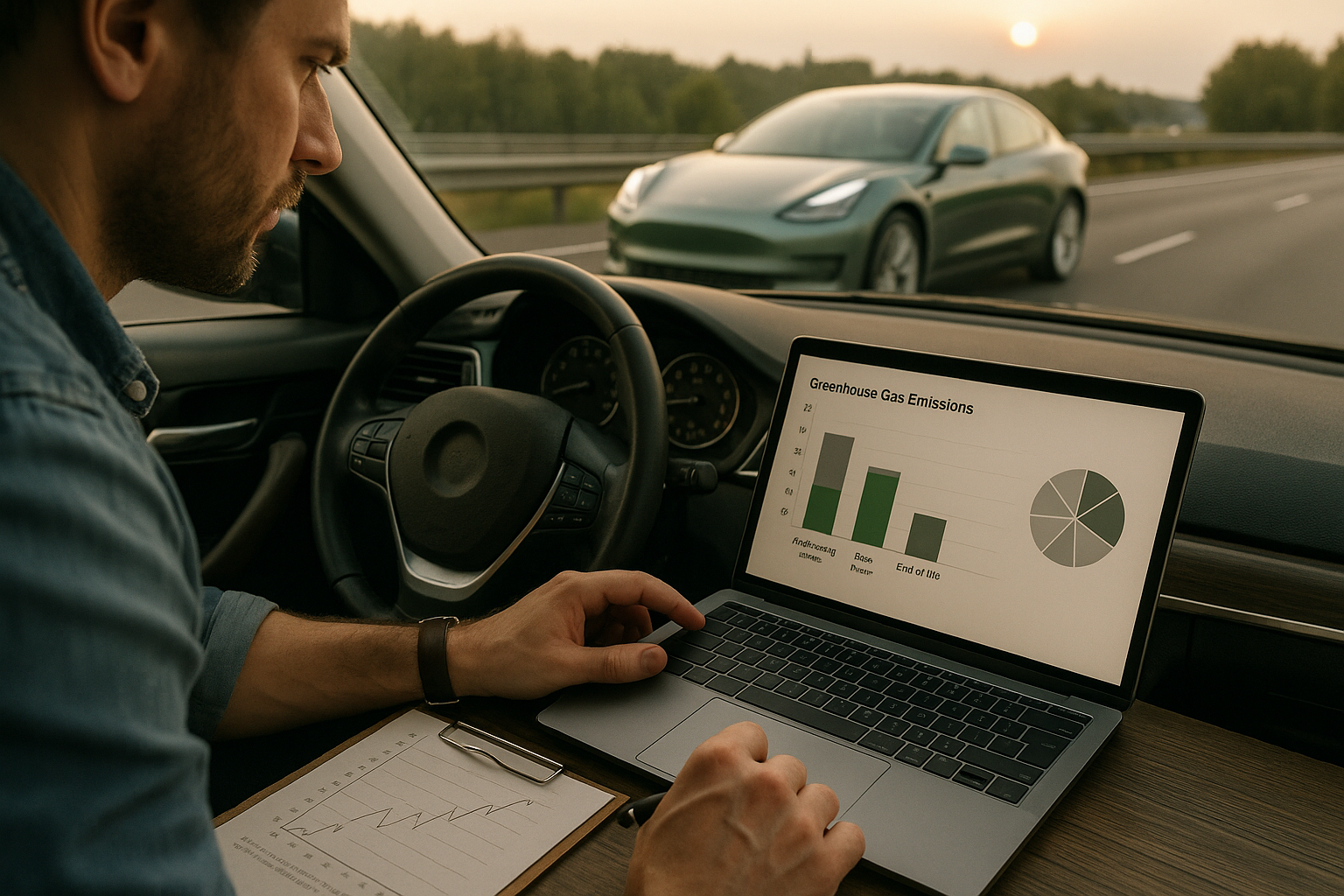
Lifecycle analysis reveals that sustainable transportation requires more than simply swapping powertrains. It demands systems-level thinking that optimizes across manufacturing, operations, infrastructure, and end-of-life management. The most effective strategies address multiple lifecycle stages simultaneously, creating compound benefits.
Success requires coordination across sectors. Automotive manufacturers must collaborate with energy providers, recyclers, material suppliers, and infrastructure developers. Policy frameworks should encourage these partnerships while maintaining competitive dynamics that drive innovation.
The transportation sustainability challenge is substantial but not insurmountable. Lifecycle analysis provides the analytical foundation for identifying truly effective solutions versus those that simply shift problems elsewhere. By embracing comprehensive, cradle-to-grave perspectives, we can navigate toward genuinely sustainable mobility systems that serve both human needs and planetary boundaries.
The road ahead demands continued innovation, substantial investment, and sustained commitment from individuals, businesses, and governments. However, the lifecycle analysis evidence demonstrates clearly that pathways to sustainable transportation exist—and that the journey toward implementing them has already begun. Every kilometer traveled more sustainably brings us closer to a transportation system that moves people and goods without compromising the planet’s future. 🚗💚