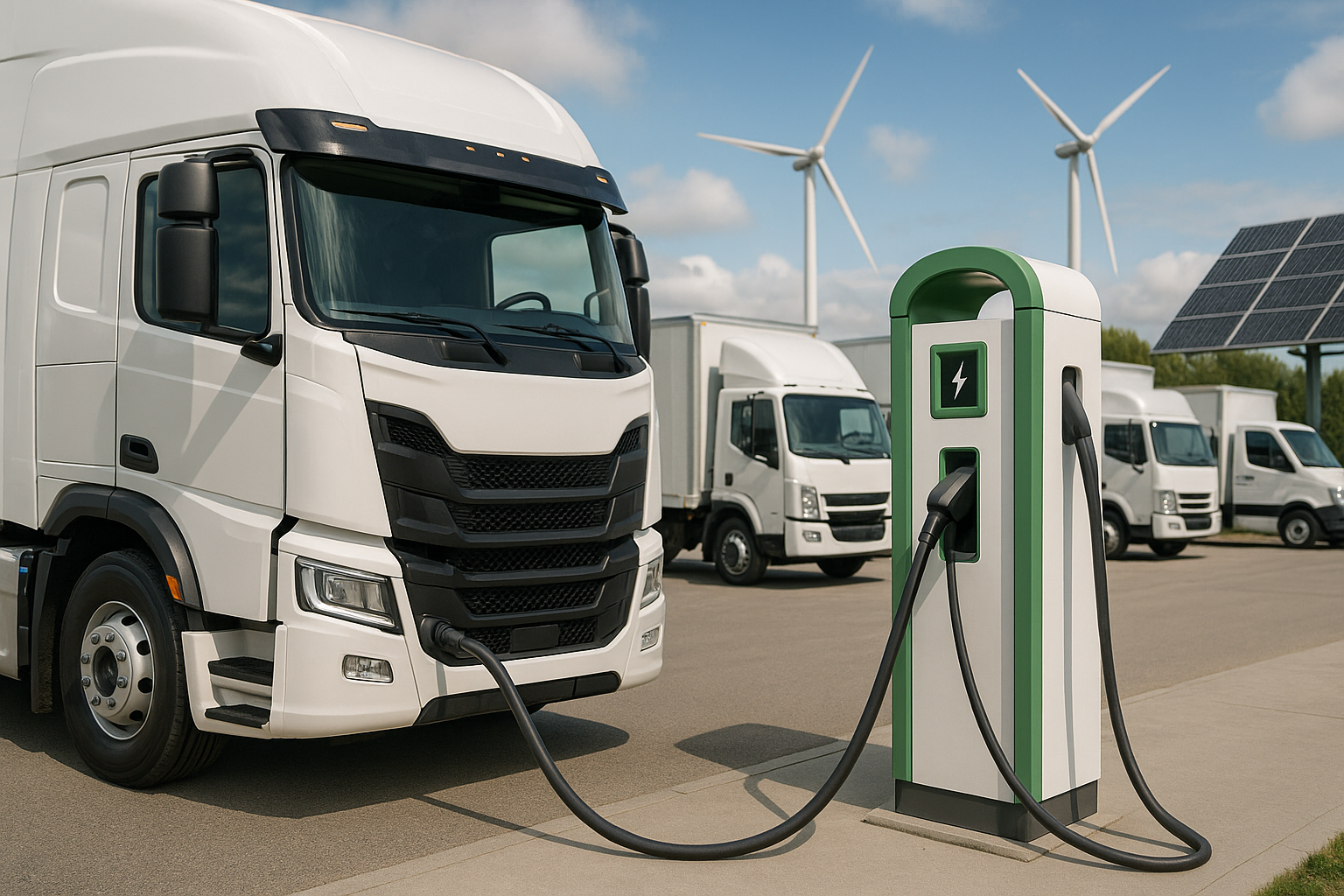
Renewable energy is transforming how logistics centers operate, cutting costs and carbon emissions while building resilience for tomorrow’s supply chain challenges.

🌍 The Green Awakening in Modern Logistics
The logistics industry stands at a pivotal crossroads. As global demand for faster, more efficient supply chains intensifies, so does the pressure to reduce environmental impact. Logistics centers, warehouses, and distribution hubs consume enormous amounts of energy daily—from powering refrigeration systems and conveyor belts to illuminating vast warehouse spaces and charging electric vehicle fleets.
Traditional energy sources have long powered these operations, but the tide is turning. Rising electricity costs, stringent environmental regulations, and corporate sustainability commitments are driving logistics companies toward renewable energy solutions. This shift isn’t merely about compliance or public relations; it represents a fundamental reimagining of how logistics operations can achieve both profitability and environmental responsibility.
Forward-thinking companies recognize that renewable energy installations offer more than environmental benefits. They provide energy independence, predictable long-term costs, and competitive advantages in an increasingly eco-conscious marketplace. Major retailers and logistics providers are already demonstrating that sustainability and efficiency can coexist harmoniously.
☀️ Solar Power: The Logistics Industry’s Brightest Opportunity
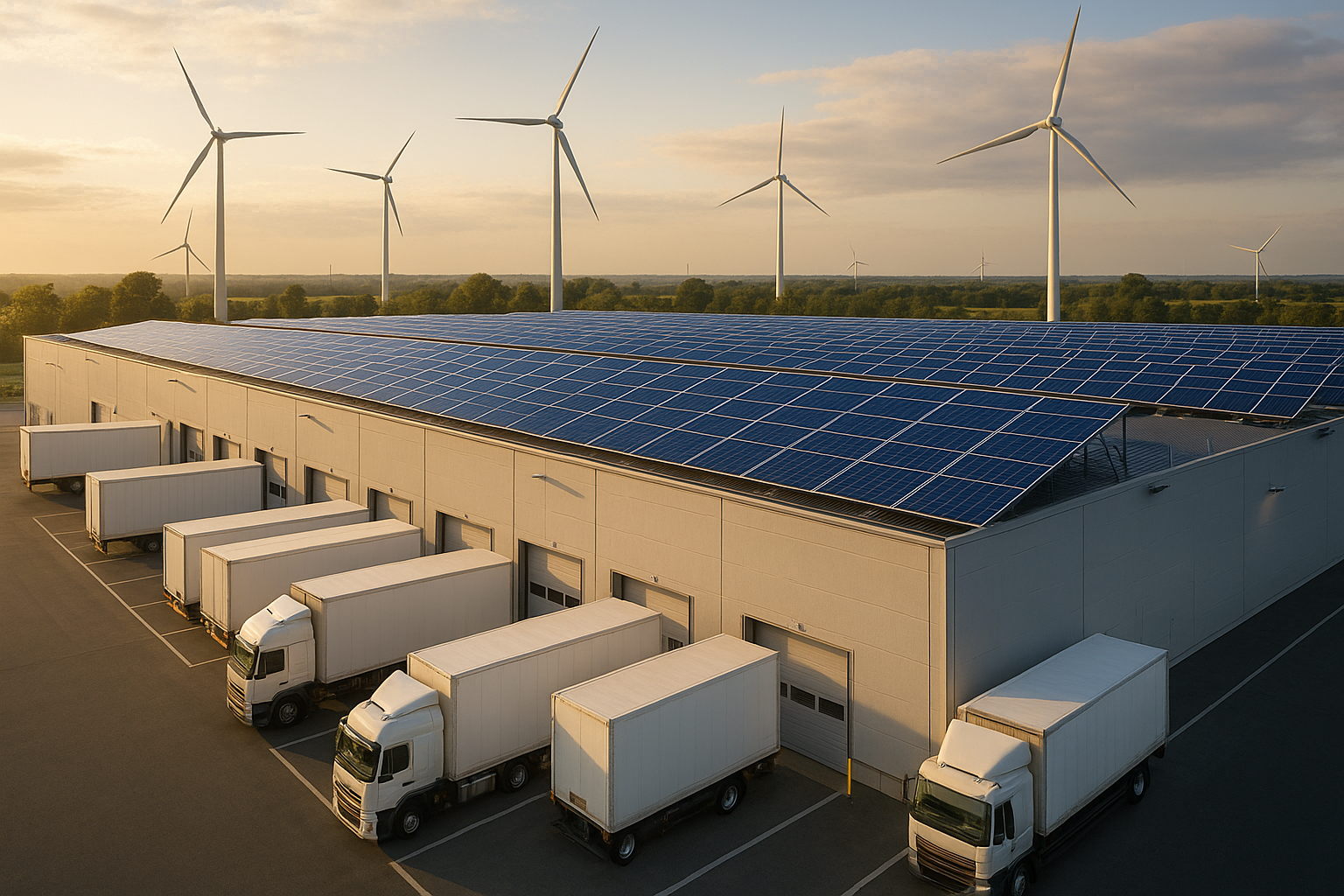
Solar energy has emerged as the frontrunner in renewable logistics applications, and for good reason. The typical logistics center features expansive flat rooftops—essentially unused real estate perfectly positioned to capture sunlight. These surfaces, often spanning hundreds of thousands of square feet, represent untapped energy generation potential.
Installing photovoltaic panels on warehouse roofs transforms passive infrastructure into active revenue generators. A standard 500,000-square-foot distribution center can accommodate solar installations generating between 2-5 megawatts of electricity, potentially covering 30-70% of facility energy needs depending on location and operational demands.
Real-World Solar Success Stories
Amazon has installed solar panels across more than 350 fulfillment centers and sortation facilities worldwide, generating hundreds of megawatts of clean energy. Walmart operates solar installations on approximately 550 store and distribution center rooftops, making it one of the largest commercial solar users in the United States.
These implementations demonstrate scalability across different climate zones and operational requirements. From Arizona’s sun-drenched landscapes to cloudier northern regions, solar technology has proven adaptable and economically viable across diverse geographic locations.
💨 Wind Energy: Harnessing Nature’s Power for Distribution
While solar captures headlines, wind energy offers complementary advantages for logistics operations, particularly those in rural or coastal areas with consistent wind patterns. Unlike solar panels that require rooftop space, wind turbines can be installed on adjacent property, preserving valuable building surfaces for other uses.
Small-scale wind installations are becoming increasingly popular for logistics facilities seeking energy diversification. Modern turbine technology has improved efficiency dramatically, making wind viable even in moderate wind zones. Additionally, wind generation often peaks during different hours than solar, providing more consistent power throughout 24-hour operations.
Large logistics companies are also purchasing wind energy through power purchase agreements (PPAs), securing renewable electricity from utility-scale wind farms without direct infrastructure investment. This approach offers renewable energy benefits without capital expenditure or maintenance responsibilities.
🔋 Energy Storage: The Missing Puzzle Piece
Renewable energy’s intermittent nature once posed significant challenges for logistics operations requiring consistent power. Battery storage systems have revolutionized this equation, capturing excess renewable generation during peak production periods and releasing it when needed most.
Lithium-ion battery systems, increasingly affordable due to electric vehicle industry advances, now provide economically viable storage solutions for logistics centers. These systems enable facilities to maximize renewable energy utilization, reduce peak demand charges, and maintain operations during grid outages.
Battery Storage Benefits for Logistics
- Demand charge reduction: Batteries discharge during peak pricing periods, significantly lowering electricity bills
- Grid independence: Storage provides backup power during outages, protecting temperature-sensitive inventory
- Renewable optimization: Captured solar/wind energy can power night operations or cloudy periods
- Grid services revenue: Some facilities earn income by providing grid stabilization services
- Future-proofing: Storage infrastructure supports eventual full electrification of vehicle fleets
Tesla, Fluence, and other providers offer turnkey battery storage systems specifically designed for commercial and industrial applications. These systems integrate seamlessly with existing renewable installations, creating comprehensive energy management ecosystems.
⚡ Smart Energy Management Systems
Renewable energy installations reach their full potential when paired with intelligent energy management systems. These sophisticated platforms use artificial intelligence and machine learning to optimize energy consumption, generation, and storage in real-time.
Modern energy management systems monitor weather forecasts, electricity pricing, operational schedules, and equipment efficiency simultaneously. They automatically adjust HVAC systems, lighting, refrigeration units, and charging schedules to maximize renewable energy utilization while minimizing grid dependence and costs.
For example, these systems might pre-cool refrigerated spaces during peak solar generation hours, reducing energy demand during expensive evening periods. They can schedule electric forklift charging during renewable production peaks or low-price grid periods, optimizing both cost and carbon footprint.
🚛 Electrifying Logistics Fleet Operations
The transportation component of logistics—arguably the industry’s largest carbon contributor—is undergoing electrification at unprecedented speed. Electric delivery vans, trucks, and material handling equipment are transitioning from experimental curiosities to mainstream solutions.
This shift creates natural synergy with on-site renewable energy generation. Logistics centers with solar installations can charge electric vehicle fleets using clean, self-generated electricity, creating closed-loop sustainable operations. The economics are compelling: electricity costs significantly less per mile than diesel or gasoline, and maintenance requirements for electric vehicles are substantially lower.
Companies like UPS and FedEx have already integrated thousands of electric delivery vehicles into their fleets, with ambitious plans for expansion. DHL committed to achieving zero emissions logistics by 2050, with electric vehicles and renewable energy forming the foundation of this strategy.
Charging Infrastructure Integration
Strategic charging infrastructure planning maximizes renewable energy utilization. By installing adequate charging stations and coordinating charging schedules with solar production peaks, logistics centers can power their fleets almost entirely with self-generated renewable electricity.
Vehicle-to-grid (V2G) technology represents the next frontier, allowing electric vehicle batteries to serve as distributed energy storage. During grid emergencies or peak demand periods, parked electric trucks could discharge power back to the facility or grid, creating additional revenue streams while supporting grid stability.
💰 Financial Incentives Accelerating Adoption
Governments worldwide recognize renewable energy’s strategic importance and offer substantial financial incentives for commercial installations. These programs significantly improve project economics, accelerating payback periods and increasing return on investment.
| Incentive Type | Description | Typical Value |
|---|---|---|
| Investment Tax Credits | Federal tax credits for solar installations | 26-30% of project cost |
| Accelerated Depreciation | MACRS depreciation schedule | 85% depreciation in 5 years |
| State/Local Rebates | Direct rebates for renewable installations | Varies by jurisdiction |
| Renewable Energy Certificates | Tradeable certificates for renewable generation | Ongoing revenue stream |
| Low-Interest Financing | Government-backed loans for clean energy | Below-market interest rates |
Beyond direct incentives, many regions offer expedited permitting for renewable energy projects, reducing administrative delays and soft costs. Some jurisdictions provide property tax exemptions for renewable energy equipment, further improving financial performance.
🌱 Environmental Impact Beyond Carbon Reduction
While carbon emission reduction captures most attention, renewable energy adoption delivers broader environmental benefits that increasingly matter to customers, employees, and communities.
Renewable energy installations reduce air pollution, particularly important for logistics centers in urban areas where diesel-powered equipment contributes to poor air quality. Communities near major distribution hubs experience tangible health benefits as facilities transition to cleaner energy sources.
Water consumption represents another often-overlooked advantage. Traditional electricity generation—especially coal and natural gas plants—requires enormous water volumes for cooling. Solar and wind installations use virtually no water during operation, conserving this precious resource in water-stressed regions.
📊 Measuring Success: Key Performance Indicators
Effective renewable energy strategies require careful measurement and continuous optimization. Leading logistics companies track comprehensive metrics to evaluate performance and identify improvement opportunities.
Energy intensity metrics—measuring energy consumption per square foot, per shipment, or per ton-mile—provide baseline comparisons and track efficiency improvements over time. Renewable energy percentage indicates progress toward sustainability goals, while cost per kilowatt-hour measures financial performance against grid electricity.
Carbon footprint calculations quantify environmental impact, supporting sustainability reporting and marketing claims. These metrics increasingly matter to customers, particularly major corporations with aggressive sustainability commitments requiring supply chain partners to demonstrate environmental responsibility.
🔮 Future Innovations on the Horizon
The renewable energy revolution in logistics is far from complete. Emerging technologies promise even greater efficiency, sustainability, and cost-effectiveness in coming years.
Hydrogen Fuel Cells
Green hydrogen—produced using renewable electricity—offers potential solutions for heavy-duty long-haul trucking where battery limitations remain challenging. Several logistics companies are piloting hydrogen-powered trucks, with renewable energy potentially powering hydrogen production on-site.
Advanced Building Materials
Next-generation building materials integrate energy generation directly into structural components. Solar glass windows, energy-generating roofing materials, and photovoltaic facades could transform entire buildings into power plants, dramatically increasing renewable generation potential.
Artificial Intelligence Optimization
AI continues advancing, promising increasingly sophisticated energy management. Future systems will predict maintenance needs, optimize renewable generation assets, and coordinate complex interactions between generation, storage, consumption, and grid services with minimal human intervention.
🏆 Building Competitive Advantage Through Sustainability
Renewable energy adoption transcends environmental responsibility—it creates tangible competitive advantages in increasingly sustainability-conscious markets. Major retailers and manufacturers now evaluate logistics partners partly on environmental performance, making renewable energy a business imperative rather than optional enhancement.
Companies demonstrating genuine sustainability commitment attract environmentally conscious consumers willing to pay premiums for products aligned with their values. Employee recruitment and retention also benefit, as talented workers increasingly seek employers whose values match their own.
Brand reputation strengthens through authentic environmental action. In an era of greenwashing skepticism, measurable renewable energy implementation provides credible proof of sustainability commitment, differentiating companies from competitors making empty claims.
🚀 Taking the First Steps Toward Renewable Logistics
For logistics companies beginning their renewable energy journey, the path forward need not be overwhelming. Starting with comprehensive energy audits identifies the biggest consumption sources and best opportunities for renewable integration.
Pilot projects allow testing renewable technologies on smaller scales before full deployment. A single warehouse solar installation provides valuable operational experience and demonstrates feasibility to stakeholders before company-wide rollout.
Partnership strategies offer alternatives to direct ownership. Power purchase agreements, leasing arrangements, and third-party ownership models provide renewable energy benefits without capital investment, making sustainability accessible to organizations of all sizes.
The transformation of logistics through renewable energy represents one of the most significant industrial shifts of our generation. As technology improves, costs decline, and societal pressure intensifies, the question is no longer whether logistics centers will embrace renewable energy, but how quickly they can implement these transformative solutions. The future of logistics is undeniably green, powered by sunshine, wind, and human innovation working in harmony to create supply chains that serve both commerce and planet. Companies investing in renewable energy today aren’t just reducing their environmental footprint—they’re building resilient, cost-effective operations positioned to thrive in tomorrow’s sustainable economy.