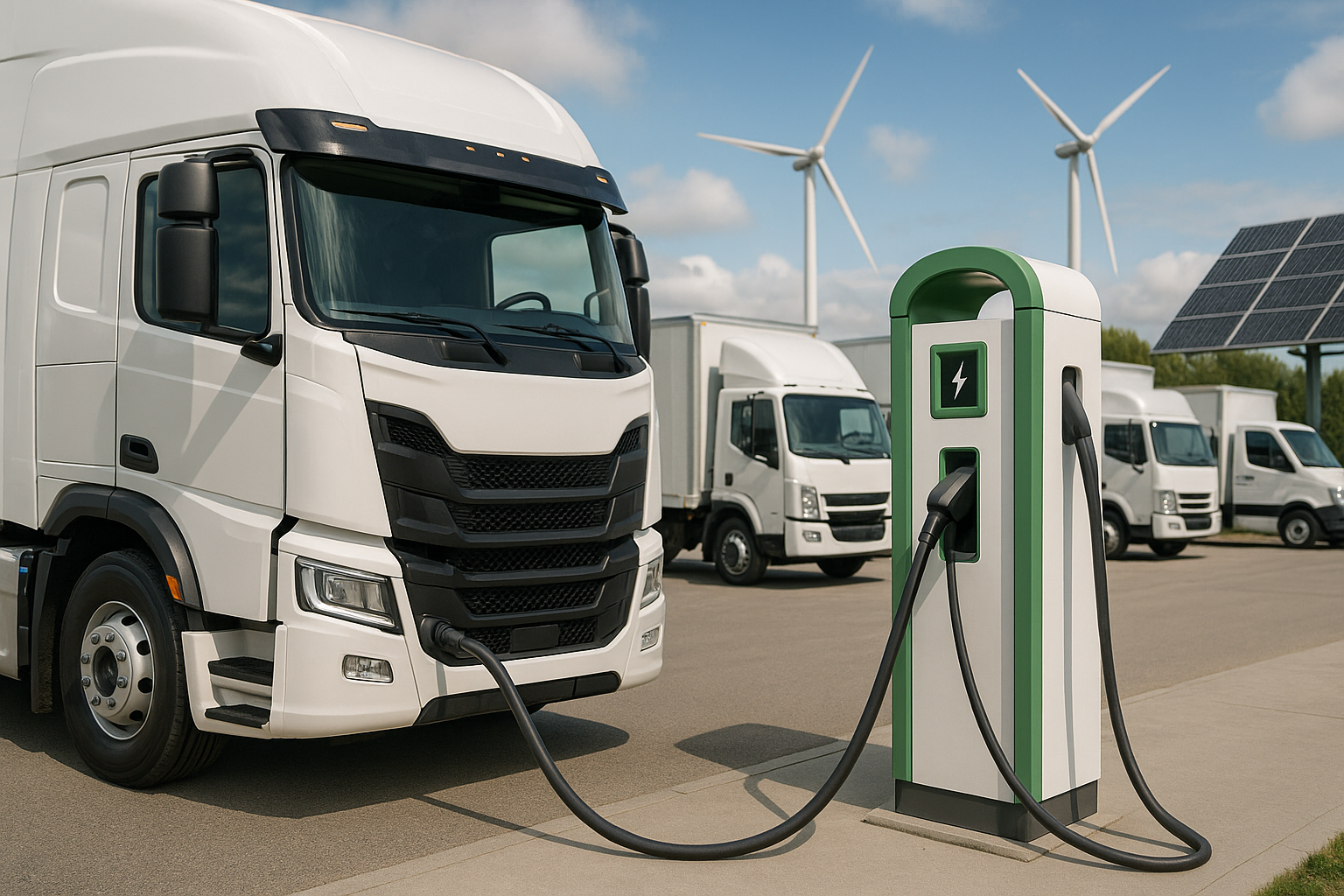
The transportation sector stands at a critical crossroads where innovation meets environmental responsibility, shaping how we move toward a sustainable future.

Climate change has become one of the most pressing challenges of our generation, and the transportation industry contributes significantly to global greenhouse gas emissions. As we witness rising temperatures, extreme weather events, and deteriorating air quality in urban centers, the urgency to transform how we travel has never been more apparent. Sustainable transportation technology offers a pathway to reduce our carbon footprint while maintaining the mobility that modern society demands.
The shift toward greener transportation isn’t just an environmental imperative—it represents a massive economic opportunity. Investors, governments, and entrepreneurs worldwide are recognizing that sustainable mobility solutions can drive economic growth while protecting our planet. From electric vehicles to hyperloop systems, the landscape of transportation technology is evolving rapidly, offering promising solutions to age-old pollution problems.
🚗 The Electric Vehicle Revolution Transforms Personal Mobility
Electric vehicles have emerged as the frontrunners in the race toward sustainable personal transportation. The technology has matured significantly over the past decade, with battery costs dropping by nearly 90% since 2010. This dramatic price reduction has made electric cars increasingly competitive with traditional internal combustion engine vehicles, accelerating their adoption across global markets.
Major automotive manufacturers have committed billions of dollars to electrification strategies. Companies like Tesla, Rivian, and traditional automakers such as General Motors and Volkswagen are investing heavily in electric vehicle production facilities and battery technology. This competition drives innovation, resulting in vehicles with longer ranges, faster charging times, and more affordable price points for consumers.
The infrastructure supporting electric vehicles is expanding rapidly as well. Charging networks are becoming ubiquitous in urban areas, along highways, and even in remote locations. Governments worldwide are incentivizing this infrastructure development through subsidies and regulatory frameworks that encourage private investment in charging stations. This growing network addresses one of the primary concerns potential electric vehicle buyers have—range anxiety.
Battery Technology Breakthroughs Accelerate Adoption
The heart of electric vehicle technology lies in battery innovation. Lithium-ion batteries currently dominate the market, but researchers are developing next-generation alternatives that promise even better performance. Solid-state batteries, for instance, offer higher energy density, faster charging capabilities, and improved safety compared to current technology.
Investment in battery manufacturing has created entire new industries and job markets. Gigafactories producing batteries at scale are being constructed across continents, from Nevada to Germany to China. These facilities not only supply the automotive industry but also support energy storage systems that stabilize renewable energy grids, creating synergies between clean transportation and clean energy generation.
🚌 Public Transportation Gets a Sustainable Makeover
While personal vehicles receive significant attention, public transportation systems offer perhaps the greatest potential for reducing urban emissions. Cities worldwide are electrifying their bus fleets, replacing diesel-powered vehicles with electric alternatives that produce zero tailpipe emissions and operate more quietly, improving urban quality of life.
Electric buses have proven particularly successful in China, where cities like Shenzhen have completely electrified their public bus fleets. This transition demonstrates that large-scale electrification is not only possible but practical and cost-effective when implemented with proper planning and investment. Other cities globally are following this model, with London, Los Angeles, and Santiago making significant commitments to electric bus adoption.
Beyond buses, rail systems are being modernized and expanded with sustainability in mind. High-speed rail networks offer an alternative to short-haul flights, which are particularly carbon-intensive per passenger mile. Countries like Spain, Japan, and France have demonstrated that efficient rail networks can compete with air travel for journeys under 500 miles, significantly reducing transportation emissions while providing comfortable, reliable service.
Smart Transit Systems Optimize Urban Mobility
Technology is making public transportation more efficient and user-friendly. Mobile applications now provide real-time information about routes, schedules, and capacity, helping passengers plan journeys more effectively. Integration between different transportation modes—buses, trains, bike-sharing, and ride-hailing—creates seamless mobility ecosystems that reduce dependence on private vehicles.
Investment in transit-oriented development complements these technological improvements. Urban planning that prioritizes walkability and public transportation access reduces the need for personal vehicles, creating more livable cities with lower emissions. Mixed-use developments near transit hubs encourage residents to adopt sustainable transportation habits by making daily necessities accessible without cars.
🚲 Micromobility Solutions Transform Urban Transportation
The rise of micromobility—encompassing e-bikes, e-scooters, and similar devices—has revolutionized urban transportation for short trips. These lightweight electric vehicles provide convenient, emissions-free alternatives for journeys typically made by car, particularly the “last mile” connections between transit stations and final destinations.
E-bike adoption has surged globally, with sales outpacing traditional bicycles in many markets. Electric assist technology makes cycling accessible to broader demographics, including older adults and those living in hilly terrain who might otherwise rely on cars. This democratization of cycling has significant public health benefits beyond emissions reduction, promoting active lifestyles and reducing healthcare costs associated with sedentary behavior.
Shared micromobility services have proliferated in cities worldwide, offering flexible, affordable transportation without ownership requirements. These services reduce the number of vehicles needed overall, as shared resources serve multiple users throughout the day. However, the industry faces challenges around profitability, regulation, and responsible deployment that require ongoing innovation and collaboration between operators, cities, and communities.
✈️ Aviation and Maritime Industries Pursue Decarbonization
While ground transportation electrification advances rapidly, aviation and maritime sectors face unique challenges due to energy density requirements and operational constraints. Nevertheless, significant investment is flowing toward sustainable solutions for these carbon-intensive industries.
Sustainable aviation fuel derived from biological sources or synthetic processes offers a near-term pathway to reduce aviation emissions. These fuels can be used in existing aircraft with minimal modifications, allowing immediate implementation without waiting for entirely new aircraft designs. Airlines and fuel producers are investing in production capacity, though scaling remains challenging and costly.
Electric and hybrid-electric aircraft are under development for short-haul routes. Companies like Heart Aerospace and Eviation are designing regional aircraft that could enter service within the decade, offering zero-emission alternatives for flights under 500 miles. Meanwhile, hydrogen fuel cell technology presents another promising avenue for longer-range aircraft, with major manufacturers like Airbus committing to hydrogen-powered commercial aircraft development.
Shipping Industry Charts Course Toward Clean Energy
The maritime industry, responsible for transporting approximately 90% of global trade, is exploring multiple decarbonization pathways. Wind-assisted propulsion technologies are experiencing a renaissance, with modern rotor sails and kites providing auxiliary power that reduces fuel consumption. These technologies blend ancient principles with modern engineering, demonstrating that sustainable innovation sometimes involves rediscovering forgotten solutions.
Hydrogen and ammonia are emerging as potential marine fuels for long-distance shipping. Several major shipping companies have ordered vessels capable of running on these alternative fuels, signaling confidence in their viability. Battery-electric propulsion is proving practical for shorter routes and ferries, with numerous electric ferry services already operational in Scandinavia and elsewhere.
💡 The Investment Landscape for Sustainable Transportation
The financial community increasingly recognizes sustainable transportation as both ethically imperative and economically attractive. Venture capital, private equity, and public markets are channeling unprecedented funds toward companies developing clean transportation technologies. This investment surge reflects growing awareness that sustainability and profitability are not mutually exclusive but increasingly aligned.
Government policies play a crucial role in shaping investment flows. Subsidies for electric vehicle purchases, tax credits for charging infrastructure, and emissions regulations create market conditions that favor sustainable technologies. The European Union’s stringent emissions standards and plans to ban internal combustion engine sales by 2035 provide clear signals that accelerate private investment in electrification.
Corporate sustainability commitments are driving demand for green transportation solutions. Major companies are transitioning delivery fleets to electric vehicles, both to reduce environmental impact and to appeal to environmentally conscious consumers. This corporate demand provides stable markets for emerging transportation technologies, reducing investment risk and attracting additional capital.
Emerging Markets Present Unique Opportunities
Developing economies offer distinct opportunities for sustainable transportation investment. These markets often lack entrenched transportation infrastructure, allowing them to leapfrog directly to cleaner technologies rather than following the fossil fuel-dependent development path of industrialized nations. Electric two-wheelers and three-wheelers are particularly successful in Asian and African markets, providing affordable, clean mobility for billions of people.
International development institutions are increasingly prioritizing sustainable transportation in emerging markets. The World Bank, Asian Development Bank, and other multilateral organizations are funding electric bus rapid transit systems, urban rail projects, and cycling infrastructure in developing cities. These investments improve quality of life while establishing sustainable transportation patterns as populations and economies grow.
🌍 Policy Frameworks Accelerate the Transition
Effective policy is essential to accelerate sustainable transportation adoption. Carbon pricing mechanisms, whether through taxes or cap-and-trade systems, create economic incentives for choosing cleaner transportation options. These policies internalize the environmental costs of pollution, making sustainable choices more economically competitive.
Regulatory standards drive technological innovation by establishing clear targets manufacturers must meet. Zero-emission vehicle mandates in California and other jurisdictions have pushed automakers to develop electric vehicle offerings they might otherwise have delayed. Performance standards for fuel efficiency and emissions force continuous improvement, rewarding companies that invest in cleaner technologies.
Urban planning policies profoundly influence transportation sustainability. Cities that prioritize pedestrians, cyclists, and public transit through infrastructure investment and land-use regulation reduce transportation emissions while creating more livable environments. Congestion pricing in cities like London and Singapore demonstrates that economic incentives can effectively manage traffic while funding sustainable transportation alternatives.
🔋 Energy Integration Creates Synergies
Sustainable transportation and renewable energy generation are increasingly interconnected. Electric vehicles can serve as distributed energy storage, absorbing excess renewable generation during peak production periods and potentially feeding electricity back to the grid when needed. This vehicle-to-grid capability helps stabilize renewable energy systems, addressing intermittency challenges that have historically limited wind and solar adoption.
Charging infrastructure powered by renewable energy creates truly zero-emission transportation systems. Solar canopies over parking lots provide clean electricity for vehicle charging while offering weather protection. Companies and homeowners installing solar panels can power their vehicles with self-generated electricity, achieving energy independence while eliminating transportation emissions.
The lifecycle environmental impact of electric vehicles continues improving as electricity grids become cleaner. Even when charged from grids with significant fossil fuel generation, electric vehicles typically produce fewer lifetime emissions than comparable internal combustion vehicles. As renewable energy displaces fossil fuels in electricity generation, this advantage grows, creating a virtuous cycle where transportation and energy sectors simultaneously decarbonize.

🚀 Looking Forward: The Road Ahead
The transition to sustainable transportation is well underway but requires continued acceleration to meet climate goals. The next decade will be critical, with investment decisions made today determining whether we successfully limit global temperature rise. Fortunately, technological progress, falling costs, and growing political will create momentum that makes success increasingly achievable.
Innovation continues across all transportation modes, from autonomous vehicles that optimize efficiency to advanced materials that reduce vehicle weight. Artificial intelligence optimizes traffic flow, reducing congestion and associated emissions. Blockchain technology enables new mobility service models and transparent carbon accounting. These digital technologies amplify the impact of electrification and alternative fuels.
The social dimensions of transportation transformation deserve attention alongside technological progress. Ensuring that clean transportation access extends to all communities, not just affluent early adopters, is essential for achieving both environmental and social justice. Investment in public transportation, affordable electric vehicle options, and charging infrastructure in underserved areas can democratize the benefits of sustainable mobility.
Collaboration between stakeholders—governments, private companies, investors, researchers, and communities—will determine how quickly we transition to sustainable transportation. No single entity can accomplish this transformation alone, but collective action can accelerate progress beyond what any individual effort could achieve. The growing coalition committed to clean transportation provides reason for optimism about our collective ability to address climate change.
The transportation revolution underway represents one of the most significant technological and social transitions in modern history. By continuing to invest in sustainable transportation technology, we can create a cleaner, healthier planet while maintaining the mobility that enables economic opportunity and human connection. The journey toward sustainable transportation is not just about reaching a destination—it’s about ensuring that journey itself becomes part of the solution to our environmental challenges, driving us all toward a greener, more sustainable future for generations to come.