Urban delivery is transforming fast, and greener streets are no longer a luxury—they’re essential for cities worldwide to thrive sustainably.

🌱 The Urban Delivery Challenge We Can’t Ignore
Cities across the globe are experiencing an unprecedented surge in delivery demands. E-commerce growth has reshaped consumer expectations, with same-day and next-day deliveries becoming the norm rather than the exception. This convenience comes at a cost: congested streets, deteriorating air quality, and mounting carbon emissions that threaten our urban environments.
The logistics sector accounts for approximately 8% of global greenhouse gas emissions, with last-mile delivery representing one of the most inefficient and polluting segments. Traditional delivery methods involve countless individual trips, often with partially filled vehicles, creating unnecessary traffic and environmental burden. The challenge isn’t just environmental—it’s economic and social too.
Cities like London, Paris, and New York are already implementing restrictions on delivery vehicles during peak hours. These measures signal a broader shift: urban delivery must evolve or face increasingly stringent regulations that could disrupt supply chains entirely.
📦 Understanding the Last-Mile Problem
Last-mile delivery—the final leg of a product’s journey to the customer—is notoriously inefficient. It represents up to 53% of total shipping costs while contributing disproportionately to urban pollution and congestion. Multiple factors compound this problem:
- Fragmented delivery routes with numerous stops in dense urban areas
- Failed delivery attempts requiring return trips and re-delivery
- Oversized vehicles navigating narrow city streets designed for pedestrians
- Idling engines during deliveries contributing to local air pollution
- Packaging waste accumulating from individual shipments
The inefficiency becomes more apparent when you consider that delivery vans spend approximately 28% of their time searching for parking spots. This wasted time translates directly into increased fuel consumption, higher emissions, and driver frustration.
The Hidden Environmental Cost
Every delivery vehicle on the road carries an environmental footprint extending beyond direct emissions. Road wear, tire particles, brake dust, and noise pollution all contribute to degraded urban quality of life. Studies indicate that delivery traffic in major metropolitan areas can account for up to 25% of total urban congestion despite representing only 15% of vehicles.
🚴 Innovative Solutions Reshaping Green Delivery
Forward-thinking companies and municipalities are pioneering solutions that balance consumer convenience with environmental responsibility. These innovations range from technological advances to reimagined delivery infrastructure.
Electric Vehicle Fleets
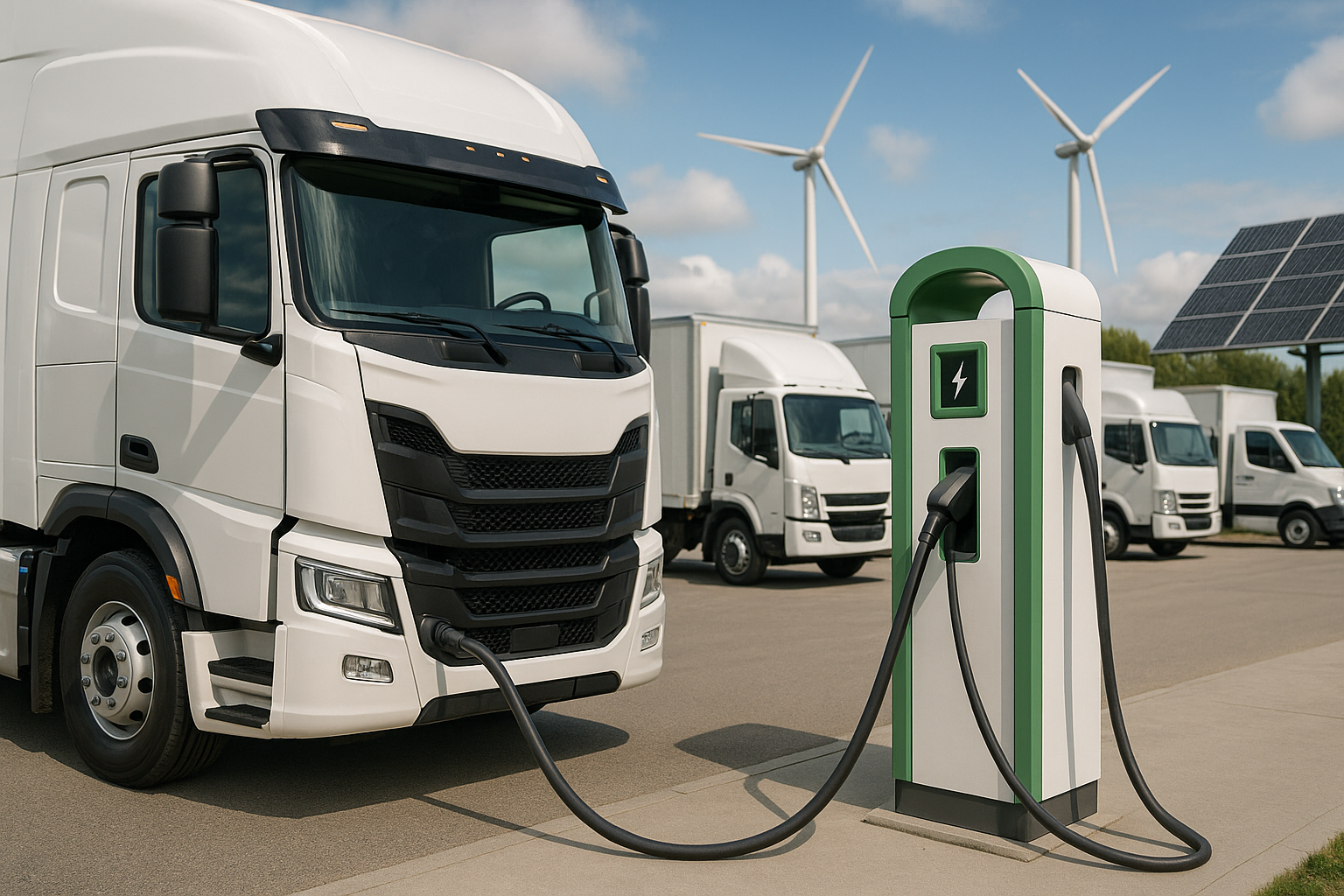
Electric delivery vehicles (EDVs) represent the most visible shift toward sustainable logistics. Major carriers are investing billions in electrifying their fleets, with companies like Amazon pledging to deploy 100,000 electric delivery vans by 2030. These vehicles eliminate tailpipe emissions and significantly reduce noise pollution in residential areas.
The economic case for EDVs strengthens as battery technology improves and electricity costs remain stable compared to volatile fuel prices. Total cost of ownership for electric vans is projected to reach parity with diesel equivalents by 2025 in most markets.
Cargo Bikes and Micro-Mobility
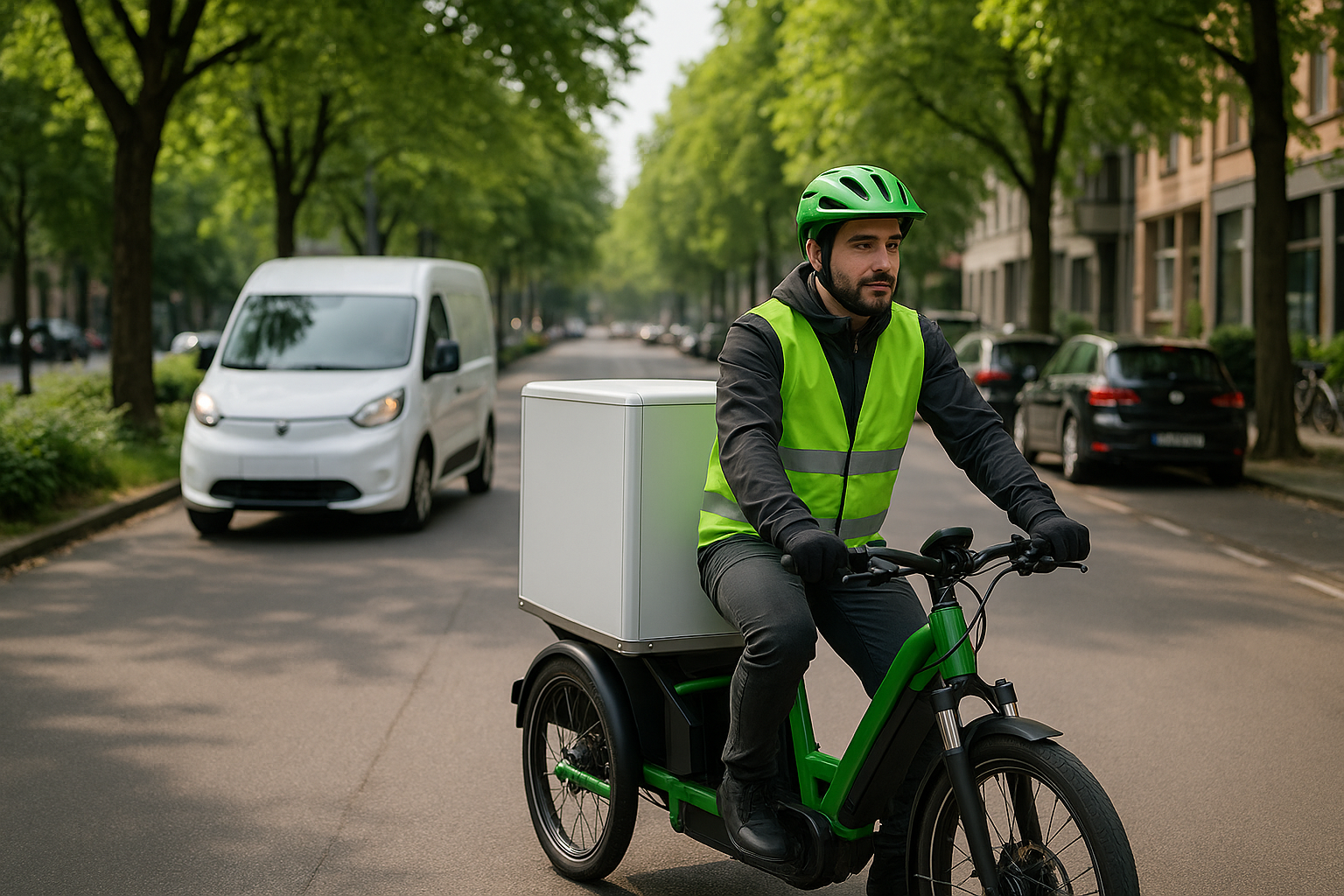
For dense urban cores, cargo bikes and electric-assist tricycles offer remarkable efficiency. These vehicles navigate congested streets easily, require minimal parking space, and produce zero emissions. European cities have embraced this approach enthusiastically, with cargo bike deliveries growing by over 60% annually in markets like the Netherlands and Denmark.
Cargo bikes can handle surprising payloads—up to 250 kilograms—making them viable for most consumer deliveries. They’re particularly effective for food delivery, small parcels, and time-sensitive shipments within compact geographic areas.
🏙️ Urban Consolidation Centers: The Game Changer
Urban consolidation centers (UCCs) represent a paradigm shift in how goods enter city centers. These facilities, located on urban peripheries, serve as collection points where shipments from multiple carriers are consolidated onto fewer, cleaner vehicles for final delivery.
The efficiency gains are substantial. Instead of ten different carriers each making separate trips into the city center, consolidated deliveries reduce vehicle movements by up to 70%. This approach decreases congestion, emissions, and delivery times while improving success rates.
| Metric | Traditional Delivery | Consolidated Delivery |
|---|---|---|
| Vehicles per 100 deliveries | 12-15 | 4-6 |
| Average load capacity used | 55-60% | 85-90% |
| CO2 emissions (kg per delivery) | 0.8-1.2 | 0.3-0.5 |
| Failed delivery rate | 15-20% | 5-8% |
Smart Parcel Lockers Network
Automated parcel lockers complement consolidation strategies by eliminating the need for home delivery altogether. Strategically placed in transit hubs, apartment buildings, and commercial areas, these lockers allow customers to collect packages at their convenience while enabling carriers to make efficient multi-drop deliveries.
The environmental benefits multiply: fewer failed deliveries, optimized routes, and reduced pressure on residential streets during peak hours. Countries like Estonia and Japan have integrated locker networks so thoroughly that they’ve become the default delivery method for many consumers.
📱 Technology Driving Efficiency Forward
Digital innovation underpins many green delivery initiatives, transforming how logistics companies plan, execute, and optimize their operations.
AI-Powered Route Optimization
Artificial intelligence analyzes countless variables—traffic patterns, weather conditions, delivery time windows, vehicle capacity, and historical data—to generate optimal delivery routes. These sophisticated algorithms can reduce total distance traveled by 10-25% compared to traditional planning methods.
Real-time adaptation represents the next frontier. AI systems now adjust routes dynamically as conditions change, rerouting drivers around unexpected congestion or weather events. This responsiveness minimizes wasted fuel and ensures more predictable delivery windows.
Predictive Delivery Windows
Machine learning models predict customer availability with increasing accuracy, reducing failed delivery attempts. By analyzing past behavior, location data, and even weather forecasts, systems can identify optimal delivery times when customers are most likely to be home.
This predictive capability dramatically improves first-attempt delivery success rates, eliminating the environmental cost of return trips and re-delivery attempts that plague traditional logistics.
🌍 Policy Frameworks Supporting Green Logistics
Government intervention plays a crucial role in accelerating the transition to sustainable urban delivery. Progressive cities worldwide are implementing policies that incentivize green practices while penalizing polluting operations.
Low Emission Zones and Congestion Charging
Cities like London, Madrid, and Milan have established low emission zones where only vehicles meeting strict environmental standards can operate without penalties. These zones create powerful economic incentives for carriers to upgrade their fleets or adopt alternative delivery methods.
Congestion charging schemes add another layer, making polluting vehicles financially unviable for urban deliveries. The revenue generated often funds public transit improvements and cycling infrastructure, creating a virtuous cycle of sustainable transportation development.
Loading Bay Management and Time-Access Restrictions
Smart loading bay systems allocate curb space efficiently, reducing the time vehicles spend circling for parking. Digital booking platforms allow drivers to reserve loading spots in advance, guaranteeing access while minimizing disruption to traffic flow.
Time-access restrictions limit deliveries to off-peak hours in sensitive areas, reducing congestion during rush periods. While initially controversial, these policies have proven effective at redistributing delivery traffic temporally, creating more livable urban environments.
🤝 Collaborative Delivery Models
Competition between carriers has historically driven inefficiency, with multiple companies duplicating routes and effort. Collaborative models are emerging that maintain competitive differentiation while sharing physical infrastructure.
Shared Logistics Networks
Competing retailers and carriers are increasingly partnering on last-mile delivery infrastructure. Shared warehouse facilities, vehicle pools, and delivery networks allow companies to maintain service quality while dramatically reducing collective environmental impact.
These partnerships require sophisticated data-sharing agreements and neutral governance structures, but the efficiency gains justify the complexity. Early adopters report cost reductions of 20-30% alongside proportional emissions decreases.
Crowdsourced Delivery Integration
Gig economy platforms have introduced flexibility into urban delivery, but they’ve also created new challenges around worker rights and environmental accountability. Progressive approaches integrate crowdsourced delivery into broader sustainability frameworks, requiring participants to use clean transportation and optimizing assignments to minimize total vehicle kilometers traveled.
🏢 Business Benefits Beyond Environmental Gains
Sustainable delivery practices aren’t just environmentally responsible—they’re increasingly profitable. Companies embracing green logistics report multiple business advantages that strengthen competitive positioning.
Brand Differentiation and Customer Loyalty
Consumer research consistently shows growing preference for environmentally responsible brands. Over 65% of consumers consider sustainability when making purchase decisions, and this proportion increases dramatically among younger demographics who represent future market growth.
Companies communicating genuine sustainability efforts build stronger emotional connections with customers, translating into improved loyalty and willingness to pay premium prices. Transparency about environmental initiatives creates authentic brand narratives that resonate in crowded markets.
Operational Cost Reduction
Green delivery practices typically reduce operating costs through improved efficiency. Electric vehicles cost less to maintain than combustion engines, optimized routes consume less fuel, and consolidated deliveries require fewer driver hours. These savings accumulate quickly at scale.
Reduced regulatory risk represents another financial benefit. Companies investing early in sustainable practices position themselves advantageously as environmental regulations tighten, avoiding costly retrofits or operational disruptions.
🔮 The Road Ahead: Emerging Technologies
Current green delivery solutions represent just the beginning. Emerging technologies promise even more dramatic transformations in urban logistics.
Autonomous Delivery Vehicles
Self-driving delivery vehicles could revolutionize last-mile logistics by optimizing routes with precision impossible for human drivers, operating continuously without fatigue, and right-sizing vehicles to payload requirements. Small autonomous pods could handle individual deliveries with minimal environmental impact.
Regulatory frameworks remain underdeveloped, but pilot programs in controlled environments demonstrate promising results. The technology’s maturation timeline suggests mainstream adoption within the next decade in leading markets.
Drone Delivery Networks
While regulatory and safety concerns limit current deployment, drone delivery offers compelling advantages for specific use cases. Medical supplies, urgent documents, and small parcels could travel point-to-point without road infrastructure, eliminating ground congestion entirely.
Environmental assessment of drone delivery remains complex, with energy efficiency advantages offset by manufacturing impacts and limited payload capacity. The technology will likely serve niche applications rather than replacing ground-based delivery entirely.
💡 Practical Steps for Immediate Impact
Organizations don’t need to wait for future technologies to begin improving delivery sustainability. Immediate actions can generate meaningful environmental benefits while building foundations for longer-term transformation.
- Audit current delivery operations to identify inefficiency hotspots and improvement opportunities
- Implement route optimization software to reduce unnecessary vehicle kilometers immediately
- Pilot cargo bike deliveries in dense urban areas where they’re most viable
- Partner with parcel locker networks to reduce failed delivery attempts
- Establish delivery consolidation arrangements with complementary businesses
- Set measurable sustainability targets and track progress transparently
- Engage customers in sustainable delivery choices through incentivized options
Consumer Participation in Green Delivery
Individual choices aggregate into significant environmental impact. Consumers can support sustainable delivery by consolidating orders rather than making frequent small purchases, choosing slower delivery options that allow route optimization, and selecting parcel locker pickup when available.
Flexibility around delivery timing helps carriers optimize routes more effectively. Consumers willing to accept wider delivery windows enable more efficient planning and reduced vehicle movements.
🌟 Creating Cleaner Urban Futures Together
Green streets emerge from coordinated action across multiple stakeholders. Businesses, governments, technology providers, and consumers each play essential roles in transforming urban delivery from environmental liability into sustainable advantage.
The transition won’t happen overnight, but momentum is building. Cities implementing comprehensive green logistics strategies report measurable improvements in air quality, congestion, and quality of life within just a few years. These successes demonstrate that sustainable urban delivery isn’t utopian fantasy—it’s practical necessity and achievable reality.
Economic incentives increasingly align with environmental imperatives. As clean technologies mature and regulations tighten, sustainable delivery practices transition from competitive advantage to business requirement. Companies and cities acting decisively today position themselves as tomorrow’s leaders.
The path toward maximizing urban delivery efficiency for a cleaner tomorrow demands innovation, collaboration, and commitment. But the destination—vibrant cities with breathable air, manageable traffic, and thriving commerce—justifies every challenge encountered along the journey. Our urban futures depend on choices made today, and green streets represent one of our most promising opportunities to build the sustainable cities our communities deserve.