The cold chain logistics industry is evolving rapidly, embracing sustainable practices to reduce environmental impact while maintaining the integrity of temperature-sensitive products across global supply chains.

🌍 The Environmental Wake-Up Call in Cold Chain Operations
Cold chain logistics has long been recognized as an energy-intensive sector, responsible for significant carbon emissions and environmental degradation. The transportation and storage of perishable goods—from pharmaceuticals to fresh produce—require continuous refrigeration, consuming massive amounts of energy and often relying on harmful refrigerants that contribute to global warming.
Recent studies indicate that cold chain logistics accounts for approximately 1% of global CO2 emissions, with refrigeration alone consuming about 20% of electricity used worldwide. As climate change accelerates and environmental regulations tighten, businesses are facing mounting pressure from consumers, governments, and stakeholders to adopt greener practices.
The good news? Innovation in sustainable cold chain solutions is accelerating, offering companies viable pathways to reduce their environmental footprint without compromising product quality or operational efficiency. From renewable energy-powered facilities to eco-friendly refrigerants and smart monitoring systems, the industry is undergoing a transformative shift toward sustainability.
❄️ Understanding the Carbon Footprint of Traditional Cold Chains
Before exploring solutions, it’s essential to understand where the environmental impact originates. Traditional cold chain operations generate emissions through multiple channels, each presenting unique challenges and opportunities for improvement.
Primary Sources of Environmental Impact
The most significant contributors to cold chain carbon emissions include refrigerated transportation vehicles, warehouse cooling systems, and the refrigerants themselves. Diesel-powered refrigerated trucks dominate last-mile delivery, while large-scale cold storage facilities operate round-the-clock cooling systems that consume enormous energy volumes.
Hydrofluorocarbons (HFCs), commonly used as refrigerants, possess global warming potential thousands of times greater than CO2. When these substances leak from equipment or are improperly disposed of, they release potent greenhouse gases into the atmosphere, accelerating climate change.
Packaging materials also contribute substantially to the environmental burden. Polystyrene foam containers, plastic wrapping, and single-use cooling packs generate waste that often ends up in landfills or oceans, persisting for decades without degrading.
♻️ Innovative Technologies Transforming Cold Chain Sustainability
The transition toward sustainable cold chain logistics is being powered by cutting-edge technologies that optimize energy consumption, minimize waste, and reduce reliance on harmful substances. These innovations are reshaping industry standards and proving that environmental responsibility and business efficiency can coexist harmoniously.
Natural Refrigerants: A Return to Earth-Friendly Cooling
Natural refrigerants like ammonia, CO2, and hydrocarbons are experiencing a renaissance as viable alternatives to synthetic HFCs. These substances have negligible global warming potential and ozone depletion impact, making them environmentally superior choices for refrigeration systems.
CO2-based refrigeration systems, in particular, are gaining traction in commercial applications. Though CO2 is a greenhouse gas, when used as a refrigerant in closed systems, its warming potential is dramatically lower than HFCs, and any leakage has minimal environmental impact compared to synthetic alternatives.
Major retailers and logistics providers are increasingly investing in natural refrigerant infrastructure, recognizing both the environmental benefits and long-term cost savings associated with these systems. The technology has matured considerably, offering reliability and efficiency comparable to traditional refrigerants.
Solar-Powered Cold Storage Solutions
Renewable energy integration represents one of the most promising avenues for reducing cold chain emissions. Solar-powered refrigeration systems are becoming increasingly viable, particularly in regions with abundant sunlight and developing cold chain infrastructure.
These systems combine photovoltaic panels with thermal storage technology, allowing facilities to maintain consistent temperatures even during non-daylight hours. Some advanced installations incorporate battery storage systems that capture excess solar energy for nighttime operations, creating truly sustainable cooling solutions.
The economic case for solar-powered cold storage is strengthening as panel costs decline and energy prices rise. Many facilities are achieving return on investment within five to seven years while dramatically reducing their carbon footprint and insulating themselves from energy price volatility.
🚛 Green Transportation: Moving Cold Cargo Sustainably
Transportation represents the most visible and often most challenging aspect of sustainable cold chain logistics. The transition from diesel-powered refrigerated vehicles to cleaner alternatives is accelerating, driven by technological advances and regulatory requirements.
Electric Refrigerated Vehicles
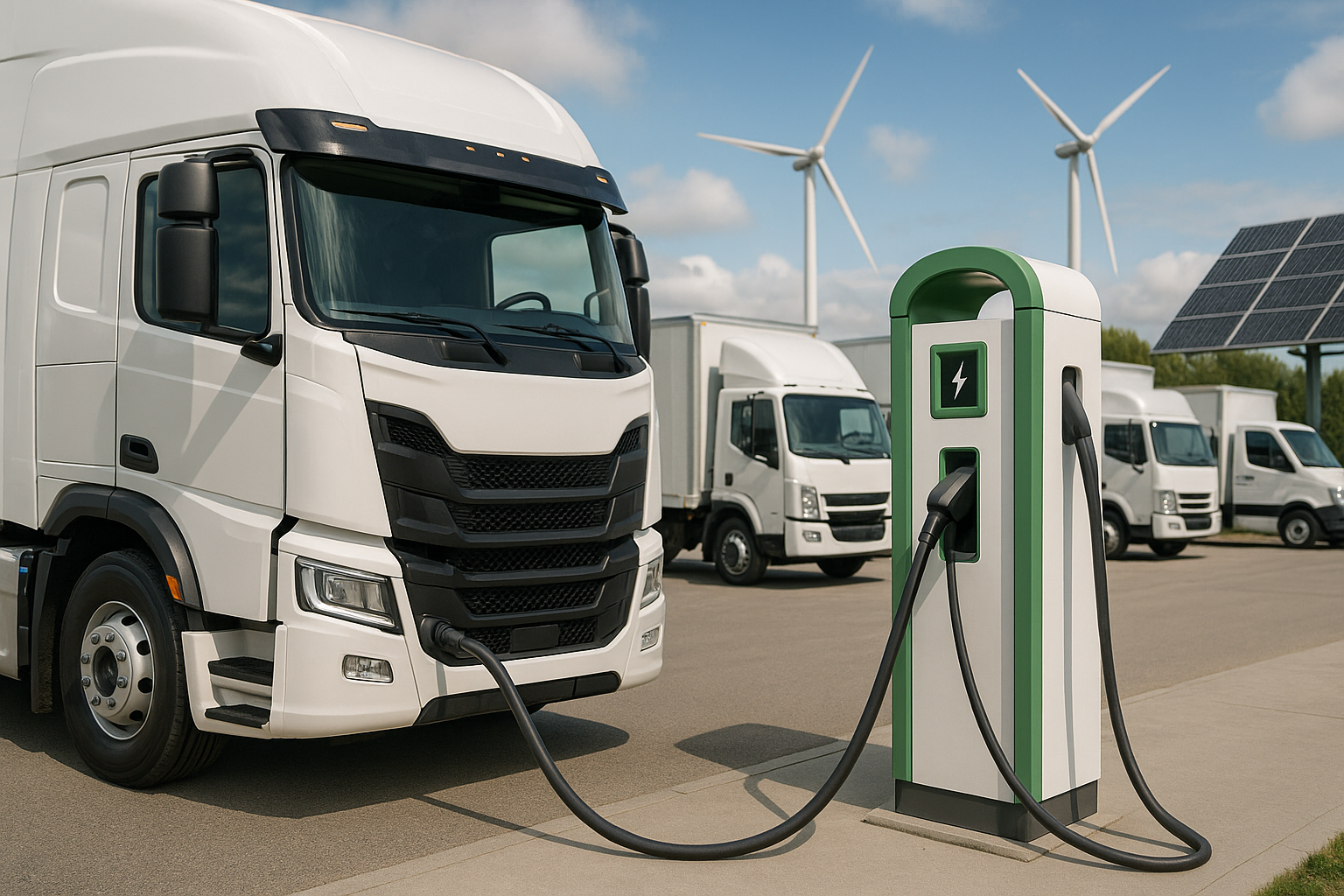
Electric vehicles (EVs) equipped with refrigeration systems are emerging as viable solutions for urban delivery routes and short-haul applications. These vehicles produce zero direct emissions and significantly reduce noise pollution, making them ideal for residential delivery areas with strict environmental regulations.
Battery technology improvements are extending the range of electric refrigerated vehicles, while charging infrastructure expansion is addressing one of the primary adoption barriers. Several logistics companies are piloting electric refrigerated fleets, with promising results in terms of operational costs and environmental performance.
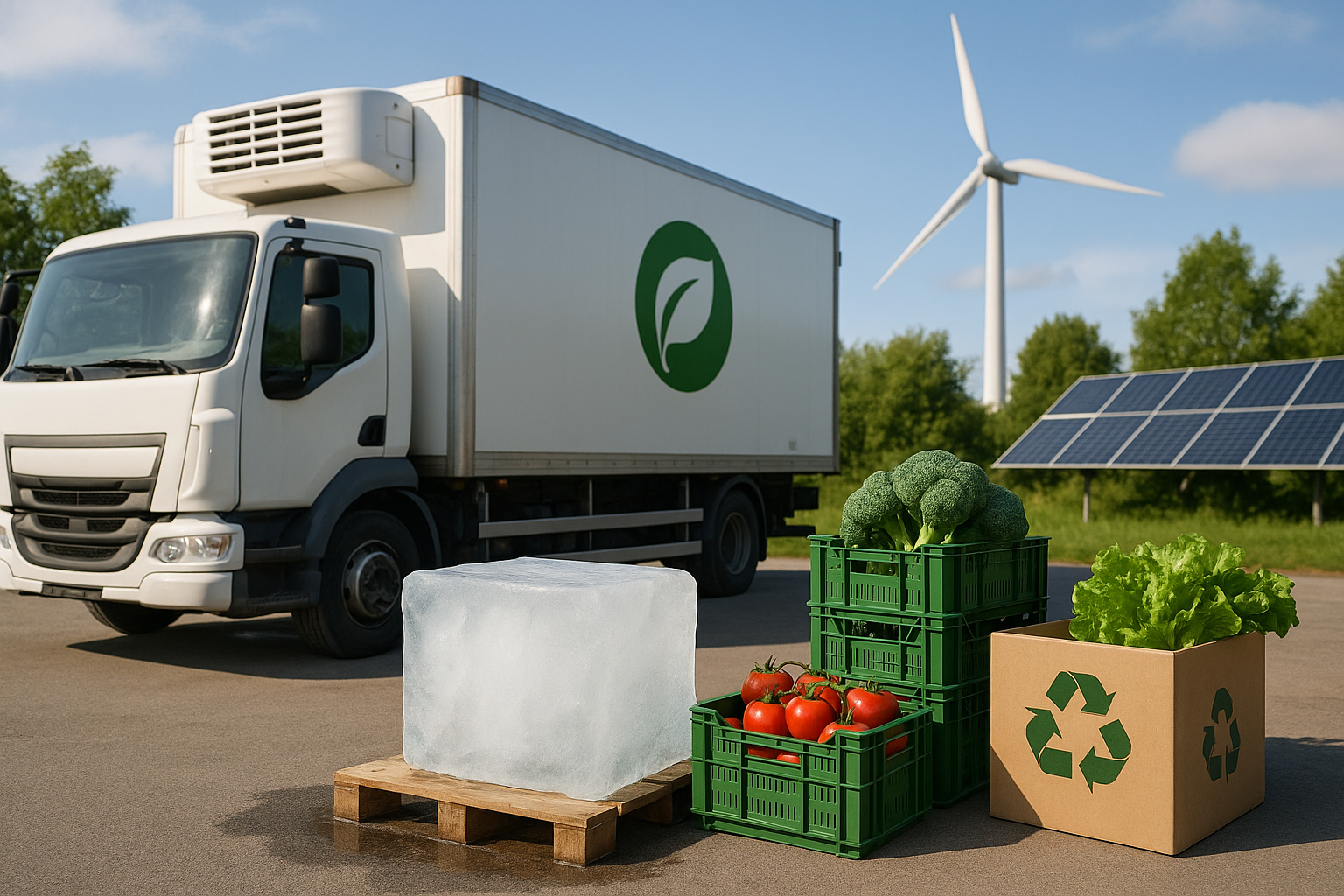
The refrigeration component presents unique challenges for electric vehicles, as cooling systems compete with propulsion for battery power. However, innovative solutions like eutectic plates and advanced insulation materials are minimizing the energy required for temperature maintenance, extending vehicle range and efficiency.
Alternative Fuels and Hybrid Solutions
While full electrification remains the ultimate goal, alternative fuels provide intermediate solutions for long-haul refrigerated transport. Compressed natural gas (CNG), liquefied natural gas (LNG), and hydrogen fuel cells offer cleaner alternatives to diesel with existing infrastructure compatibility.
Hybrid refrigerated vehicles combine traditional engines with electric components, optimizing fuel efficiency and reducing emissions. These systems can power refrigeration units electrically while parked or during low-speed operations, minimizing idling and associated emissions.
📦 Sustainable Packaging Innovations in Cold Chain
Packaging plays a crucial role in cold chain sustainability, balancing thermal protection requirements with environmental responsibility. The industry is witnessing remarkable innovation in materials and designs that reduce waste without compromising product integrity.
Biodegradable and Compostable Insulation Materials
Traditional polystyrene foam is being replaced by eco-friendly alternatives made from mushroom mycelium, recycled paper, wool, and other natural materials. These biodegradable insulators provide comparable thermal performance while eliminating persistent waste.
Mushroom-based packaging, grown from agricultural waste and fungal roots, offers excellent insulation properties and completely decomposes within weeks. Similarly, wool insulation panels provide natural temperature regulation and can be composted or repurposed after use.
Reusable Container Systems
Closed-loop packaging systems are gaining adoption, particularly for regular shipping routes and established supply chains. Durable, reusable containers eliminate single-use packaging waste while often providing superior thermal performance through advanced insulation and phase-change materials.
These systems require initial investment and reverse logistics infrastructure but deliver significant environmental and economic benefits over time. Companies implementing reusable container programs report waste reduction exceeding 95% compared to single-use alternatives.
📱 Smart Technology and Data-Driven Sustainability
Digital transformation is enabling unprecedented visibility and optimization in cold chain operations, translating directly into environmental benefits through efficiency improvements and waste reduction.
IoT Sensors and Real-Time Monitoring
Internet of Things (IoT) sensors provide continuous temperature, humidity, and location tracking throughout the cold chain journey. This real-time visibility enables proactive intervention when conditions deviate from optimal ranges, preventing product spoilage and associated waste.
Advanced monitoring systems use machine learning algorithms to predict equipment failures before they occur, preventing costly breakdowns and product losses. Predictive maintenance reduces energy waste from inefficient equipment while extending asset lifespan.
Route Optimization and AI-Powered Logistics
Artificial intelligence and machine learning optimize delivery routes, consolidate shipments, and reduce empty miles—all contributing to lower fuel consumption and emissions. These systems analyze traffic patterns, weather conditions, and delivery windows to identify the most efficient routing options.
Dynamic route optimization adjusts in real-time to changing conditions, ensuring vehicles take the most efficient paths while maintaining temperature-sensitive cargo integrity. Companies implementing AI-powered logistics report fuel consumption reductions of 15-25% alongside improved delivery performance.
🏢 Building Sustainable Cold Storage Infrastructure
Warehouse and storage facilities represent the foundation of cold chain operations, and their design significantly impacts overall sustainability. Modern cold storage construction emphasizes energy efficiency, renewable energy integration, and environmental responsibility.
Advanced Insulation and Building Design
High-performance insulation materials minimize heat transfer, reducing cooling energy requirements dramatically. Modern cold storage facilities incorporate thick insulation panels, thermal breaks, and air curtains at loading docks to maintain temperature stability.
Strategic building orientation, reflective roofing materials, and LED lighting systems further reduce energy consumption. Some facilities incorporate passive cooling techniques, using earth-sheltered designs or evaporative cooling to supplement mechanical refrigeration.
Energy Recovery and Waste Heat Utilization
Innovative cold storage facilities capture waste heat from refrigeration systems and repurpose it for space heating, water heating, or other facility needs. This energy recovery significantly improves overall system efficiency and reduces total energy consumption.
Some facilities are even integrating with adjacent operations that require heat, creating symbiotic relationships where one facility’s waste heat becomes another’s energy source—a concept known as industrial ecology.
🌱 The Business Case for Sustainable Cold Chain Practices
Beyond environmental benefits, sustainable cold chain logistics delivers compelling economic advantages that strengthen the business case for adoption. Companies embracing green practices are discovering that sustainability and profitability are not mutually exclusive.
Energy efficiency improvements directly reduce operational costs, often providing rapid return on investment. Renewable energy installations shield businesses from energy price volatility while reducing long-term expenses. Sustainable packaging innovations frequently reduce material costs alongside environmental impact.
Consumer preferences increasingly favor environmentally responsible companies, creating brand value and competitive differentiation for businesses demonstrating genuine sustainability commitment. Regulatory compliance becomes proactive rather than reactive, avoiding penalties and positioning companies favorably as standards tighten.
Investor interest in ESG (Environmental, Social, and Governance) performance is rising, with sustainable practices improving access to capital and potentially lowering borrowing costs. Forward-thinking companies view sustainability investments as strategic positioning for long-term success in an increasingly environmentally conscious marketplace.
🔮 Emerging Trends Shaping the Future of Green Cold Chains
The sustainable cold chain revolution continues accelerating, with emerging technologies and approaches promising even greater environmental benefits in coming years. Staying informed about these trends helps businesses prepare for the future landscape.
Cryogenic cooling using liquid nitrogen or CO2 is being explored for transportation applications, offering fossil-fuel-free refrigeration with rapid cooling capabilities. Blockchain technology is enhancing supply chain transparency, enabling verification of sustainable practices and reducing fraud.
Vertical farming and localized production are reducing cold chain distances, minimizing transportation emissions while delivering fresher products. Urban micro-fulfillment centers equipped with efficient cold storage bring products closer to consumers, enabling electric vehicle delivery and reducing last-mile environmental impact.
Carbon offset programs specific to cold chain operations are developing, allowing companies to neutralize remaining emissions through verified environmental projects. While offsets shouldn’t replace direct emission reductions, they provide valuable tools for achieving carbon neutrality goals.
💡 Taking Action: Practical Steps Toward Sustainability
Transitioning to sustainable cold chain practices requires strategic planning and commitment, but the journey can begin with practical, manageable steps that deliver immediate benefits while building toward comprehensive transformation.
Start with comprehensive energy audits to identify inefficiencies and prioritize improvements with the best return on investment. Engage employees at all levels in sustainability initiatives, fostering a culture that values environmental responsibility alongside operational excellence.
Establish partnerships with suppliers and customers who share sustainability values, creating aligned supply chains that amplify collective impact. Invest in staff training on new technologies and sustainable practices, ensuring your team possesses the skills needed for green operations.
Set measurable sustainability goals with clear timelines and accountability structures. Track progress transparently, celebrating successes and learning from setbacks. Communicate your sustainability journey authentically, sharing both achievements and ongoing challenges with stakeholders.
🌟 Embracing the Sustainable Cold Chain Revolution
The transformation toward sustainable cold chain logistics represents both environmental necessity and business opportunity. As technologies mature and best practices emerge, the path to greener operations becomes increasingly clear and economically compelling.
Companies embracing this transition position themselves as industry leaders, capturing competitive advantages while contributing meaningfully to climate change mitigation. The cold chain of tomorrow will be cleaner, smarter, and more efficient—delivering the products society needs while respecting planetary boundaries.
The time for action is now. Whether you’re a logistics provider, retailer, manufacturer, or consumer, you play a role in building sustainable cold chains. Every efficiency improvement, every sustainable choice, and every innovation adopted moves us closer to a future where keeping things cool doesn’t mean heating up the planet.
The sustainable cold chain revolution isn’t just about reducing environmental harm—it’s about reimagining how we preserve and deliver temperature-sensitive products in harmony with natural systems. By chilling out with eco-friendly solutions, we’re not just protecting perishable goods; we’re preserving the environment for generations to come.