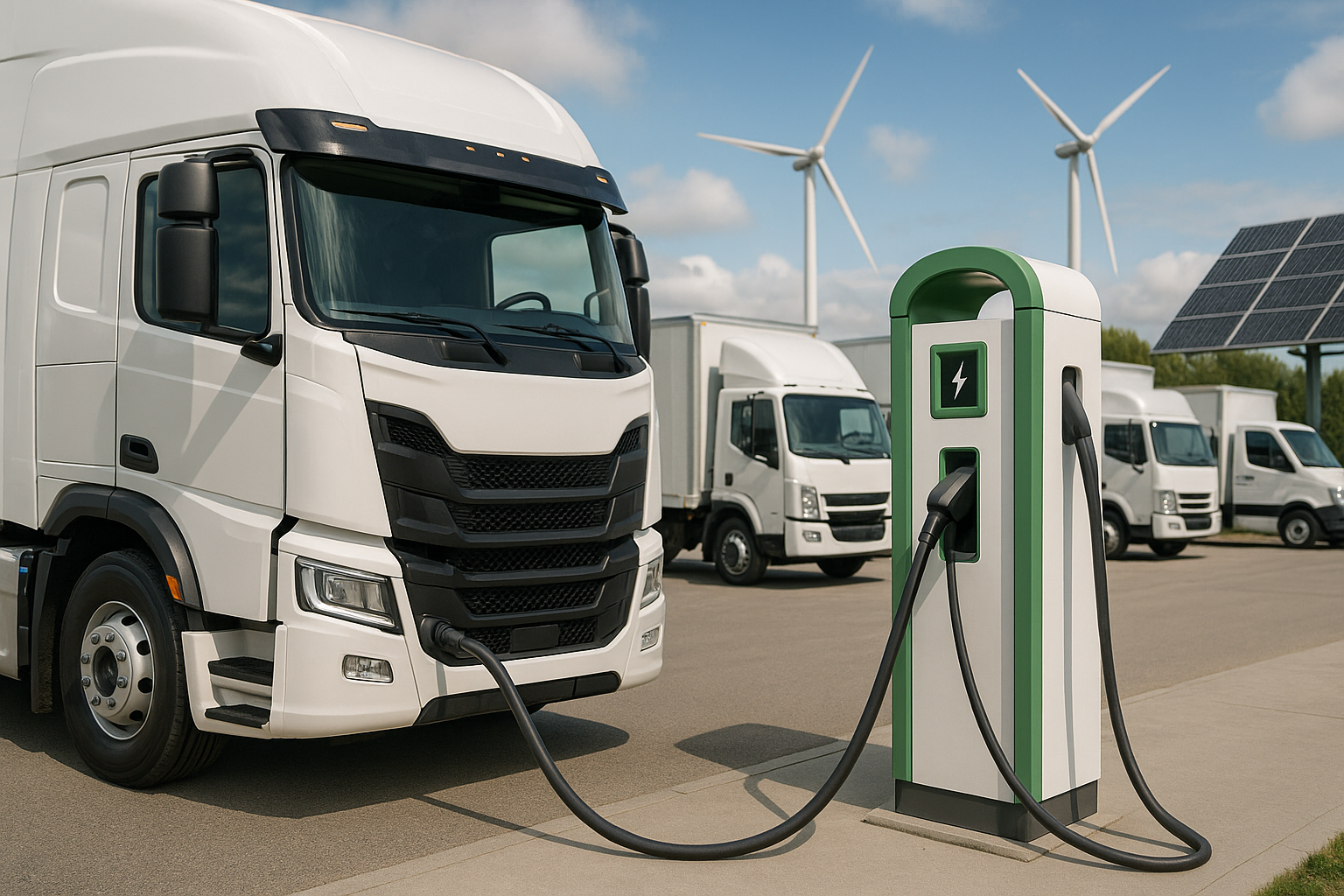
Automation is transforming how businesses manage resources, optimize workflows, and deliver products with unprecedented efficiency in today’s fast-paced distribution landscape.

The convergence of artificial intelligence, robotics, and advanced software systems has created a new paradigm in distribution management. Organizations worldwide are discovering that traditional manual processes can no longer keep pace with consumer expectations for faster delivery, greater accuracy, and environmental responsibility. This transformation isn’t just about replacing human workers with machines—it’s about creating intelligent systems that enhance human decision-making while eliminating waste and redundancy across the entire supply chain.
As e-commerce continues its explosive growth and sustainability becomes a business imperative rather than an option, resource-efficient distribution has emerged as a critical competitive advantage. Companies that successfully integrate automation into their distribution networks are seeing dramatic improvements in operational metrics while simultaneously reducing their environmental footprint. The question is no longer whether to automate, but how to do it strategically to maximize both economic and ecological returns.
🚀 The Evolution of Distribution Automation
Distribution automation has progressed through several distinct phases over the past few decades. Early implementations focused primarily on mechanizing repetitive tasks like conveyor systems and basic sorting equipment. These foundational technologies laid the groundwork for today’s sophisticated systems but operated largely in isolation without intelligent connectivity.
The second wave brought computerized inventory management and warehouse management systems that digitized information flow. This digitalization created visibility into operations that was previously impossible, allowing managers to track products through facilities with unprecedented accuracy. However, these systems still required substantial human intervention for decision-making and coordination.
Today’s third-generation automation represents a fundamental shift. Modern distribution centers leverage interconnected technologies including autonomous mobile robots, machine learning algorithms, Internet of Things sensors, and predictive analytics platforms. These systems don’t just execute commands—they learn, adapt, and optimize themselves continuously based on real-time data and changing conditions.
Key Technologies Driving the Revolution
Several breakthrough technologies are converging to enable resource-efficient automated distribution:
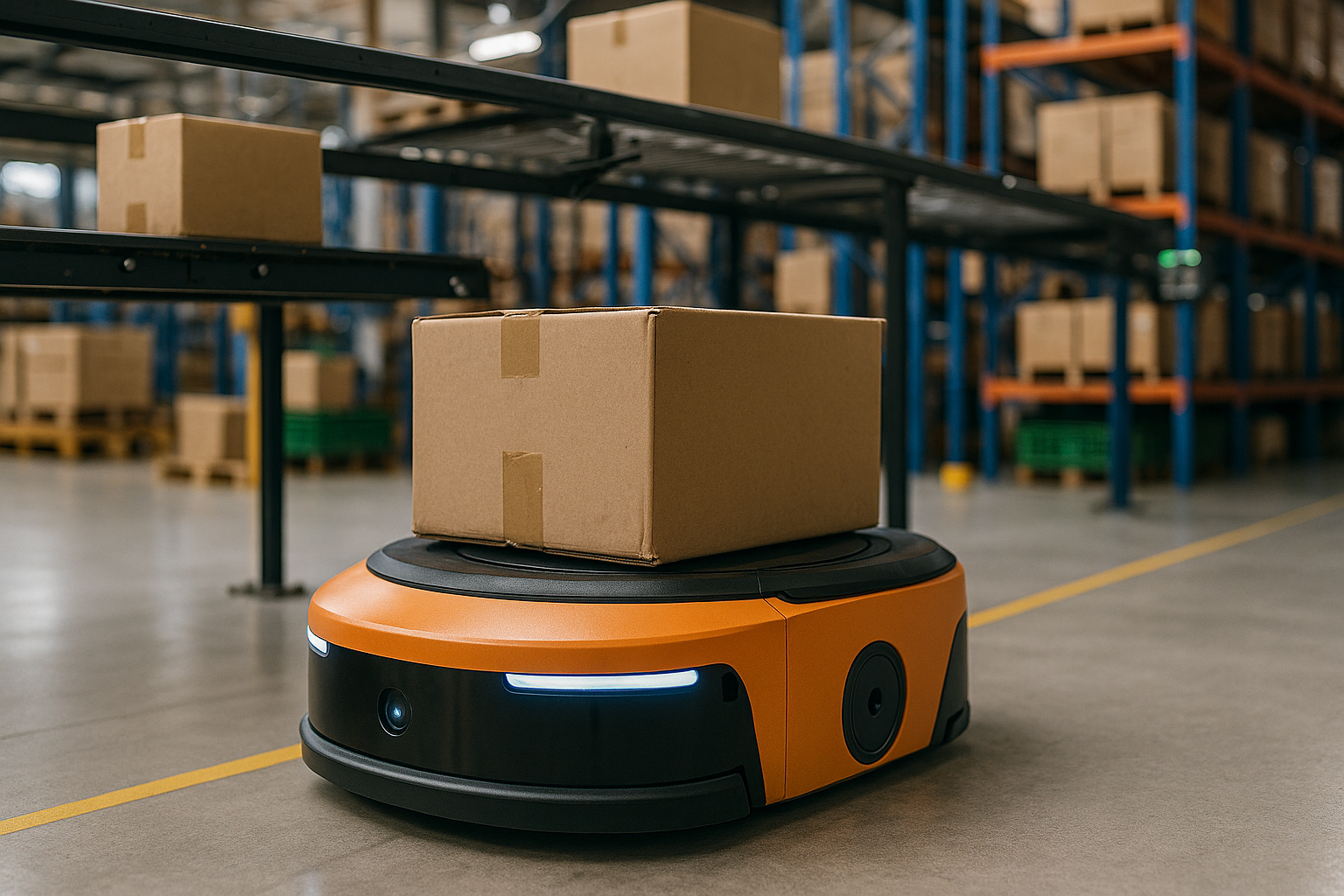
- Autonomous Mobile Robots (AMRs): Unlike their predecessor automated guided vehicles, AMRs navigate dynamically using sensors and mapping technology, adapting routes in real-time to avoid obstacles and optimize paths.
- AI-Powered Predictive Analytics: Machine learning algorithms analyze historical patterns and current trends to forecast demand with remarkable accuracy, enabling proactive resource allocation.
- Computer Vision Systems: Advanced cameras and image recognition software can identify products, detect defects, and guide robotic systems with human-like visual perception.
- Cloud-Based Control Systems: Centralized platforms orchestrate thousands of individual components across multiple facilities, creating synchronized networks rather than isolated warehouses.
- Digital Twin Technology: Virtual replicas of physical distribution centers allow operators to simulate changes and optimize configurations before implementing them in the real world.
💡 Resource Efficiency Through Intelligent Automation
The connection between automation and resource efficiency extends far beyond simple labor savings. Modern automated systems optimize multiple resource categories simultaneously, creating compounding benefits that manual operations cannot match.
Energy Optimization at Scale
Automated distribution centers consume significantly less energy per unit handled compared to traditional facilities. Intelligent lighting systems illuminate only areas where work is occurring, while climate control algorithms maintain optimal temperatures based on real-time occupancy and product requirements rather than overheating or overcooling entire buildings.
Robotic systems operate with precision that eliminates wasted motion. Every movement is calculated for maximum efficiency—robots don’t take shortcuts, forget optimal paths, or make unnecessary trips. This computational efficiency translates directly into reduced energy consumption. Some advanced facilities report energy reductions of 30-40% compared to conventional operations handling equivalent volumes.
Space Utilization Revolution
Automated storage and retrieval systems maximize vertical space in ways impossible for human workers. By eliminating the need for wide aisles that accommodate forklifts and workers, automated facilities can increase storage density by 50% or more within the same footprint. This space efficiency reduces the need for new construction, preserving land resources and avoiding the environmental impact of building expansion.
Dynamic slotting algorithms continuously reorganize inventory placement based on demand patterns, seasonal variations, and product characteristics. Fast-moving items automatically migrate to easily accessible locations, while slower products move to higher or more remote positions. This intelligent organization minimizes travel distance and handling time for the overall product mix.
📊 Measurable Impact on Distribution Performance
The benefits of automation in resource-efficient distribution are not theoretical—they’re delivering quantifiable results across diverse industries and company sizes. Organizations that have implemented comprehensive automation strategies report improvements across virtually every operational metric.
| Performance Metric | Typical Improvement Range | Resource Impact |
|---|---|---|
| Order Accuracy | 99.5% – 99.9% | Reduced returns and waste |
| Processing Speed | 2-5x faster | Lower energy per unit |
| Labor Productivity | 3-4x increase | Optimized human resource allocation |
| Inventory Accuracy | 95%+ to 99%+ | Minimized overstock and obsolescence |
| Space Utilization | 40-60% improvement | Reduced facility footprint needs |
These improvements cascade throughout the organization. Higher accuracy reduces customer service inquiries and return shipments, which consume fuel and packaging materials. Faster processing enables just-in-time fulfillment strategies that minimize inventory carrying costs and product spoilage. Better space utilization delays or eliminates expensive facility expansions.
The Sustainability Dividend
Resource efficiency and environmental sustainability are increasingly inseparable concepts in modern distribution. Automated systems contribute to sustainability goals through multiple mechanisms that extend beyond direct operational improvements.
Packaging optimization algorithms analyze product dimensions and order composition to select appropriately sized containers, eliminating void fill materials and reducing corrugate consumption. Some companies report packaging material reductions exceeding 20% after implementing automated packaging systems that right-size every shipment.
Route optimization software for last-mile delivery considers real-time traffic conditions, vehicle capacity, delivery time windows, and fuel efficiency to create optimal delivery sequences. These intelligent routing systems reduce delivery vehicle miles traveled by 10-25%, directly cutting fuel consumption and emissions while improving delivery speed.
🔄 Adaptive Systems That Learn and Improve
Perhaps the most transformative aspect of modern automation is its capacity for continuous improvement through machine learning. Unlike static systems that perform the same operations indefinitely, intelligent automated distribution networks become more efficient over time as they accumulate operational data and refine their algorithms.
Predictive maintenance systems monitor equipment performance continuously, detecting subtle patterns that indicate impending failures before they occur. This proactive approach prevents unexpected downtime that wastes resources and disrupts operations. Maintenance activities occur during planned windows when they cause minimal disruption, and parts are ordered precisely when needed rather than stockpiled “just in case.”
Dynamic Demand Forecasting
Machine learning models analyze vast datasets including historical sales, seasonal patterns, promotional calendars, weather forecasts, economic indicators, and social media trends to predict future demand with increasing accuracy. These sophisticated forecasts enable distribution networks to position inventory strategically before demand materializes, reducing expedited shipping and emergency replenishment activities that consume excessive resources.
As these systems accumulate more data over months and years of operation, their predictions become progressively more accurate. Some retailers using advanced demand forecasting report forecast accuracy improvements of 15-30% compared to traditional statistical methods, translating directly into optimized inventory levels and reduced waste from overstock situations.
🌐 Integration Across the Supply Chain Ecosystem
The greatest efficiency gains emerge when automation extends beyond individual facilities to encompass entire supply chain networks. Integrated systems create visibility and coordination from manufacturing through final delivery, eliminating the information silos and handoff inefficiencies that plague traditional distribution models.
Application programming interfaces (APIs) and standardized data protocols enable seamless communication between suppliers, manufacturers, distributors, carriers, and retailers. When a customer places an order, automated systems can instantly evaluate multiple fulfillment options—various distribution centers, direct-from-manufacturer shipment, or store fulfillment—selecting the option that optimizes cost, speed, and resource consumption based on current conditions.
Collaborative Logistics Networks
Forward-thinking companies are moving beyond optimizing their individual operations to participating in collaborative logistics networks where multiple organizations share transportation capacity, warehouse space, and distribution infrastructure. Automation makes these complex arrangements manageable by handling the intricate coordination required to share resources while maintaining security and service quality.
Shared transportation networks reduce empty miles when trucks return from deliveries by matching backhaul opportunities across multiple shippers. Automated marketplaces connect available capacity with shipping needs in real-time, turning waste into revenue while reducing overall vehicle miles traveled across the logistics network.
⚙️ Implementation Strategies for Maximum Resource Efficiency
Successfully implementing automation for resource-efficient distribution requires strategic planning that extends beyond simply purchasing technology. Organizations that achieve the best results follow a systematic approach that aligns automation investments with operational requirements and business objectives.
The first critical step involves comprehensive process mapping and analysis. Before automating existing workflows, companies should critically examine whether those processes represent optimal approaches. Automating inefficient processes simply creates faster inefficiency—the goal is to redesign workflows for maximum efficiency before implementing automation to execute those optimized processes.
Phased Implementation Approach
Rather than attempting complete facility transformation simultaneously, successful automation programs typically follow a phased implementation strategy. Initial phases focus on high-impact areas where automation delivers immediate returns and builds organizational confidence. Common starting points include:
- Goods-to-person picking systems that eliminate worker travel time
- Automated sortation systems that accelerate order consolidation
- Inventory management software that provides real-time visibility
- Transportation management systems that optimize carrier selection and routing
As these foundational systems demonstrate value, subsequent phases can introduce more advanced capabilities like autonomous mobile robots, automated storage and retrieval systems, and predictive analytics platforms. This graduated approach manages financial risk, allows workforce adaptation, and enables learning from each implementation phase before proceeding.
👥 The Human Element in Automated Distribution
Contrary to fears that automation eliminates human workers, resource-efficient automated distribution actually creates opportunities for more meaningful and valuable human contributions. Rather than performing repetitive physical tasks, workers in automated facilities focus on exception handling, system optimization, quality assurance, and continuous improvement initiatives.
Job roles evolve from manual labor toward technical operation, with workers managing fleets of robots, monitoring system performance dashboards, and resolving complex situations that automation cannot yet handle independently. These positions typically offer better compensation, safer working conditions, and greater career development opportunities compared to traditional warehouse roles.
Training and change management become critical success factors. Organizations must invest in comprehensive programs that help workers develop the technical skills required in automated environments. Companies that approach this transition thoughtfully—providing retraining opportunities, transparent communication, and career pathways—build engaged workforces that embrace rather than resist automation.
🎯 Measuring Success Beyond Traditional Metrics
Evaluating the performance of automated distribution systems requires expanded metrics that capture resource efficiency and sustainability impacts alongside traditional financial and operational measures. Progressive organizations are developing comprehensive scorecards that provide holistic views of distribution performance.
Environmental metrics increasingly appear alongside operational and financial KPIs in executive dashboards. Carbon emissions per order fulfilled, packaging material consumption per shipment, energy usage per unit handled, and water consumption in facility operations provide visibility into environmental performance that enables targeted improvement initiatives.
Total cost of ownership calculations for automation investments should include resource efficiency benefits that may not appear in simple ROI calculations. Energy savings, reduced waste disposal costs, avoided facility expansion expenses, and improved customer satisfaction from more reliable service all contribute to value that traditional financial analysis might overlook.
🔮 The Future Landscape of Automated Distribution
Emerging technologies promise to push resource-efficient distribution to even greater heights in coming years. Autonomous delivery vehicles—both ground-based robots and aerial drones—will transform last-mile logistics, potentially reducing delivery costs and emissions by 40% or more as they mature and scale.
Artificial intelligence capabilities continue advancing rapidly, with next-generation systems demonstrating increasingly sophisticated decision-making that rivals or exceeds human judgment in specific domains. Generative AI and large language models are beginning to find applications in supply chain planning, creating optimized distribution strategies that balance multiple complex variables simultaneously.
Blockchain technology offers potential to create transparent, immutable records of product movement through supply chains, enabling unprecedented traceability while reducing administrative overhead. Smart contracts could automate compliance verification, payment processing, and quality documentation without human intervention.
The convergence of 5G connectivity, edge computing, and advanced sensors will enable real-time optimization at granular levels currently impossible. Individual packages might route themselves through distribution networks autonomously, making independent decisions about optimal paths based on current conditions and priorities.
🌟 Transforming Distribution for a Sustainable Future
The revolution in resource-efficient distribution through automation represents far more than technological advancement—it embodies a fundamental rethinking of how goods move through society. As environmental pressures intensify and consumer expectations continue rising, the companies that master automated, resource-efficient distribution will secure decisive competitive advantages.
The economic case for automation has become compelling even without considering environmental benefits. When sustainability impacts are included, the business rationale becomes overwhelming. Organizations can simultaneously improve service quality, reduce operating costs, and minimize environmental footprint—a rare alignment where business success and environmental responsibility reinforce rather than conflict with each other.
Implementation challenges certainly exist, from substantial capital requirements to workforce transition management. However, these obstacles are increasingly manageable as automation technologies mature, implementation best practices emerge, and financing options expand. The greater risk lies in delaying action while competitors advance, creating performance gaps that become progressively harder to close.
Resource efficiency through automation isn’t a distant future possibility—it’s the present reality for leading organizations across industries. Distribution networks that seemed impossibly efficient just years ago are now operational benchmarks that others work to match. The trajectory points clearly toward ever-greater automation sophistication and resource optimization as technologies continue advancing and integration deepens.
For business leaders, the strategic imperative is clear: develop and execute comprehensive automation strategies that transform distribution operations from resource-intensive cost centers into efficient competitive differentiators. The companies that move decisively today are building the capabilities that will define industry leadership for decades to come, while simultaneously contributing to the urgent goal of creating more sustainable commerce systems.
The efficiency revolution in distribution is well underway, powered by automation technologies that optimize every dimension of resource utilization. Organizations that embrace this transformation thoughtfully and strategically will find themselves ideally positioned for success in an increasingly competitive, sustainability-focused business environment where operational excellence and environmental responsibility are inseparable requirements for long-term prosperity.