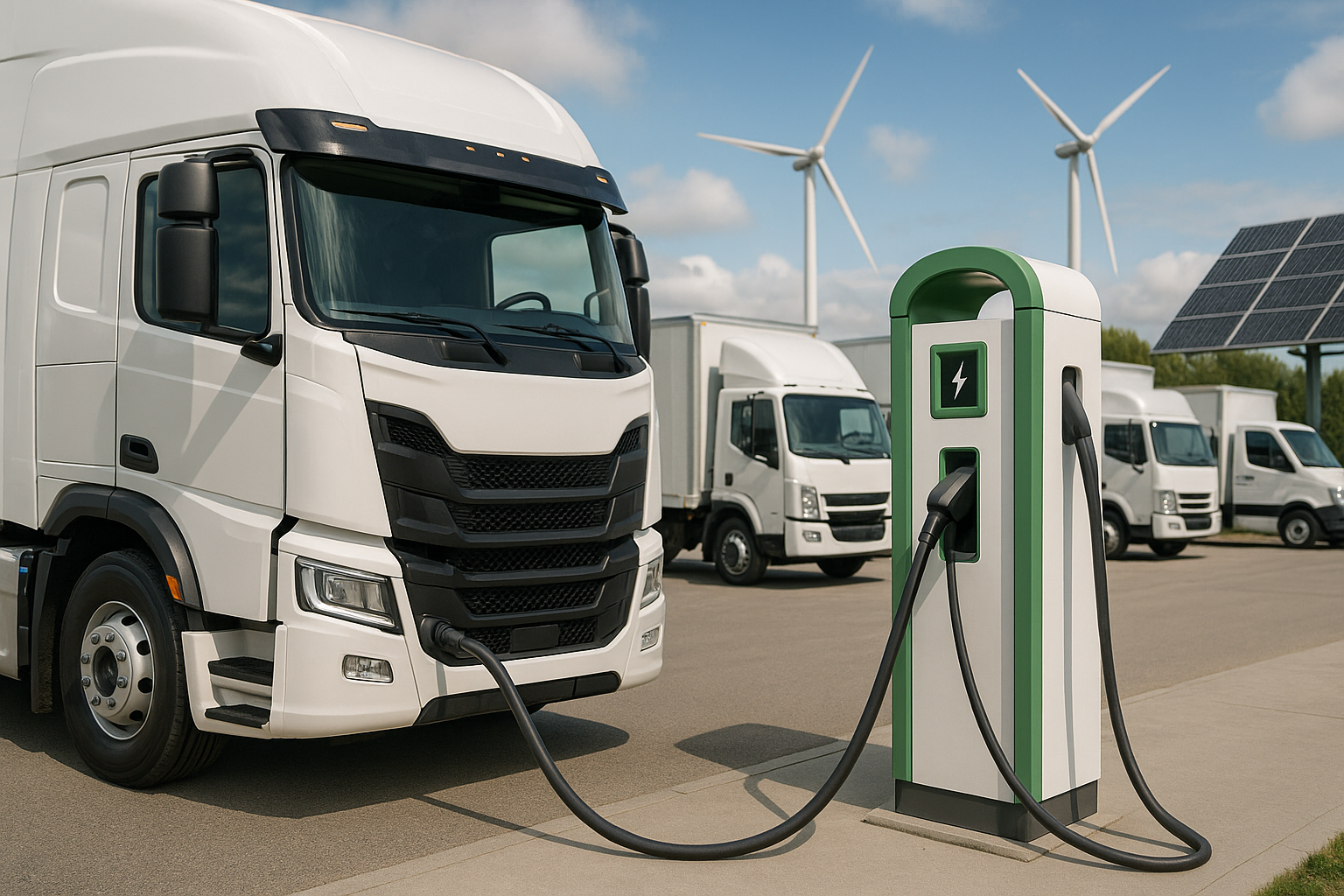
The freight industry stands at a crossroads where environmental responsibility meets operational efficiency, demanding innovative carbon-neutral solutions to secure our planet’s future.

🌍 The Urgent Need for Sustainable Freight Operations
Global supply chains account for approximately 8-10% of worldwide greenhouse gas emissions, with freight transportation serving as one of the primary contributors. As consumer demand intensifies and e-commerce continues its exponential growth, the environmental footprint of logistics operations expands proportionally. The urgency to transform traditional freight methods into sustainable alternatives has never been more critical.
Traditional freight operations rely heavily on fossil fuels, contributing significantly to air pollution, carbon emissions, and climate change. The transportation sector alone generates nearly 29% of total greenhouse gas emissions in developed nations, with heavy-duty trucks and cargo vessels representing substantial portions of this figure. This sobering reality has prompted governments, corporations, and consumers to demand immediate action toward carbon-neutral freight solutions.
Forward-thinking companies recognize that sustainability isn’t merely an ethical obligation—it’s a competitive advantage. Organizations implementing green supply chain initiatives report improved brand reputation, reduced operational costs, enhanced regulatory compliance, and increased customer loyalty. The transition toward carbon-neutral freight represents both an environmental imperative and a strategic business opportunity.
🚛 Understanding Carbon-Neutral Freight: Beyond the Basics
Carbon-neutral freight refers to transportation operations that either produce zero net carbon emissions or offset their emissions through verified environmental projects. This concept extends beyond simple emission reduction, encompassing comprehensive strategies that transform how goods move across global networks.
Achieving carbon neutrality in freight operations involves multiple approaches working synergistically. Companies must first measure their current carbon footprint accurately, identifying emission hotspots throughout their supply chain. Subsequently, they implement reduction strategies through technological innovation, operational optimization, and alternative fuel adoption. Finally, organizations offset remaining unavoidable emissions through certified carbon credit programs or renewable energy investments.
The journey toward carbon-neutral freight isn’t instantaneous—it requires systematic planning, significant investment, and organizational commitment. However, the long-term benefits substantially outweigh initial implementation challenges, positioning early adopters as industry leaders in sustainability.
⚡ Electrification: Powering the Future of Freight Transportation
Electric vehicles represent one of the most promising solutions for reducing carbon emissions in freight operations. Battery electric trucks, delivery vans, and last-mile vehicles are rapidly evolving from experimental prototypes to commercially viable alternatives. Major manufacturers have committed billions to developing electric commercial vehicles with extended ranges, faster charging capabilities, and competitive operational costs.
Electric freight vehicles offer numerous advantages beyond emission reduction. They operate more quietly, reducing noise pollution in urban environments. Maintenance costs decrease substantially due to fewer moving parts and less wear on mechanical systems. Energy costs per mile traveled are typically lower than diesel equivalents, especially when charging during off-peak electricity hours or utilizing renewable energy sources.
Infrastructure development remains a critical challenge for widespread electric freight adoption. Charging networks must expand significantly to support long-haul operations, with strategically positioned high-capacity charging stations along major freight corridors. Governments and private entities are collaborating to accelerate this infrastructure buildout, recognizing its essential role in transportation decarbonization.
Battery Technology Breakthroughs
Recent advances in battery technology are addressing previous limitations that hindered electric freight vehicle adoption. Solid-state batteries promise increased energy density, faster charging times, and improved safety profiles. Lithium-iron-phosphate batteries offer longer lifespans and reduced environmental impact compared to traditional lithium-ion alternatives. These innovations are progressively closing the performance gap between electric and conventional diesel trucks.
🌱 Alternative Fuels: Diversifying the Energy Portfolio
While electrification dominates discussions about sustainable freight, alternative fuels present complementary solutions for specific operational contexts. Biodiesel, renewable diesel, hydrogen fuel cells, and renewable natural gas each offer unique advantages for different freight applications.
Biodiesel derived from agricultural waste, used cooking oil, or dedicated energy crops can significantly reduce lifecycle carbon emissions while functioning in existing diesel engines with minimal modifications. Renewable diesel offers even greater emission reductions and superior performance characteristics, though production capacity remains limited compared to demand.
Hydrogen fuel cells represent particularly promising technology for heavy-duty, long-haul freight applications where battery electric vehicles face range and weight constraints. Hydrogen-powered trucks can refuel quickly and travel extended distances, maintaining operational flexibility similar to conventional diesel vehicles while producing only water vapor as exhaust.
Renewable Natural Gas: A Transitional Solution
Renewable natural gas (RNG) produced from organic waste materials offers immediate emission reduction opportunities using existing natural gas vehicle infrastructure. Many fleet operators have successfully integrated RNG into their operations, achieving substantial carbon footprint reductions while maintaining operational continuity. This fuel source serves as an effective bridge technology during the transition toward fully electric or hydrogen-powered fleets.
📊 Data Analytics and Route Optimization
Technology-driven optimization represents one of the most cost-effective approaches to reducing freight emissions. Advanced analytics platforms leverage artificial intelligence and machine learning to identify efficiency opportunities throughout supply chain operations.
Route optimization software analyzes countless variables—traffic patterns, weather conditions, delivery windows, vehicle capacity, and fuel consumption—to determine the most efficient transportation paths. These systems can reduce total miles traveled by 10-30%, directly translating to proportional emission reductions without requiring vehicle replacements or infrastructure investments.
Real-time tracking and telematics systems provide visibility into driver behavior, vehicle performance, and operational inefficiencies. Fleet managers can identify excessive idling, aggressive acceleration, inefficient routing, and maintenance issues that increase fuel consumption. Addressing these factors through driver training and preventive maintenance delivers immediate environmental and economic benefits.
🚢 Maritime and Aviation Innovations
Ocean freight and air cargo present unique decarbonization challenges due to the vast distances traveled and enormous energy requirements. However, innovative solutions are emerging across both sectors to address their substantial environmental impacts.
Maritime shipping companies are exploring wind-assisted propulsion systems, advanced hull designs, and alternative fuels including ammonia and methanol. Slow steaming practices—reducing vessel speeds to minimize fuel consumption—have proven effective in lowering emissions, though they extend delivery timeframes. Several manufacturers are developing fully electric or hydrogen-powered cargo vessels for shorter maritime routes.
Aviation faces perhaps the most difficult decarbonization challenge within the freight sector. Sustainable aviation fuels (SAF) produced from biomass or synthetic processes offer the most immediate emission reduction pathway. Electric and hydrogen-powered aircraft remain largely experimental for cargo applications, though significant research investments are accelerating their development.
🤝 Collaborative Logistics and Shared Networks
Collaboration among shippers, carriers, and logistics providers unlocks substantial efficiency gains that individual organizations cannot achieve independently. Shared transportation networks reduce empty miles, maximize vehicle utilization, and eliminate redundant shipments.
Freight consolidation programs combine shipments from multiple customers traveling similar routes, filling vehicles to capacity and minimizing total trips required. This approach proves particularly effective in urban last-mile delivery, where numerous carriers often service the same geographic areas with partially filled vehicles.
Digital freight matching platforms connect shippers with available carrier capacity in real-time, reducing empty backhaul trips that waste fuel and generate unnecessary emissions. These platforms function similarly to ride-sharing applications, optimizing the entire transportation network rather than individual fleet operations.
♻️ Circular Economy Principles in Supply Chain Design
Rethinking supply chain architecture through circular economy principles addresses freight emissions at their source by reducing the need for transportation altogether. Local sourcing strategies, regional distribution centers, and reverse logistics programs minimize transportation distances and frequency.
Product design decisions significantly impact transportation requirements throughout the supply chain. Lightweight packaging, modular designs enabling efficient stacking, and concentrated formulations all reduce shipping volumes and weights. These seemingly small modifications accumulate into substantial emission reductions across millions of shipments.
Reverse logistics systems for product returns, repairs, and recycling create additional transportation demands but contribute to overall sustainability when properly optimized. Integrated forward and reverse logistics networks maximize vehicle utilization in both directions, transforming potential waste into resource recovery opportunities.
💼 Corporate Sustainability Commitments and Accountability
Leading corporations are establishing ambitious carbon-neutral freight targets as part of broader environmental, social, and governance (ESG) commitments. These public pledges create accountability mechanisms and drive organizational change across supply chain operations.
Science-based targets aligned with climate research recommendations provide credible frameworks for emission reduction goals. Companies adopting these standards demonstrate genuine commitment beyond greenwashing, implementing measurable actions with transparent progress reporting.
Supply chain sustainability increasingly influences purchasing decisions and partnership selections. Major retailers and manufacturers are requiring suppliers to demonstrate environmental responsibility, creating cascading effects throughout entire supply networks. This market pressure accelerates adoption of carbon-neutral freight solutions across industries.
🏛️ Policy Frameworks and Regulatory Incentives
Government policies play crucial roles in accelerating the transition toward carbon-neutral freight through regulatory requirements, financial incentives, and infrastructure investments. Carbon pricing mechanisms, low-emission zones, and fuel economy standards create economic drivers favoring sustainable transportation choices.
Tax credits, grants, and subsidies offset the higher upfront costs associated with electric vehicles, alternative fuel infrastructure, and efficiency technologies. These financial supports help level the economic playing field during the transitional period before green technologies achieve cost parity with conventional alternatives.
International agreements and cross-border standards facilitate global supply chain decarbonization by creating consistent regulatory environments. Harmonized emission reporting methodologies, vehicle standards, and carbon accounting practices enable multinational corporations to implement cohesive sustainability strategies across diverse jurisdictions.
📈 Measuring Impact: Metrics and Verification
Accurate measurement and verification of emission reductions ensure accountability and enable continuous improvement in carbon-neutral freight initiatives. Standardized calculation methodologies account for direct vehicle emissions, indirect energy production emissions, and lifecycle impacts of vehicles and infrastructure.
Third-party certification programs provide independent verification of carbon-neutral claims, preventing greenwashing and building stakeholder confidence. Recognized standards include the Greenhouse Gas Protocol, ISO 14064, and various industry-specific frameworks tailored to transportation sector characteristics.
Transparent reporting through sustainability disclosures, carbon disclosure projects, and public commitments demonstrates corporate responsibility and enables stakeholders to assess progress objectively. Leading organizations publish detailed emission inventories, reduction strategies, and year-over-year performance comparisons.
🔮 Emerging Technologies and Future Horizons
Innovation continues accelerating across the sustainable freight landscape, with emerging technologies promising even greater emission reductions. Autonomous vehicles optimized for efficiency rather than passenger comfort could reduce energy consumption through perfect route adherence and coordinated platooning. Hyperloop and other novel transportation concepts may revolutionize certain freight corridors with minimal environmental impact.
Artificial intelligence advances will enable increasingly sophisticated optimization across entire supply chain networks, identifying efficiency opportunities invisible to human analysts. Blockchain technology may enhance supply chain transparency and carbon credit verification, creating trusted systems for environmental accountability.
Material science breakthroughs in lightweight composites, advanced aerodynamics, and energy storage will continue improving vehicle efficiency across all power sources. These incremental improvements accumulate into transformative impacts when deployed across global freight fleets.
🌟 Building Momentum Toward Transformation
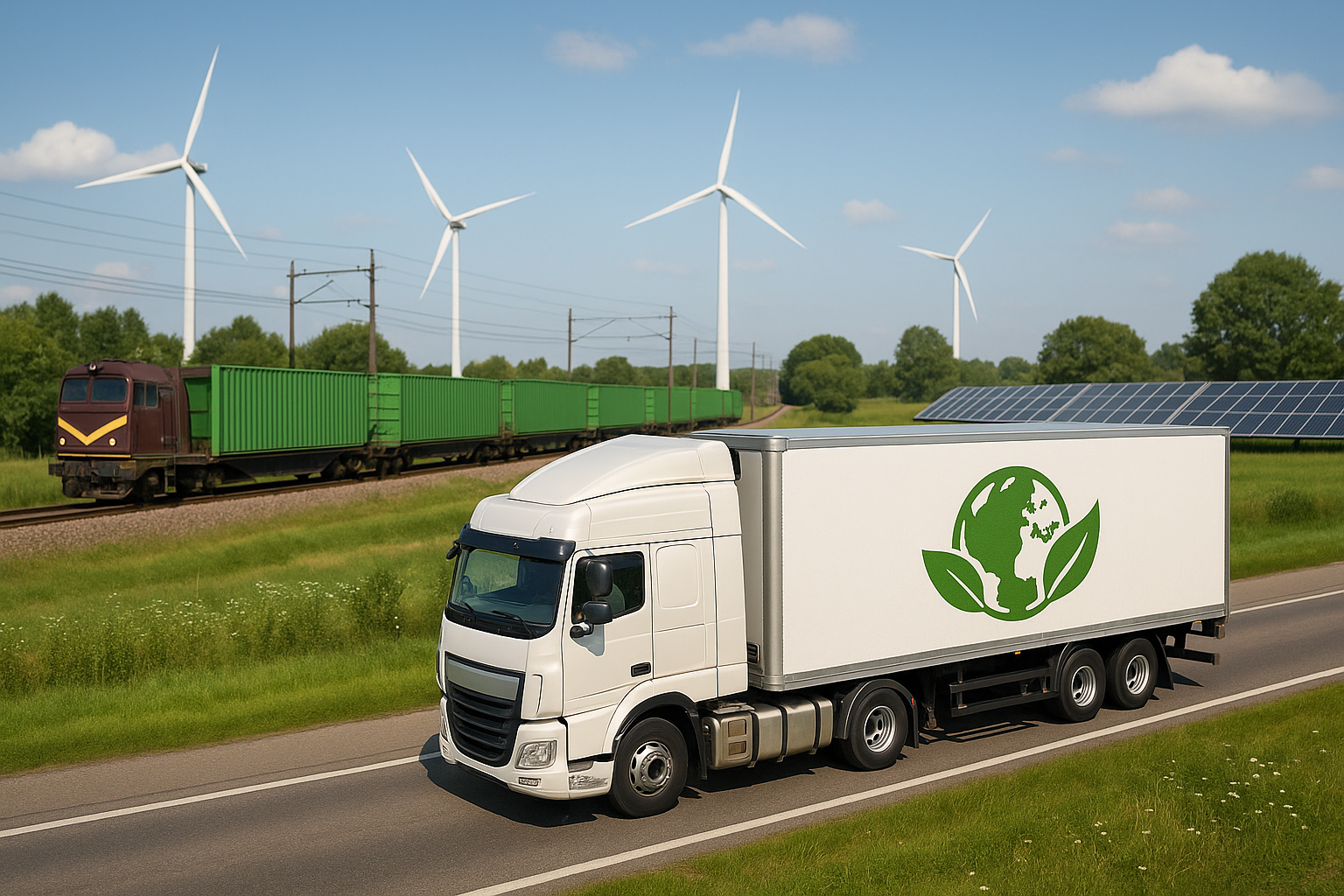
The transition toward carbon-neutral freight represents one of the defining challenges and opportunities of our generation. Success requires coordinated action across technology providers, logistics operators, shippers, policymakers, and consumers. Early movers establishing sustainable freight capabilities position themselves advantageously as environmental regulations tighten and stakeholder expectations evolve.
Investment in green freight solutions delivers returns extending beyond emission reductions. Operational efficiency gains, cost savings from reduced fuel consumption, enhanced brand value, improved employee morale, and increased resilience against energy price volatility all contribute to compelling business cases for sustainability.
The path forward demands persistent commitment despite inevitable obstacles and setbacks. Infrastructure gaps, technology limitations, and economic barriers will slow progress in certain areas while other solutions advance rapidly. Organizations embracing experimentation, learning from failures, and adapting strategies position themselves to thrive in the emerging carbon-neutral freight economy.
Every shipment represents an opportunity to choose sustainability over convenience, efficiency over expediency, and long-term thinking over short-term optimization. Collectively, these individual decisions reshape global supply chains into forces for environmental restoration rather than degradation. The freight industry’s transformation toward carbon neutrality isn’t merely possible—it’s already underway, gaining momentum with each innovative solution implemented and every organization committing to sustainable operations.
As technology advances, costs decline, and awareness grows, carbon-neutral freight transitions from competitive advantage to operational necessity. Organizations beginning their sustainability journeys today will lead tomorrow’s logistics landscape, while those delaying action face increasing disadvantages in a rapidly evolving marketplace where environmental responsibility has become non-negotiable.